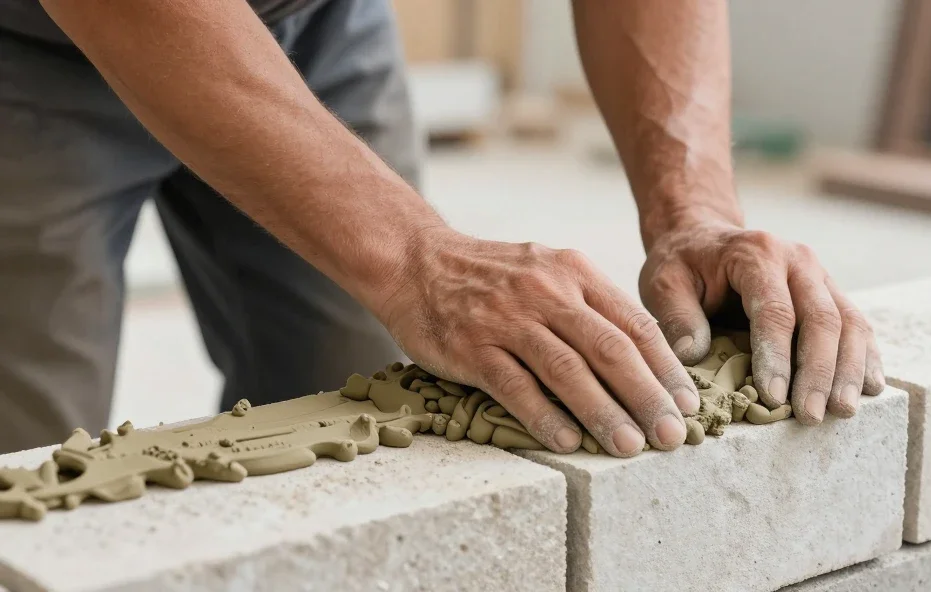

Foundation inspection is a critical responsibility in construction and property maintenance. Contractors use structured evaluation methods to detect early signs of structural weakness and prevent costly damage. Regular inspections help identify cracks, soil movement, and drainage issues that can affect the stability of a building. Many professionals rely on masonry contractors in New Jersey to assess foundation conditions accurately. A consistent inspection schedule ensures long-term safety, reduces repair expenses, and supports strong structural performance in both residential and commercial properties.
Importance of Foundation Inspections
Foundation systems support the entire structure, making them one of the most important components of any building. Even minor damage can spread over time and affect walls, flooring, and roofing systems. Contractors inspect foundations to detect early signs of deterioration such as cracking, settlement, or moisture intrusion. These evaluations help prevent structural instability and reduce long-term repair costs. Regular inspections also ensure that buildings remain safe for occupants while maintaining compliance with construction standards and safety requirements.
Early Warning Signs Contractors Monitor
Contractors look for visible and hidden indicators of foundation issues during inspections. Common warning signs include vertical or horizontal cracks in walls, uneven flooring, and gaps around doors or windows. Water pooling near the foundation often indicates drainage problems that may weaken the soil. Basement wall bending, sinking slabs, and damp crawl spaces are also strong indicators of structural movement. These signs develop gradually, making routine inspections essential for early detection and timely repair planning.
Recommended Inspection Frequency
Inspection frequency depends on several factors including building age, soil conditions, and environmental exposure. Most contractors recommend annual foundation inspections for stable properties. New constructions often require more frequent checks during the first three to five years due to natural settling. Older structures may also require semi-annual inspections depending on wear and environmental impact. Properties exposed to flooding, freeze-thaw cycles, or unstable soil conditions may need quarterly evaluations to maintain structural safety and prevent long-term damage.
Seasonal Foundation Inspection Approach
Seasonal changes significantly impact foundation stability, requiring contractors to adjust inspection timing throughout the year.
Spring inspections focus on damage caused by winter frost and excess moisture from snowmelt. Summer evaluations address soil shrinkage and slab movement caused by dry conditions. Fall inspections prepare properties for cold weather by checking drainage systems and grading. Winter inspections focus on internal warning signs such as wall cracks, floor movement, and moisture intrusion caused by frozen soil or blocked drainage systems around the structure.
Factors That Affect Inspection Schedules
Several environmental and structural conditions influence how often contractors inspect foundations. Soil type plays a major role, especially clay soil, which expands and contracts with moisture changes. Sandy soil can also shift during heavy rainfall or poor drainage conditions. Tree roots near foundations absorb moisture and contribute to uneven settling. Poor grading and plumbing leaks increase water exposure around the structure. Buildings with previous foundation repairs require ongoing monitoring to ensure stability and prevent recurring issues over time.
Role of Drainage Systems in Inspections
Drainage systems directly affect foundation performance and longevity. Contractors evaluate gutters, downspouts, sump pumps, and grading to ensure water is properly directed away from the structure. Poor drainage leads to water accumulation around foundation walls, increasing hydrostatic pressure and soil erosion. Over time, this pressure can cause cracks and structural weakening. Proper water management reduces moisture buildup and prevents basement leaks. Regular inspection of drainage systems ensures long-term foundation protection and structural stability.
Step-by-Step Foundation Inspection Process
Contractors follow a structured inspection process to ensure accurate evaluation. The process begins with a visual assessment of interior and exterior foundation surfaces. Cracks, moisture stains, and uneven surfaces are documented. Next, contractors measure floor levels and check wall alignment for structural movement. Drainage systems are reviewed to ensure proper water flow away from the foundation. Soil conditions around the structure are then inspected for erosion or shifting. Finally, findings are recorded, and repair recommendations are prepared based on severity.
Benefits of Regular Foundation Inspections
Routine inspections provide long-term benefits for property owners and contractors. Early detection of structural issues allows for cost-effective repairs before damage spreads. Regular evaluations improve planning for remodeling or construction projects by ensuring a stable foundation. Property value remains higher when structural integrity is well maintained. Insurance complications related to foundation damage are also reduced through consistent maintenance. Overall, inspections support safer buildings, lower repair costs, and improved long-term structural performance for all types of properties.
Situations That Require Immediate Inspection
Certain conditions require urgent foundation inspection regardless of scheduled evaluations. Sudden large cracks in walls or floors often indicate active structural movement. Sloping floors, sticking doors, and severe basement leaks suggest foundation instability. Natural disasters such as earthquakes, floods, or heavy storms can weaken structural integrity. Nearby excavation work may also impact soil stability around the foundation. Immediate inspection allows contractors to assess damage quickly and prevent further deterioration or safety risks.
Drainage Maintenance and Foundation Protection
Proper drainage maintenance plays a major role in protecting foundations from long-term damage. Contractors ensure that gutters and downspouts direct water away from the building. Grading around the structure is checked to prevent water pooling near foundation walls. Sump pumps are inspected to confirm proper operation during heavy rainfall. Poor drainage increases soil moisture, leading to expansion and pressure against the foundation. Effective drainage systems reduce erosion risks and help maintain long-term structural stability.
Long-Term Value of Inspection Schedules
A consistent inspection schedule ensures long-term structural safety and financial protection. Contractors can identify minor issues before they develop into major repair projects. This approach reduces unexpected construction delays and improves project efficiency. Property owners benefit from increased building lifespan and reduced maintenance costs. Regular inspections also improve resale value by ensuring the foundation remains stable and well-maintained. A proactive inspection strategy supports stronger, safer, and more reliable structures over time.
Conclusion
Foundation inspections are essential for maintaining building safety and structural strength. Contractors rely on scheduled evaluations to detect early warning signs, monitor drainage performance, and assess soil conditions. Inspection frequency depends on environmental exposure, building age, and soil type. Seasonal changes also influence inspection timing and urgency. Regular monitoring ensures long-term durability, reduces repair costs, and supports safe construction practices. A structured inspection approach remains one of the most effective ways to protect any residential or commercial property.