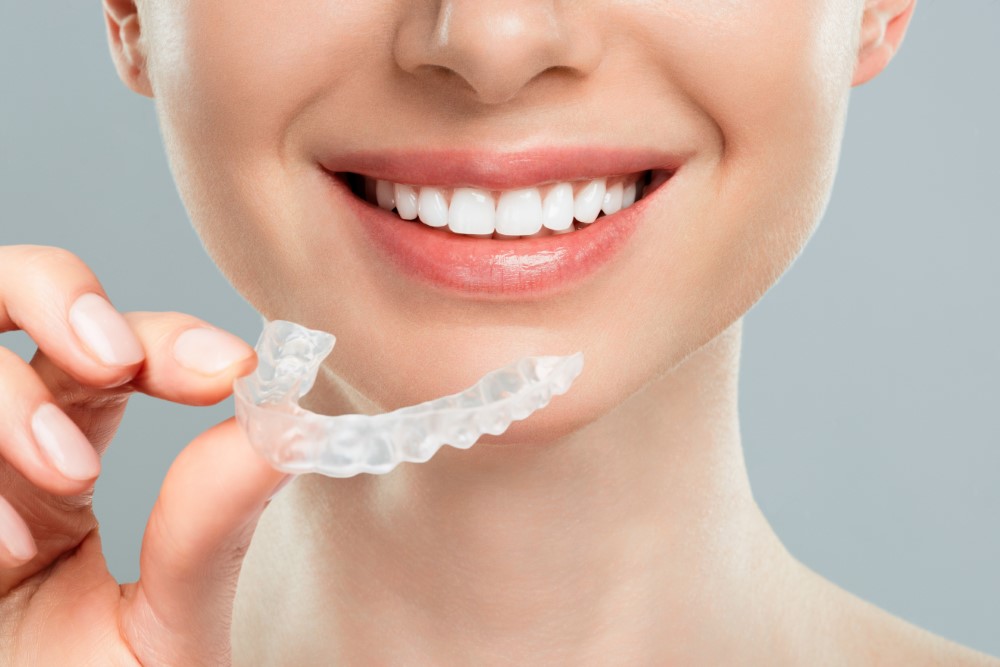

Straightening teeth has become far more comfortable and discreet in recent years, thanks to modern orthodontic solutions like clear aligners. Among these, Invisalign has gained massive popularity for its near-invisible appearance and convenience. One of the most common questions patients ask is: how long does Invisalign Dubai take to straighten teeth?
The answer is not the same for everyone. Treatment duration depends on several personal factors such as the complexity of misalignment, patient discipline, and overall oral health. In this blog, we will explore the timeline of Invisalign treatment in detail, what influences it, and what patients can expect throughout their journey.
What Is Invisalign and How Does It Work?
Invisalign Dubai refers to a modern orthodontic treatment that uses a series of custom-made, clear plastic aligners to gradually shift teeth into their ideal position. Unlike traditional metal braces, Invisalign aligners are removable and almost invisible, making them a preferred option for both adults and teens.
Each set of aligners is typically worn for 1–2 weeks before being replaced with the next set in the series. These aligners apply controlled pressure on specific teeth, slowly guiding them into alignment based on a digital treatment plan created by your dentist or orthodontist.
The process usually begins with a 3D scan of your teeth, followed by a computerized simulation showing how your smile will change over time.
Average Treatment Time for Invisalign Dubai
On average, Invisalign treatment takes:
- 6 months to 18 months for most mild to moderate cases
- 18 months to 24 months or more for complex alignment issues
However, some minor spacing or crowding cases may be corrected in as little as 3–6 months.
It is important to understand that there is no fixed timeline. Each smile is unique, and treatment duration depends on how much movement your teeth require.
Clinics like Cornerstone Dubai use advanced digital scanning and treatment planning to estimate a more precise duration before starting treatment.
Key Factors That Affect Invisalign Treatment Duration
Several factors determine how long Invisalign takes to straighten teeth. Understanding these can help set realistic expectations.
1. Severity of Dental Misalignment
The complexity of your case is the biggest factor.
- Mild spacing or crowding: faster results (3–9 months)
- Moderate misalignment: average duration (9–18 months)
- Severe bite issues or rotations: longer treatment (18–24+ months)
The more adjustment your teeth need, the more aligner stages are required.
2. Patient Compliance
Invisalign only works effectively when aligners are worn consistently.
Patients are advised to wear aligners:
- 20 to 22 hours per day
- Removing them only for eating, drinking (except water), and oral hygiene
Not following this rule can significantly delay progress.
3. Age of the Patient
While Invisalign works for both teens and adults, younger patients often experience slightly faster movement due to more responsive bone structure. However, adults can still achieve excellent results with proper adherence.
4. Type of Bite Issue
Different orthodontic problems require different treatment times:
- Overbite
- Underbite
- Crossbite
- Open bite
Bite correction cases usually take longer than simple alignment adjustments.
5. Attachments and Refinements
Some patients may require small tooth-colored attachments to help aligners grip teeth more effectively. Additionally, “refinement stages” (extra aligners after the initial set) may be needed to perfect the final result, extending treatment time slightly.
Stages of Invisalign Treatment
Understanding the treatment journey helps clarify why the process takes time.
Initial Consultation
Your dentist evaluates your teeth and determines whether Invisalign is suitable. Digital scans and X-rays are taken to create a treatment plan.
Custom Treatment Plan
A 3D simulation shows how your teeth will move week by week. This stage also provides an estimated timeline.
Wearing Aligners
You begin wearing your aligners in sequence. Each set gradually moves your teeth closer to their ideal position.
Progress Checkups
Regular visits every 6–8 weeks ensure everything is progressing as planned. Adjustments may be made if necessary.
Refinement Phase
If minor corrections are still needed, additional aligners may be provided to fine-tune results.
Retainers
Once treatment is complete, retainers are used to maintain your new smile and prevent teeth from shifting back.
Can Invisalign Work Faster?
In some cases, Invisalign treatment can be accelerated. However, this depends on clinical suitability. Some methods include:
- Using “express” treatment plans for minor cases
- Wearing aligners strictly for 22 hours daily
- Maintaining excellent oral hygiene to avoid delays
- Following instructions from your orthodontist carefully
Clinics such as Cornerstone Dubai often provide optimized treatment plans using advanced digital orthodontic planning systems, which may help reduce unnecessary delays.
Invisalign vs Traditional Braces: Time Comparison
Many patients wonder if Invisalign is faster than braces.
- Mild cases: Invisalign is often faster or equal
- Moderate cases: Similar duration
- Severe cases: Braces may sometimes be slightly more efficient
However, Invisalign offers benefits such as comfort, removability, and better aesthetics, making it a preferred choice for many adults in Dubai.
What Happens After Invisalign Treatment?
After completing treatment, teeth naturally try to shift back to their original position. That’s why retainers are essential.
Most patients are advised to:
- Wear retainers full-time initially
- Switch to nighttime wear later
- Maintain regular dental checkups
This ensures long-lasting results and protects your investment in your smile.
Benefits of Invisalign Dubai Treatment
Choosing Invisalign Dubai comes with several advantages:
- Nearly invisible appearance
- Comfortable and smooth aligners
- No food restrictions
- Easier oral hygiene compared to braces
- Predictable digital treatment planning
- Fewer dental visits required
These benefits make Invisalign one of the most popular orthodontic solutions worldwide.
Common Mistakes That Delay Invisalign Results
Even though Invisalign is highly effective, certain mistakes can extend treatment time:
- Not wearing aligners for recommended hours
- Frequently removing aligners for long periods
- Skipping follow-up appointments
- Poor oral hygiene leading to dental issues
- Not switching aligners on schedule
Avoiding these mistakes ensures smoother and faster progress.
Conclusion
The time required for Invisalign treatment varies depending on individual dental conditions, but most patients can expect results within 6 to 18 months. Complex cases may take longer, while minor corrections can be completed in just a few months.
The key to successful and timely results lies in proper usage, discipline, and expert guidance. With advanced orthodontic care and personalized treatment planning available at clinics like Cornerstone Dubai, patients can achieve a straighter, healthier smile with predictable outcomes.
Invisalign is not just about speed—it is about achieving long-lasting, well-aligned teeth in a comfortable and discreet way.
FAQs
How long does Invisalign Dubai usually take?
Most Invisalign treatments take between 6 and 18 months, depending on the complexity of the case.
Can Invisalign work in 3 months?
Yes, but only for very minor alignment issues or spacing problems.
Is Invisalign faster than braces?
In mild cases, Invisalign can be faster. In complex cases, both treatments may take a similar amount of time.
What happens if I don’t wear Invisalign aligners properly?
Not wearing aligners for 20–22 hours daily can delay treatment and affect final results.
Do I need retainers after Invisalign?
Yes, retainers are essential to maintain results and prevent teeth from shifting back.
Does age affect Invisalign treatment time?
Yes, younger patients may experience slightly faster movement, but adults can still achieve excellent results.
Can Invisalign fix all dental issues?
Invisalign can treat most mild to moderate alignment and bite issues, but severe cases may require alternative orthodontic treatments.