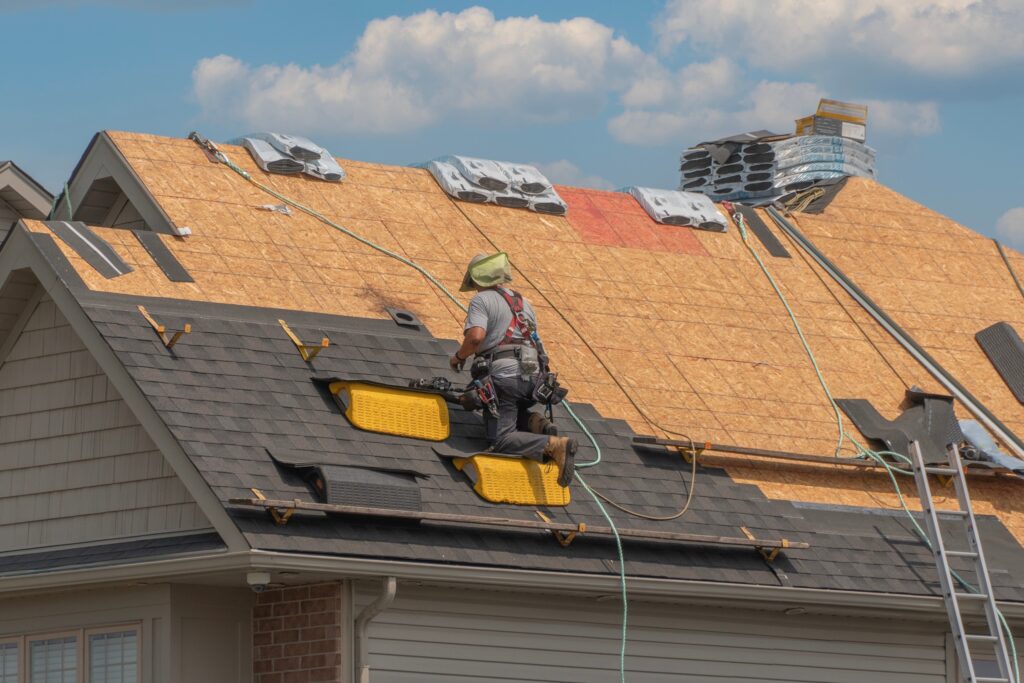

Weather plays a major role in determining how long a roof can protect a home. Constant exposure to sunlight, rain, wind, snow, and changing temperatures slowly weakens roofing materials over time. Property owners who understand these effects can take preventive steps that reduce repair costs and extend roof life. Choosing a Replacement roofing service at the right time also helps prevent structural damage and keeps the property safe for many years.
How Different Weather Conditions Affect Roofing
Every type of weather places stress on roofing materials in different ways. Strong sunlight gradually dries and weakens shingles, causing cracks and fading. Heavy rain can find small openings and create moisture problems beneath the surface. High winds may loosen shingles or lift flashing around roof edges. Snow and ice increase roof weight and allow water to seep into tiny gaps during repeated freezing and thawing cycles. Over time, these conditions reduce durability and shorten the overall lifespan of any roofing system.
Why Roofing Materials Respond Differently to Weather
Roofing materials are designed with varying levels of durability, making some better suited for certain climates than others. Asphalt shingles can soften during extreme heat and become brittle in freezing temperatures. Metal roofs handle harsh weather well but may expand and contract as temperatures change. Clay and concrete tiles resist heat effectively but can crack from impact. Wood shingles require regular maintenance because moisture encourages decay. Understanding these differences helps homeowners choose materials that match local weather conditions and reduce long-term maintenance needs.
Signs That Weather Is Shortening Roof Life
Weather-related damage often develops slowly, making routine inspections valuable for early detection. Missing shingles, cracked flashing, sagging roof sections, and dark water stains inside the home usually indicate underlying problems. Granules collecting in gutters may signal aging asphalt shingles, while mold or moss growth suggests excessive moisture retention. Small issues can quickly become expensive repairs if ignored. Regular inspections following severe storms help identify hidden damage before leaks spread and affect insulation, ceilings, or structural components throughout the property.
Steps to Reduce Weather-Related Roof Damage
Proper maintenance significantly reduces the impact of changing weather on roofing systems. Property owners can follow several practical steps to improve roof performance and extend service life. Simple preventive measures often cost far less than emergency repairs caused by neglected damage. Consistent attention also helps roofing materials perform as intended throughout changing seasons. Professional inspections combined with routine maintenance provide an effective approach to preventing unexpected roofing failures that result from long-term exposure to harsh environmental conditions.
Why Regular Roof Inspections Matter
Professional roof inspections provide valuable information about the condition of roofing materials before visible damage appears. Inspectors identify worn flashing, loose shingles, blocked drainage systems, and early signs of moisture intrusion that homeowners may overlook. Scheduled inspections following major storms allow repairs to be completed before small defects become significant structural problems. Consistent evaluations also help homeowners plan maintenance budgets more effectively. Maintaining accurate inspection records can support warranty claims and demonstrate responsible property care during future home sales.
Practical Roof Maintenance Tips
Regular maintenance helps roofs withstand changing weather and reduces the likelihood of expensive repairs. Simple preventive actions completed throughout the year improve drainage, reduce moisture buildup, and identify damage early. Consider these maintenance practices:
- Clean gutters and downspouts regularly.
- Remove branches resting on the roof.
- Replace damaged shingles promptly.
- Check flashing around chimneys and vents.
- Schedule professional roof inspections annually.
- Remove moss and algae using approved cleaning methods.
- Ensure attic ventilation remains unobstructed.
Following these steps supports long-term roof performance and lowers maintenance costs.
Planning for Long-Term Roof Protection
Long-term roof protection requires consistent attention rather than waiting for major problems to appear. Selecting materials suited to local weather conditions, maintaining proper ventilation, and repairing damage quickly all contribute to longer roof life. Professional inspections provide reliable guidance about repair priorities and future replacement planning. Property owners who invest in preventive care often avoid emergency expenses and preserve property value for many years. Careful planning also creates greater confidence that the roof will continue protecting the home through every season.
Conclusion
Weather constantly affects roofing materials through sunlight, moisture, wind, temperature changes, and seasonal storms. Every climate presents different challenges that gradually reduce roof performance without proper maintenance. Routine inspections, timely repairs, and preventive care help minimize weather-related damage and extend the life of the entire roofing system. Understanding how environmental conditions influence roofing allows homeowners to make informed maintenance decisions, protect their investment, and reduce the likelihood of unexpected repair costs in the future.