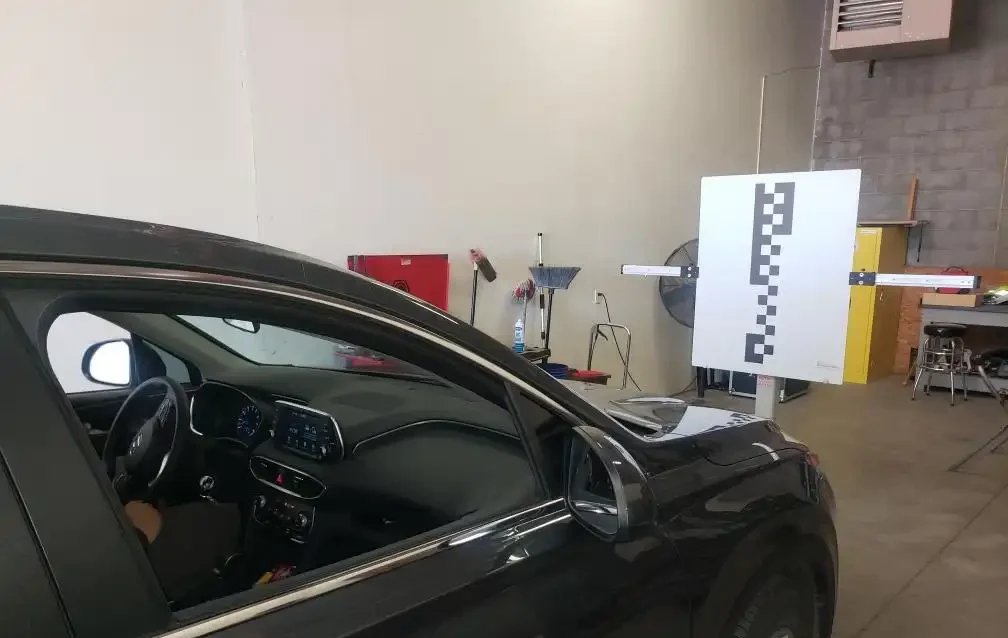

Modern imaging systems depend on precise visual data for safety, automation, navigation, and industrial control. Vehicles, robotics, surveillance, and medical systems rely on accurate camera output to function correctly. Even slight misalignment can affect detection and decision-making quality. Windshield camera calibration ensures that vehicle-based camera systems maintain proper alignment after installation or service. This process supports accurate object detection, stable imaging performance, and consistent interpretation of real-world conditions, helping systems operate with higher reliability across different environments and applications.
Camera Calibration
Camera calibration refers to adjusting a camera system so that captured images align correctly with real-world measurements. This process corrects lens distortion, sensor angle, and positioning errors that affect image output. Calibration ensures that distances, shapes, and perspectives are represented accurately in digital form. Sensors, lenses, and mounting positions all influence how visual data is processed. Calibration becomes necessary after installation, repair work, or physical changes that affect camera positioning. Proper alignment supports consistent image interpretation and improves system performance across a wide range of applications.
Why Image Accuracy Matters
Image accuracy plays a major role in systems that depend on visual information for decision-making. Safety technologies, automated systems, surveillance tools, and navigation platforms require precise imaging to function properly. Inaccurate visuals can lead to misidentification of objects, incorrect measurements, or system failure. Reliable image accuracy ensures that systems respond correctly to their environment. In automotive safety, industrial robotics, and security monitoring, even small errors can affect outcomes. Accurate imaging supports better performance, reduces risk, and improves trust in technology-driven systems across different industries.
Common Causes of Camera Misalignment
Camera misalignment can develop due to several physical and environmental factors over time. Vehicle vibrations, road impact, and accidental contact often shift camera positioning slightly. Windshield replacement, repairs, or structural adjustments can also affect alignment accuracy. Exposure to temperature changes and weather conditions may gradually influence system stability. Even minor shifts in angle or mounting position can impact image interpretation. These small deviations may not be immediately visible but can significantly reduce system precision. Identifying these causes helps maintain consistent imaging performance and system reliability.
Key Benefits of Camera Calibration
Camera calibration delivers multiple advantages that improve image accuracy and system reliability across different technologies. It enhances object recognition by ensuring visual data matches real-world conditions more precisely. Depth perception and distance measurement become more accurate, supporting better spatial awareness. Lane detection and road interpretation in vehicles improve significantly after calibration adjustments. Image distortion and perspective errors are reduced, leading to clearer outputs. Systems also perform more reliably in changing lighting or weather conditions, maintaining stability across dynamic environments where visual accuracy is essential.
How Camera Calibration Works
Camera calibration follows a structured technical process that aligns imaging systems with accurate measurement standards. Technicians or automated systems use calibration targets, software tools, and reference patterns to adjust lens and sensor alignment. Static calibration involves fixed patterns placed at specific distances, while dynamic calibration adjusts settings during movement. Data collected during this process helps correct distortion and positioning errors. Verification steps confirm that the system meets required accuracy levels. This process ensures that images reflect real-world dimensions correctly and maintain consistency across different operating conditions.
Industries That Depend on Accurate Camera Calibration
Several industries rely heavily on camera calibration to maintain precision and operational safety. Automotive systems use calibration for advanced driver assistance features such as lane detection, collision warning, and adaptive driving support. Manufacturing and automation industries depend on calibrated cameras for quality control, robotic movement, and precision measurement tasks. Security systems require accurate imaging for surveillance, facial recognition, and motion tracking. Healthcare systems also depend on calibration for diagnostic imaging, surgical assistance, and scanning technologies. Each of these sectors depends on reliable visual data for critical decision-making.
Signs a Camera May Need Recalibration
Certain indicators suggest that a camera system requires recalibration to restore accuracy. Blurred or distorted images often point to alignment issues affecting image quality. Incorrect object positioning in visual output may signal sensor misalignment. Driver-assistance systems may issue inconsistent or delayed warnings. System response delays in image recognition can also indicate calibration problems. A recent windshield replacement, camera installation, or physical impact increases the likelihood of misalignment. These signs help identify calibration needs early, ensuring systems continue to operate with accurate visual interpretation and reliable performance.
Role of Professional Calibration Services
Professional calibration services provide precise alignment using advanced tools, technical expertise, and manufacturer-approved procedures. Trained technicians ensure that camera systems are adjusted according to exact specifications. Specialized equipment improves accuracy and reduces the risk of manual error during the calibration process. Manufacturer guidelines help maintain system compatibility and performance standards. Ignoring calibration after repairs or replacement can lead to reduced safety, incorrect data interpretation, and system malfunction. Professional services ensure consistent performance and long-term reliability across automotive, industrial, and imaging systems.
Future Advancements in Camera Calibration
Camera calibration technology continues to evolve with artificial intelligence, automation, and real-time processing capabilities. AI-based systems are improving calibration speed and precision by analyzing image data automatically. Automated calibration tools reduce manual intervention and improve consistency across complex systems. Smart vehicles and connected technologies are driving demand for more advanced imaging accuracy. Future systems may include self-adjusting calibration features that maintain alignment continuously without manual recalibration. These advancements will support higher precision, improved safety, and better performance across modern imaging applications.
Conclusion
Camera calibration plays a critical role in ensuring accurate image output across multiple industries and technologies. Proper alignment of sensors, lenses, and imaging systems improves reliability and reduces errors in visual interpretation. Calibration supports safety systems, automation processes, surveillance operations, and medical imaging applications. Regular calibration ensures consistent performance and accurate data representation over time. Maintaining precise camera alignment strengthens system reliability and improves operational efficiency. Accurate imaging remains essential for dependable performance in today’s technology-driven environments where precision matters most.