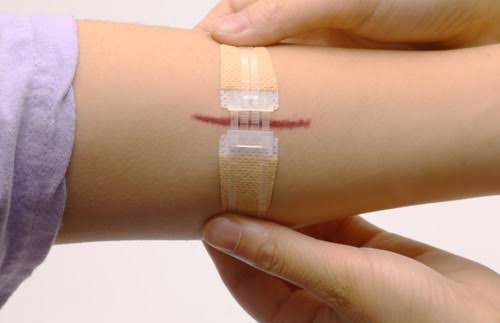

Surgical care across Gulf Cooperation Council countries is becoming increasingly focused on procedural efficiency, tissue management, and patient recovery. Wound closure is an essential part of this process because the way an incision is secured can influence healing conditions and post-operative care. Hospitals and surgical teams are consequently paying closer attention to sutures, staplers, adhesives, and other closure technologies suited to different procedures.
This changing clinical environment is also increasing attention toward advanced surgical closure solutions across the GCC. Expanding healthcare infrastructure, growing surgical capabilities, and the development of specialized medical facilities are shaping device selection. Healthcare providers increasingly evaluate closure products according to tissue type, procedure complexity, handling characteristics, and expected recovery requirements rather than relying on a uniform closure approach.
According to an analysis published by MarkNtel Advisors, the GCC wound closure devices landscape is projected to expand from USD 583 million in 2026 to USD 778 million by 2032, registering a CAGR of 4.93% during 2026–2032. The figures indicate steady regional demand as healthcare systems accommodate surgical volumes and evaluate advanced alternatives to conventional wound closure practices.
Why Surgical Demand Is Influencing Closure Technologies
Wound closure devices are designed to bring wound edges together and maintain appropriate alignment while natural healing progresses. Common solutions include sutures, surgical staplers, adhesive products, and mechanical closure systems. The selection of an appropriate method depends on wound characteristics and clinical requirements, highlighting why closure remains a significant consideration throughout surgical planning and patient management.
Across GCC healthcare systems, the development of hospitals, specialist centers, and advanced surgical departments is creating a broader environment for modern medical technologies. General surgery, orthopedics, cardiovascular procedures, obstetrics, and other specialties may require distinct closure approaches. This diversity encourages healthcare institutions to maintain product portfolios capable of supporting different tissue conditions, incision sizes, and procedural workflows.
Medical tourism is another factor influencing surgical demand in parts of the Gulf. As regional healthcare providers expand specialized treatment capabilities, hospitals serving international and domestic patients face greater expectations around clinical standards and recovery management. Reliable wound closure becomes particularly relevant in this environment because surgeons need products that support procedural consistency while addressing the requirements of individual surgical cases.
Advanced Devices Are Changing Surgical Workflows
Traditional suturing continues to play an important role in surgery, particularly when surgeons require precise control over tissue approximation. However, advanced closure devices are broadening the options available in operating rooms. Surgical staplers, tissue adhesives, and specialized closure systems can be considered according to incision characteristics and procedure requirements, allowing clinical teams to select methods aligned with specific surgical objectives.
Surgical staplers are particularly relevant where rapid and consistent closure is required. Their role in modern procedures reflects the wider emphasis on standardized surgical workflows and efficient operating room practices. At the same time, sutures remain essential because of their versatility across tissue layers and procedure types. The GCC landscape therefore reflects coexistence rather than complete replacement of conventional methods.
Product development is also increasingly linked with the broader clinical objective of supporting healing while limiting post-operative complications and unwanted scarring. Research into wound closure technologies has emphasized the importance of devices that support successful healing and appropriate tissue management. These considerations continue to influence how closure technologies are designed and assessed for surgical applications.
Absorbable Sutures Remain Clinically Important
Absorbable sutures continue to hold a significant position in surgical practice because they are designed to lose tensile strength and be absorbed by the body over time. Their clinical relevance is particularly evident in internal tissue closure and procedures where removing sutures after surgery may be impractical. This characteristic can simplify aspects of post-operative management for appropriately selected patients and procedures.
Material science is becoming increasingly important in the development of sutures and other wound closure products. Manufacturers must consider strength, flexibility, tissue response, handling, and absorption characteristics when developing solutions for surgeons. Different procedures can place very different demands on closure materials, making product specialization an important feature of the wider wound closure ecosystem.
Non-absorbable sutures also remain relevant where extended tissue support is required. The continued use of multiple suture categories demonstrates that wound closure decisions are highly dependent on clinical context. Surgeons must evaluate wound location, tissue tension, healing expectations, and patient-specific considerations when selecting a closure technique, reinforcing the importance of diverse device availability.
Healthcare Modernization Is Supporting Device Adoption
Healthcare modernization across GCC countries is strengthening the region’s ability to perform complex procedures and integrate specialized medical devices. Investments in hospital infrastructure, surgical capacity, and medical expertise create an environment in which closure technologies can be assessed as part of broader procedural improvement. Procurement decisions are increasingly influenced by clinical suitability, product consistency, and compatibility with established surgical protocols.
Training is equally important as closure devices become more specialized. Even advanced products require appropriate clinical selection and correct application. Surgeons, nurses, and operating room teams need familiarity with device characteristics and handling requirements to integrate new technologies effectively. This makes clinical education an important part of technology adoption within sophisticated healthcare environments.
Patient safety also remains central to surgical systems. The World Health Organization’s surgical safety framework emphasizes standardized checks around surgical procedures, including confirmation of sterility and equipment concerns before and during operations. Such structured approaches illustrate the broader importance of reliable processes and appropriate medical equipment within surgical care.
What Lies Ahead for Wound Closure Across the GCC
The future of wound closure in GCC countries is likely to be shaped by the interaction of surgical demand, healthcare modernization, and continued device development. Hospitals will need closure solutions suitable for varied clinical applications, while manufacturers will face expectations around material performance, usability, and procedural compatibility. Conventional sutures and advanced closure technologies are therefore expected to remain complementary components of surgical practice.
As healthcare systems across the Gulf strengthen specialized surgical capabilities, wound closure will continue to be viewed as more than a final procedural step. It forms part of a broader approach to tissue management, surgical workflow, and recovery planning. The evolution of closure technologies reflects a healthcare environment increasingly focused on selecting appropriate tools for specific clinical needs while maintaining consistent surgical practices.