
Gutters are an essential part of any building, yet they often go unnoticed until a problem arises. A properly installed gutter system protects a building from water damage, foundation issues, and landscaping erosion. Traditionally, gutters were assembled from pre-fabricated sections, which required labor-intensive cutting, joining, and sealing. This method was time-consuming and prone to errors, leading to leaks or misaligned sections.
Today, the advent of gutter machines has transformed the industry. These high-performance machines allow contractors and manufacturers to produce seamless gutters on-site, increasing efficiency, accuracy, and durability. Whether for residential homes, commercial buildings, or large-scale construction projects, gutter machines have become an indispensable tool.
What Are Gutter Machines?
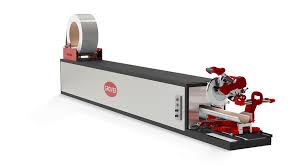
A gutter machine is a specialized piece of equipment designed to manufacture seamless gutters directly from metal coils. Unlike traditional sectional gutters that require multiple joints, seamless gutters are produced as a continuous length tailored to the building’s dimensions. This eliminates potential weak points where leaks or water damage could occur.
The machine works by feeding a metal coil—usually aluminum, steel, copper, or zinc—through a series of rollers that shape it into the desired gutter profile. Once formed, the gutter is cut to the precise length required for installation. Some advanced machines also allow customization of decorative edges, downspout connectors, and gutter sizes.
Types of Gutter Machines
Gutter machines vary based on production capacity, portability, and the type of gutters they produce. Understanding the different types is essential when choosing the right equipment for your business or project.
1. Portable Gutter Machines
Portable machines are compact, lightweight, and easy to transport to job sites. They are ideal for residential installations or small commercial projects. Despite their size, portable machines can produce gutters efficiently and accurately, making them a popular choice for contractors who need flexibility and mobility.
2. Industrial Gutter Machines
Industrial-grade machines are larger and designed for high-volume production. They can handle thicker metals and longer continuous runs, making them suitable for commercial buildings, large residential developments, or manufacturing operations that supply multiple contractors. Industrial machines often include advanced features such as automatic cutting, programmable lengths, and higher-speed rollers.
3. CNC-Controlled Gutter Machines
CNC (Computer Numerical Control) gutter machines represent the most advanced technology in the field. They allow operators to program custom gutter lengths, profiles, and designs digitally. This is particularly useful for architectural projects requiring precise measurements, decorative styles, or unusual building layouts. CNC machines improve efficiency, reduce errors, and provide a higher degree of customization.
Benefits of Using Gutter Machines
Investing in a gutter machine comes with numerous advantages that impact both productivity and profitability.
1. Precision and Accuracy
Seamless gutters eliminate joints and weak points, which are common sources of leaks. Gutter machines produce uniform, precise lengths, ensuring a perfect fit for every building. Accurate gutters reduce installation time and prevent costly repairs later.
2. Time Efficiency
Manual cutting and assembly of traditional gutters can take hours, even for experienced crews. Gutter machines speed up production, allowing contractors to fabricate gutters on-site in a fraction of the time. Faster installation means projects are completed sooner, improving client satisfaction and freeing up resources for additional work.
3. Cost Savings
Although gutter machines require an upfront investment, they provide long-term cost savings. Producing gutters on-site reduces labor costs, minimizes material waste, and eliminates the need to transport pre-fabricated sections. The machine also reduces mistakes, which can be expensive to fix.
4. Durability
Gutters produced by machines are typically stronger and more durable than pre-fabricated alternatives. Continuous lengths without joints decrease the risk of leaks, corrosion, and structural failures. Metal gutters can be coated to resist rust, extend longevity, and withstand harsh weather conditions.
5. Versatility
Modern gutter machines can handle multiple metals, profiles, and sizes. Whether producing K-style, half-round, or custom decorative gutters, these machines allow contractors to meet diverse client demands without investing in multiple systems.
Applications of Gutter Machines
Gutter machines are highly versatile and can be used across different types of construction projects:
- Residential Homes: Custom-sized seamless gutters improve curb appeal and provide long-lasting protection against water damage.
- Commercial Buildings: Industrial machines produce large quantities of gutters efficiently for warehouses, office buildings, and retail spaces.
- Architectural Projects: CNC machines enable unique gutter designs that complement modern architectural styles.
- Roof Renovations: Replacing old, leaky gutters with on-site fabricated seamless gutters enhances durability and reduces maintenance.
By producing gutters on demand, contractors can tailor each project precisely to the client’s specifications.
Installation Considerations
While gutter machines simplify fabrication, proper installation is critical to maximize performance:
- Operator Training: Ensure that machine operators are trained in both the operation and safety procedures.
- Site Preparation: A level, stable area for machine setup reduces errors and ensures smooth operation.
- Material Handling: Properly feed metal coils and inspect for defects to avoid production issues.
- Maintenance: Regular cleaning, lubrication, and inspection of rollers and cutting blades extend the machine’s life.
Following these practices ensures seamless, leak-free gutter systems that perform as intended.
Safety and Maintenance
Safety is essential when operating gutter machines. Operators should wear gloves, safety glasses, and protective footwear. Emergency stop features, machine guards, and proper training are non-negotiable for preventing accidents.
Routine maintenance keeps the machine performing at peak efficiency. Cleaning debris from rollers, checking alignment, and lubricating moving parts prevent damage and minimize downtime.
Conclusion
Gutter machines have revolutionized the way seamless gutters are fabricated and installed. They combine speed, precision, and versatility, enabling contractors to deliver durable, high-quality gutters for both residential and commercial projects.