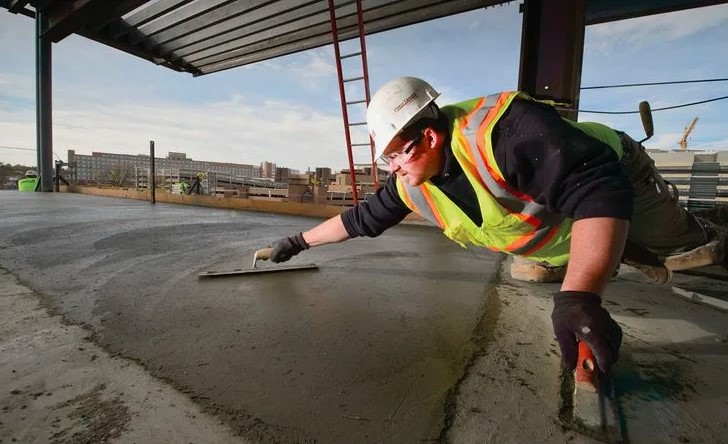

Concrete structure design is one of the most essential aspects of modern construction engineering. From residential buildings to massive infrastructure projects, concrete remains the backbone of durable and safe structures. Proper design ensures longevity, safety, and cost efficiency. Engineers and architects must carefully analyze load distribution, material quality, environmental exposure, and structural integrity when planning concrete structures. With increasing urbanization and advanced construction technologies, understanding concrete structure design principles is more important than ever.
Concrete is popular because of its high compressive strength, flexibility in shaping, and resistance to environmental damage. However, poor design or improper material selection can lead to structural failures. This article explores key factors, methods, and best practices involved in designing strong concrete structures.
Importance of Concrete Structure Design
Concrete structure design plays a critical role in construction safety and performance. The main goals of good design include:
-
Ensuring structural stability under various loads
-
Improving durability against weather and chemical exposure
-
Minimizing construction costs
-
Enhancing sustainability and energy efficiency
Engineers must follow national and international building codes to ensure compliance and safety standards. Proper design also reduces maintenance costs over the building’s lifespan.
Key Principles of Concrete Structure Design
1. Load Analysis
Understanding loads is the first step in concrete design. Structures must withstand:
-
Dead loads (weight of structural components)
-
Live loads (occupants, furniture, equipment)
-
Environmental loads (wind, earthquake forces, snow pressure)
Accurate load calculation ensures structural safety and prevents collapse risks.
2. Material Selection
Quality materials significantly impact structure performance. Concrete mixture proportions must be carefully controlled. Key materials include:
-
Cement
-
Aggregates
-
Water
-
Chemical admixtures
Proper curing is also necessary to achieve maximum strength. Poor curing can reduce structural durability and strength development.
3. Reinforcement Design
Reinforcement steel is used to improve tensile strength since concrete is weak in tension. Reinforcement design involves:
-
Determining bar diameter and spacing
-
Ensuring proper cover thickness
-
Preventing corrosion damage
Reinforced concrete is widely used in beams, slabs, columns, and foundations.
4. Structural Durability
Durability is critical for long-term performance. Factors affecting durability include:
-
Environmental exposure
-
Chemical attacks
-
Moisture penetration
-
Freeze-thaw cycles
Using corrosion-resistant reinforcement and proper waterproofing helps extend structure lifespan.
5. Foundation Design
Foundation design transfers building loads safely to the soil. Common foundation types include:
-
Shallow foundations
-
Deep pile foundations
Soil testing is necessary before foundation construction to determine soil bearing capacity.
Modern Techniques in Concrete Structure Design
Computer-Aided Design
Modern engineers use advanced software to simulate structural behavior under different conditions. These tools improve accuracy and reduce design errors.
Sustainable Concrete Design
Green construction practices are becoming popular. Sustainable design includes:
-
Using recycled aggregates
-
Reducing cement content
-
Applying low-carbon construction methods
Sustainability improves environmental performance and reduces construction waste.
Common Challenges in Concrete Structure Design
Cracking Problems
Concrete cracks due to shrinkage, temperature changes, or excessive loading. Proper reinforcement and expansion joints help control cracking.
Corrosion of Steel Reinforcement
Moisture and chemicals can cause steel corrosion. Protective coatings and proper concrete cover are essential solutions.
Poor Construction Quality
Even well-designed structures can fail due to poor workmanship. Regular site inspections help maintain quality control.
Best Practices for Strong Concrete Structure Design
-
Follow building codes and engineering standards
-
Perform accurate structural analysis
-
Use high-quality construction materials
-
Ensure proper curing and finishing
-
Conduct regular maintenance inspections
These practices ensure long-term structural performance and safety.
Future Trends in Concrete Structure Design
The construction industry is evolving rapidly. Future trends include:
-
Smart concrete with self-healing properties
-
3D-printed concrete structures
-
Advanced earthquake-resistant designs
-
AI-assisted structural analysis
These innovations will make construction faster, safer, and more efficient.
FAQs
1. Why is concrete widely used in construction?
Concrete is widely used because of its high compressive strength, durability, and flexibility in design shapes.
2. What are the main components of concrete?
The main components include cement, water, aggregates, and chemical admixtures.
3. How does reinforcement help in concrete structures?
Reinforcement improves tensile strength and prevents structural failure under stress.
4. What causes concrete cracks?
Concrete cracks due to shrinkage, temperature changes, overloads, and poor construction practices.
5. How can concrete structures be made more durable?
Durability can be improved using quality materials, proper curing, waterproofing, and corrosion protection.
Conclusion
A Structural engineering is a fundamental part of modern construction engineering. Proper design ensures safety, durability, and cost efficiency. Engineers must focus on load analysis, material quality, reinforcement design, and sustainability considerations. With technological advancements, concrete design methods are becoming more accurate and environmentally friendly. Investing time in proper design planning reduces risks and enhances building performance. As urban development continues, concrete structure design will remain essential for creating safe and sustainable infrastructure for future generations.