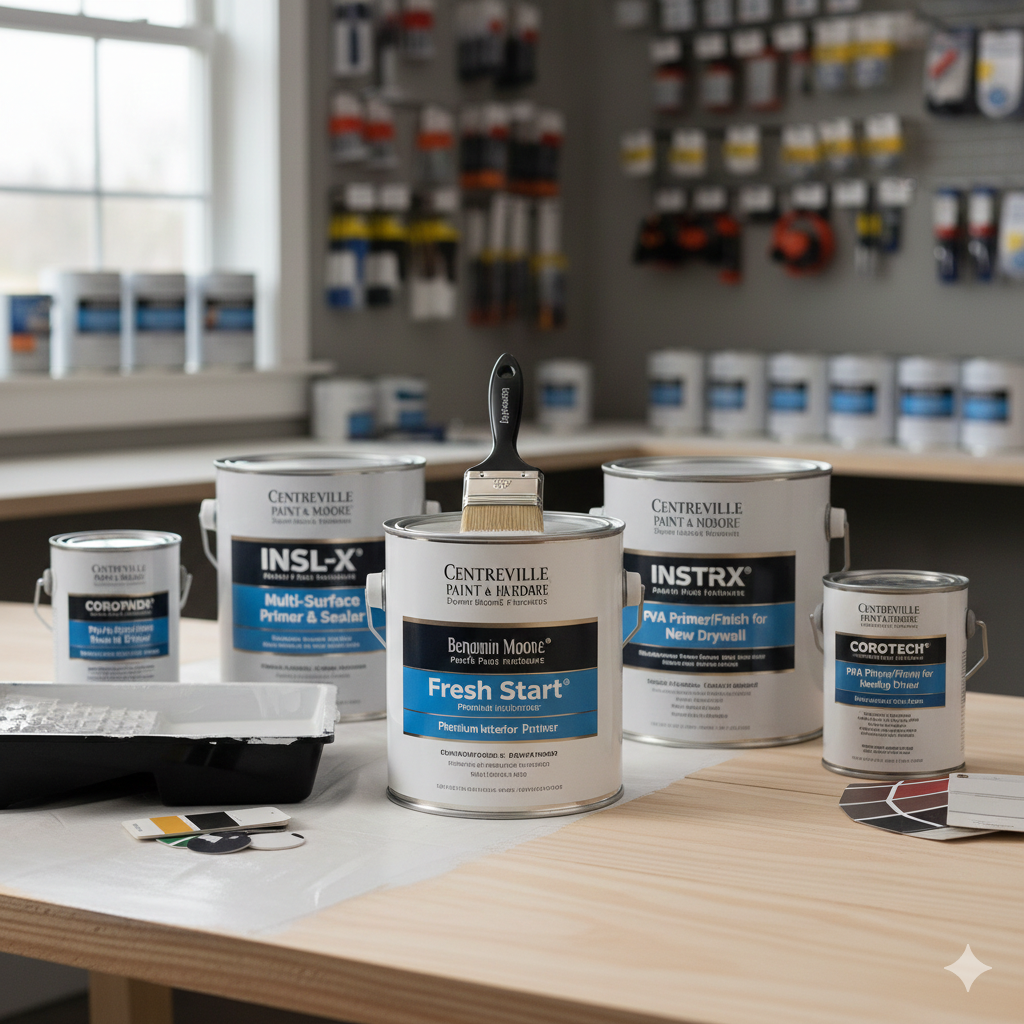

A high-quality paint job requires more than simply choosing the right color. Proper preparation and the correct products play a major role in creating a smooth, durable, and professional-looking finish. Whether you are painting walls, furniture, or exterior surfaces, understanding the importance of preparation can significantly improve the final result.
Using paint and primer correctly helps surfaces look cleaner, last longer, and resist common problems such as peeling, uneven coverage, and fading. With the right approach, you can achieve a finish that enhances both appearance and durability.
Understanding the Purpose of Primer
Primer is the foundation of a successful painting project. It is applied before the paint to prepare the surface and improve adhesion. Without primer, paint may not bond properly, especially on porous or uneven surfaces.
Primer helps create a uniform base that allows paint to spread evenly and maintain its color more effectively. It also seals surfaces, preventing excessive absorption that can lead to patchy results.
In many projects, paint and primer work together to create a stronger and more reliable finish that lasts for years.
Benefits of Using Primer Before Painting
Applying primer offers several important advantages that improve the overall quality of the project.
Better Adhesion
Primer creates a surface that allows paint to bond more effectively, reducing the chances of peeling or cracking.
Improved Coverage
Using primer helps reduce the number of paint coats required by creating an even base.
Surface Protection
Primer helps protect surfaces from moisture, stains, and environmental damage.
Enhanced Appearance
It smooths imperfections and creates a cleaner, more consistent finish.
These benefits make primer an essential part of most painting projects, especially on new or damaged surfaces.
Different Types of Paint Finishes
Choosing the right paint finish is just as important as selecting the right color. Different finishes offer different levels of durability and shine.
Matte Finish
Matte finishes provide a soft and non-reflective appearance. They are ideal for hiding surface imperfections and are commonly used in bedrooms and ceilings.
Eggshell Finish
Eggshell finishes have a subtle sheen and offer slightly better durability than matte options.
Satin Finish
Satin finishes are smooth and easy to clean, making them suitable for high-traffic areas.
Semi-Gloss Finish
This finish is moisture-resistant and works well in kitchens, bathrooms, and trim areas.
Gloss Finish
Gloss finishes provide a polished appearance and are commonly used on cabinets, doors, and decorative surfaces.
Choosing the Right Products for Different Surfaces
Different surfaces require different painting solutions. Understanding the material you are working with helps ensure better results.
Drywall
New drywall often absorbs paint unevenly, making primer necessary for smooth coverage.
Wood
Wood surfaces benefit from primer because it seals the grain and improves paint adhesion.
Metal
Metal surfaces require specialized primers that help prevent rust and improve durability.
Previously Painted Surfaces
Older painted areas may need primer if they contain stains, damage, or drastic color changes.
Selecting the right combination of paint and primer for each surface helps improve both appearance and performance.
Preparation Tips Before Painting
Proper preparation is one of the most important steps in achieving a professional finish.
- Clean the surface thoroughly before starting
- Repair cracks, holes, or imperfections
- Sand rough surfaces for smoother application
- Remove dust and debris before applying primer
- Protect nearby furniture and flooring
Good preparation improves adhesion and helps create more even coverage.
Application Tips for Better Results
Applying products correctly is essential for achieving a long-lasting finish.
Use Quality Tools
High-quality brushes and rollers create smoother and more consistent coverage.
Apply Thin Coats
Multiple thin coats provide better results than one thick layer.
Allow Proper Drying Time
Each layer should dry completely before applying the next coat.
Work in Proper Conditions
Avoid painting in extremely humid or hot conditions, as this can affect drying and adhesion.
These simple practices help improve the overall durability and appearance of the finished surface.
Common Painting Mistakes to Avoid
Avoiding common mistakes can greatly improve the outcome of your project.
Skipping Primer
Failing to use primer may result in uneven color, poor adhesion, and reduced durability.
Applying Too Much Paint
Thick coats can lead to streaks, drips, and uneven drying.
Ignoring Surface Preparation
Painting over dirt or damaged areas can affect adhesion and finish quality.
Using the Wrong Finish
Different rooms and surfaces require different paint finishes for best results.
Being mindful of these issues helps create a smoother and longer-lasting finish.
Importance of Maintenance After Painting
Maintaining painted surfaces helps preserve their appearance and durability over time. Regular cleaning prevents dirt buildup and helps surfaces remain fresh and attractive.
Avoid using harsh cleaning products that may damage the finish. Small repairs should also be handled quickly to prevent larger problems from developing.
Proper maintenance extends the lifespan of both paint and primer while keeping surfaces looking their best.
Conclusion
A successful painting project depends on careful preparation, proper application, and choosing the right products for the job. Understanding how different finishes and surface treatments work together helps create stronger, smoother, and more attractive results.
By using paint and primer correctly and following proper techniques, you can achieve long-lasting finishes that improve both the beauty and durability of your surfaces.