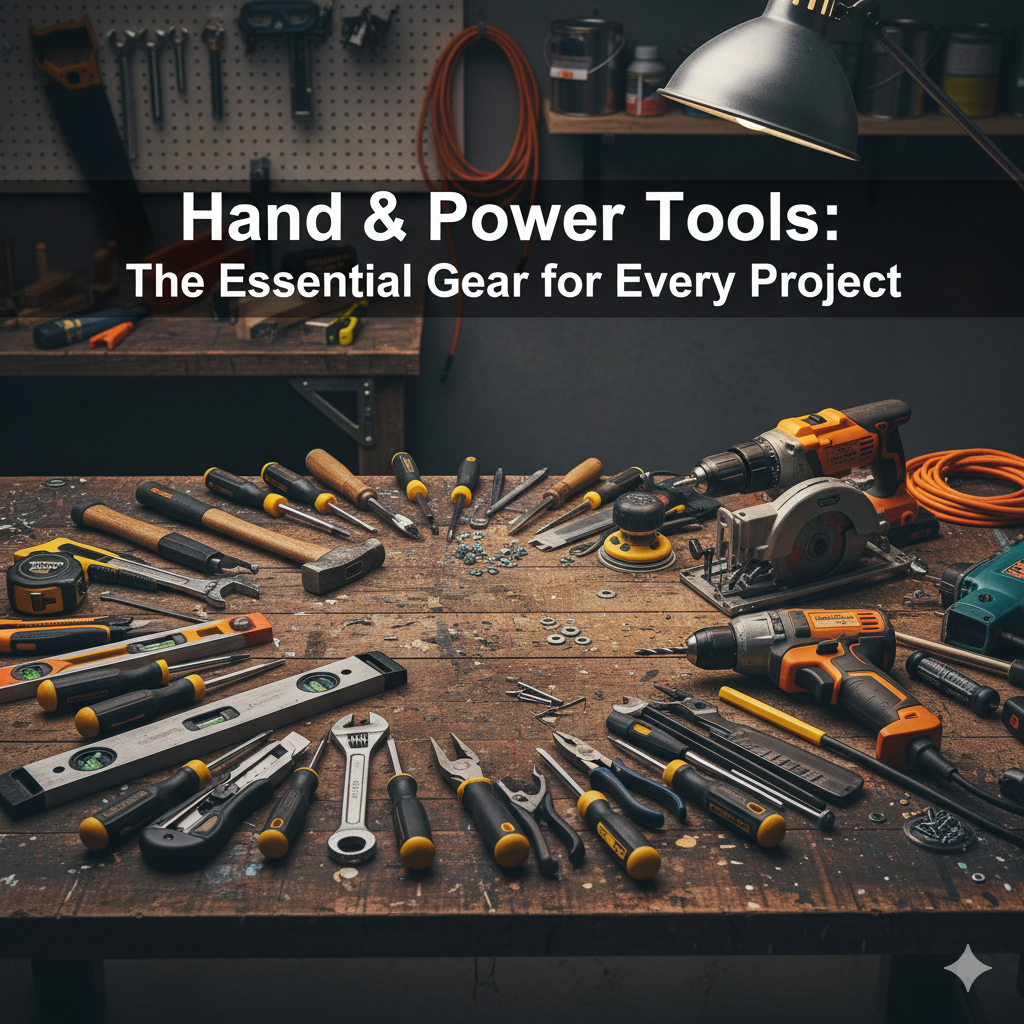

Whether you are handling a small home repair or working on a large construction project, having the right equipment is essential for achieving efficient and accurate results. Proper tools help reduce effort, improve safety, and make every task easier to complete. Understanding how different tools function and where they are best used can greatly improve the quality of your work.
Using hand and power tools correctly allows both professionals and homeowners to complete projects with greater confidence and precision. From simple repairs to heavy-duty construction tasks, the right equipment can make a significant difference in performance and productivity.
Understanding Different Types of Tools
Tools are generally divided into two main categories: manual and powered. Manual tools rely on physical effort and are ideal for tasks that require control and precision. Powered equipment uses electricity or batteries to complete demanding tasks quickly and efficiently.
Each type serves a different purpose, and combining both creates a versatile setup capable of handling a wide variety of projects. Manual tools provide accuracy for detailed work, while powered tools increase speed and reduce physical strain.
Importance of Choosing the Right Tools
Selecting the proper equipment is one of the most important aspects of any project. Using unsuitable tools can lead to poor results, wasted time, and unnecessary safety risks.
The right tools help:
- Improve work efficiency
- Increase accuracy and consistency
- Reduce physical effort
- Enhance safety during operation
- Extend the lifespan of materials and equipment
High-quality tools also offer long-term durability, making them a smart investment for regular use.
Common Types of Manual Tools
Manual tools are essential for detailed tasks and everyday repairs. Some of the most commonly used options include hammers, screwdrivers, pliers, and wrenches.
Hammers
Hammers are used for driving nails, removing fasteners, and light demolition work. Different types are available depending on the task.
Screwdrivers
Screwdrivers are designed for tightening and loosening screws. Using the correct type prevents damage to screws and surfaces.
Pliers
Pliers help grip, bend, and cut materials. They are useful for electrical work, repairs, and assembly tasks.
Wrenches
Wrenches are used to tighten or loosen nuts and bolts. Adjustable and fixed-size options are commonly available.
These tools provide the precision and control needed for accurate work.
Popular Powered Tools and Their Uses
Powered equipment is designed for tasks that require more strength and speed. Common examples include drills, saws, grinders, and sanders.
Drills
Drills are used for creating holes and driving screws into various materials such as wood, metal, and concrete.
Saws
Power saws make cutting materials faster and more precise compared to manual cutting methods.
Grinders
Grinders are commonly used for shaping, smoothing, and cutting metal or stone surfaces.
Sanders
Sanders help create smooth finishes on wood and other surfaces by removing rough areas efficiently.
Modern powered equipment often includes features such as adjustable speeds, ergonomic designs, and safety systems that improve usability and control.
How to Choose the Right Equipment
Choosing the right tools depends on the type of project, materials involved, and level of usage. For simple tasks, manual tools may be enough, while larger or repetitive projects benefit from powered equipment.
Consider Quality
Durable tools provide better performance and last longer. High-quality materials reduce wear and improve reliability.
Focus on Comfort
Ergonomic designs reduce fatigue during extended use and improve overall control.
Match the Tool to the Task
Using the correct tool for each job helps prevent damage and ensures better results.
Evaluate Power Requirements
For powered tools, consider battery life, motor strength, and intended application before making a decision.
Maintenance Tips for Long-Term Performance
Proper maintenance keeps equipment functioning efficiently and extends its lifespan. Regular care also improves safety and performance during use.
- Clean tools after each use to remove dust and debris
- Lubricate moving parts regularly
- Store equipment in a dry and organized space
- Inspect tools for wear or damage before use
- Replace worn parts promptly
Consistent maintenance reduces the risk of breakdowns and improves reliability.
Safety Practices When Using Tools
Safety should always be a priority when working with equipment. Following proper safety procedures helps prevent injuries and accidents.
Wear Protective Gear
Use gloves, safety glasses, and appropriate footwear when operating tools.
Read Instructions Carefully
Understanding how each tool works helps ensure proper handling and safe operation.
Keep Work Areas Organized
A clean workspace reduces accidents and improves efficiency.
Disconnect Powered Equipment When Not in Use
Always switch off and unplug tools before adjusting or storing them.
Proper safety habits create a safer and more productive working environment.
Benefits of Investing in Reliable Tools
Reliable equipment provides several long-term benefits for both professionals and homeowners.
Better Efficiency
High-quality tools complete tasks faster and with greater accuracy.
Improved Durability
Strong materials and better construction increase tool lifespan.
Reduced Repair Costs
Reliable tools require less maintenance and fewer replacements.
Consistent Performance
Well-made tools deliver dependable results across different projects.
Conclusion
Having the right equipment is essential for completing projects safely and efficiently. By understanding how different tools function and choosing the correct options for each task, you can improve productivity and achieve better results.
With proper care, maintenance, and safe usage practices, hand and power tools can provide long-lasting performance and support a wide range of projects with confidence and precision.