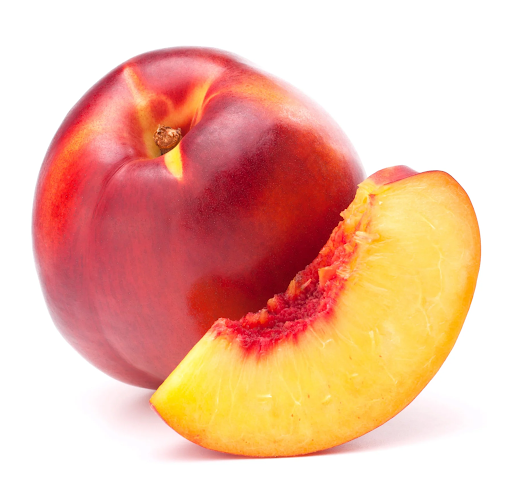

Successful orchard development depends on understanding plant biology, environmental requirements, and consistent maintenance practices. Among stone fruit varieties, the nectarine tree is appreciated for its smooth-skinned fruit, attractive spring blossoms, and productive growth when cultivated under suitable conditions. Proper management involves selecting the correct planting location, maintaining soil health, managing irrigation, and applying effective pruning techniques. A healthy nectarine tree requires careful attention throughout the year because factors such as temperature fluctuations, nutrient availability, and moisture levels directly influence flowering, fruit development, and overall plant performance. Modern horticultural practices focus on improving tree structure, reducing disease risks, and creating optimal growing environments for long-term productivity. Nectarines are closely related to peaches and generally require similar cultivation methods, including full sunlight, well-drained soil, and seasonal pruning.
Selecting the Correct Growing Environment
The foundation of successful cultivation begins with choosing an appropriate location.
An ideal site for a nectarine tree should provide:
- Full sunlight exposure
- Good air circulation
- Protection from strong winds
- Deep, fertile soil
- Effective drainage
Sunlight is particularly important because nectarine fruits require sufficient energy for proper ripening and flavor development. Areas with poor drainage should be avoided because excessive moisture around roots can contribute to decline and disease problems.
Soil Preparation and Planting Requirements
Healthy soil structure supports strong root development and long-term growth.
Before planting, growers should consider:
- Improving compacted soil
- Adding organic matter where necessary
- Maintaining suitable soil drainage
- Creating sufficient planting space
- Positioning roots correctly during installation
A well-prepared planting area allows roots to establish efficiently while improving access to water and nutrients.
When planting a nectarine tree, spacing is also important because overcrowded trees may experience reduced airflow and increased disease pressure.
Irrigation and Moisture Management
Water management plays a major role in tree health and fruit production.
Effective irrigation practices include:
- Deep watering during dry periods
- Maintaining consistent soil moisture
- Avoiding excessive water accumulation
- Increasing irrigation during fruit development
Young trees require more frequent watering while establishing their root systems. Mature trees generally become more resilient but still require adequate moisture during flowering and fruit formation.
Nutrient Management Strategies
Balanced nutrition supports healthy foliage, flowering, and fruit quality.
Important nutrients include:
- Nitrogen for vegetative growth
- Phosphorus for root development
- Potassium for fruit quality
- Calcium for structural strength
- Micronutrients for overall plant health
Fertilizer applications should be based on soil conditions and tree requirements rather than excessive application. Too much nitrogen can encourage leaf growth while reducing productive fruit development.
Pruning and Canopy Management
Pruning is one of the most important maintenance practices for stone fruit trees.
Regular pruning helps:
- Improve sunlight penetration
- Increase airflow
- Remove weak branches
- Maintain manageable size
- Encourage fruiting wood
A properly structured canopy allows better light distribution throughout the branches and supports healthier fruit production. Nectarines typically produce fruit on younger wood, making annual pruning important for maintaining productivity.
Pest and Disease Prevention
Regular monitoring helps protect trees from common horticultural challenges.
Potential issues include:
- Leaf curl diseases
- Fungal infections
- Aphids
- Mites
- Fruit damage from insects
- Bacterial problems
Preventive measures include maintaining proper sanitation, removing affected plant material, improving airflow, and monitoring tree health throughout the growing season.
Seasonal Care Requirements
A successful maintenance schedule changes throughout the year.
Spring
Important tasks include:
- Monitoring blossoms
- Protecting flowers from frost
- Applying balanced nutrients
- Checking for early pest activity
Summer
Focus areas include:
- Irrigation management
- Fruit development monitoring
- Canopy maintenance
- Pest inspection
Autumn and Winter
Recommended practices include:
- Removing fallen leaves
- Preparing soil
- Performing dormant pruning
- Protecting young trees from extreme conditions
Seasonal attention helps maintain tree strength and prepares the plant for future growth cycles.
Harvesting and Fruit Quality Management
Harvest timing directly affects flavor, texture, and storage quality.
A mature nectarine is generally identified by:
- Full color development
- Slight softness near the stem
- Pleasant aroma
- Easy separation from the branch
Careful harvesting reduces physical damage and helps preserve fruit quality after collection.
Conclusion
Growing a productive nectarine tree requires a combination of proper planting conditions, balanced nutrition, effective irrigation, pruning, and preventive care. Understanding these horticultural principles helps gardeners maintain healthy trees while improving fruit production and long-term plant performance. Choosing the right fruit tree depends on climate compatibility, available growing space, soil conditions, and the level of maintenance a gardener can provide. With consistent care and suitable growing practices, a Nectarine tree can provide beautiful seasonal blooms and reliable harvests for many years.