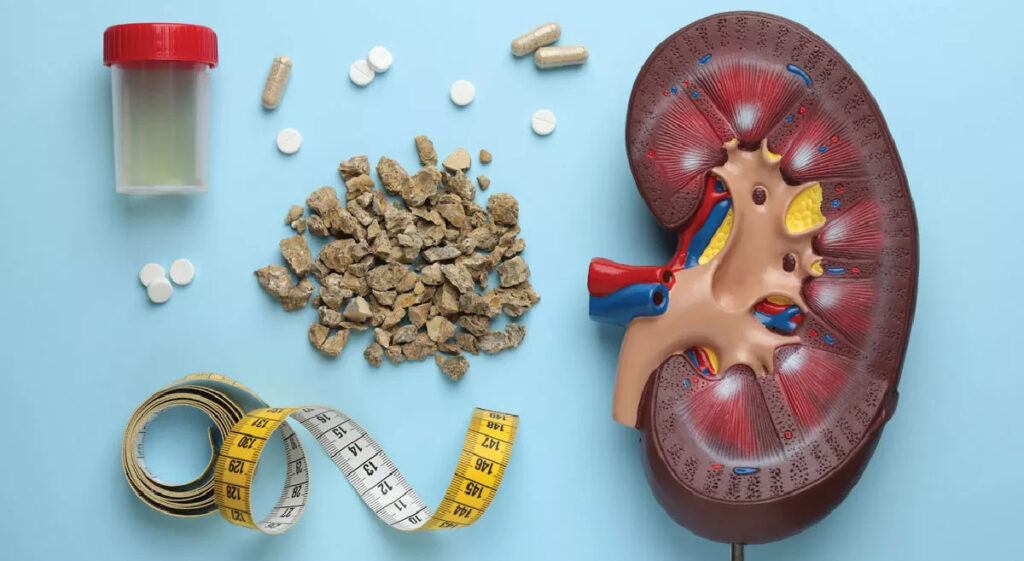

Kidney Stones are a common urinary tract problem that can affect people of all ages. These hard mineral deposits form inside the kidneys and may cause severe pain when they move through the urinary tract. While small stones may pass naturally, larger stones often require medical treatment. Understanding the causes, symptoms, diagnosis, and treatment options can help patients seek timely care and avoid complications.
What Are Kidney Stones?
Kidney Stones are solid crystal-like deposits made from minerals and salts found in urine. They develop when urine becomes concentrated, allowing minerals to stick together and form stones. These stones can vary in size, from tiny grains to larger stones that block the urinary tract.
There are several types of kidney stones, including:
- Calcium stones
- Uric acid stones
- Struvite stones
- Cystine stones
Each type may require a different treatment approach depending on the underlying cause.
Common Symptoms of Kidney Stones
Symptoms usually appear when the stone begins moving within the kidney or enters the ureter. The severity of symptoms often depends on the size and location of the stone.
Common symptoms include:
- Severe pain in the back, side, or lower abdomen
- Burning sensation during urination
- Blood in urine
- Frequent urge to urinate
- Nausea and vomiting
- Cloudy or foul-smelling urine
- Fever and chills in case of infection
If you experience intense pain or difficulty urinating, it is important to seek medical attention immediately.
Causes and Risk Factors
Several factors can increase the risk of developing Kidney Stones. One of the leading causes is dehydration, which reduces urine volume and allows minerals to crystallize more easily.
Other risk factors include:
- High salt or high-protein diet
- Family history of kidney stones
- Obesity
- Certain medical conditions such as diabetes
- Excess calcium or uric acid in urine
- Digestive diseases and surgeries
- Lack of physical activity
People who have had kidney stones once are also more likely to develop them again in the future.
How Kidney Stones Are Diagnosed
Doctors use several methods to diagnose Kidney Stones and determine the most suitable treatment plan.
Common diagnostic tests include:
- Urine tests to check for minerals and infection
- Blood tests to evaluate kidney function
- Ultrasound imaging
- CT scan for detailed stone detection
- X-rays in some cases
Accurate diagnosis helps determine the stone’s size, location, and composition.
Kidney Stone Treatment Options
Treatment for Kidney Stones depends on the size of the stone, symptoms, and overall health of the patient. Some stones can pass naturally, while others may require medication or surgical procedures.
1. Drinking Plenty of Fluids
For small kidney stones, doctors usually recommend drinking plenty of water. Increased fluid intake helps flush the stone out through urine. Patients are often advised to drink enough water to produce clear or light-colored urine.
2. Pain Management
Passing a kidney stone can be painful. Doctors may prescribe pain relievers to reduce discomfort during the process. Mild pain can sometimes be managed with over-the-counter medications, while severe pain may require stronger medicines.
3. Medications to Help Pass Stones
Certain medications relax the muscles in the ureter, making it easier for the stone to pass. These medicines can reduce pain and shorten the time needed for stone passage.
4. Shock Wave Lithotripsy (SWL)
Shock Wave Lithotripsy is a non-invasive treatment that uses sound waves to break large stones into smaller pieces. These smaller fragments can then pass naturally through urine.
This procedure is commonly used for medium-sized stones and usually does not require a hospital stay.
5. Ureteroscopy
In this procedure, a thin tube with a camera is inserted through the urinary tract to locate and remove the stone. Sometimes, laser energy is used to break the stone into smaller fragments.
Ureteroscopy is effective for stones located in the ureter or kidney.
6. Percutaneous Nephrolithotomy (PCNL)
PCNL is a minimally invasive surgery used for very large or complex kidney stones. A small incision is made in the back to remove the stone directly from the kidney.
This procedure is generally recommended when other treatments are not effective.
7. Surgical Treatment
Traditional surgery is rarely needed today but may still be recommended in severe cases where stones are extremely large or causing major complications.
If you are looking for advanced kidney stone laser treatment in Bangalore, choosing an experienced healthcare provider is essential for safe and successful treatment.
SSurocare Hospital is known for providing advanced urology and kidney stone treatments using modern medical technology. The hospital focuses on patient-centered care and minimally invasive procedures for faster recovery.
Recovery After Treatment
Recovery time depends on the treatment method used. Most patients recover quickly after minimally invasive procedures and can return to normal activities within a few days.
Doctors may recommend:
- Drinking more water daily
- Following dietary restrictions
- Taking prescribed medications
- Regular follow-up scans
- Monitoring urine and kidney health
Following medical advice carefully can help prevent future stone formation.
How to Prevent Kidney Stones
Preventing Kidney Stones is possible with healthy lifestyle changes and proper hydration.
Drink Enough Water
Staying hydrated is one of the best ways to prevent kidney stones. Aim to drink enough fluids throughout the day, especially during hot weather.
Reduce Salt Intake
Too much sodium increases calcium levels in urine, raising the risk of stone formation. Limiting processed and salty foods can help.
Maintain a Balanced Diet
Eating fruits, vegetables, and calcium-rich foods in moderation supports kidney health. Reducing excessive animal protein intake may also lower risk.
Exercise Regularly
Regular physical activity helps maintain a healthy weight and reduces the risk of stone development.
Follow Medical Advice
People with recurring kidney stones should attend regular medical checkups and follow personalized dietary recommendations.
When Should You See a Doctor?
You should seek immediate medical care if you experience:
- Severe pain that does not improve
- Blood in urine
- Fever and chills
- Persistent vomiting
- Difficulty passing urine
Early diagnosis and treatment can prevent complications such as infections or kidney damage.
Kidney Stones can be painful and disruptive, but effective treatments are available for every stage of the condition. From hydration and medication to advanced minimally invasive procedures, modern healthcare offers multiple ways to manage and remove kidney stones safely.
Understanding the symptoms and seeking timely treatment can help patients recover faster and reduce the chances of recurrence. Maintaining a healthy lifestyle, staying hydrated, and following medical guidance are key steps toward long-term kidney health.
Original Sources : – Everything You Should Know About Kidney Stones Treatment