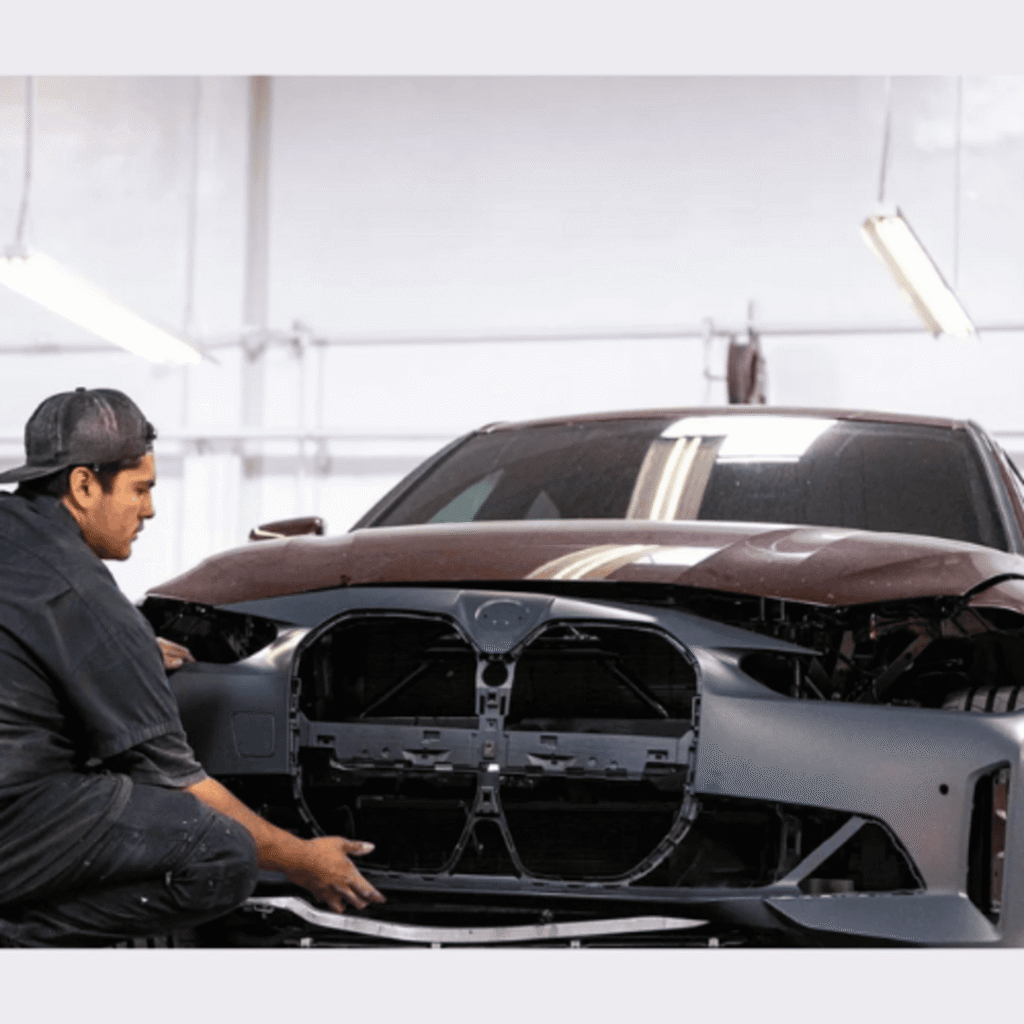

Accident repairs get judged too early, usually right after the car comes back. It looks fine, so it feels like the job’s done. But that’s not really when the result shows. You start noticing things later, how the panels sit after some time, how the paint reacts or how the car feels when you drive it regularly.
This is where most people get it slightly wrong. The focus stays on what’s visible in that moment. What doesn’t get much attention is how the repair was actually done. That part matters just as much, sometimes more, especially if the aim is to get the car back to how it should feel, not just how it looks.
What Happens to a Vehicle During a Car Accident
A car accident doesn’t just affect what you can see. Even a minor impact sends force through the structure. Panels can shift, joints can move slightly, and some areas take stress without showing it right away.
Because of this, two cars with similar damage can need very different repairs. Some issues stay hidden and only show up after regular driving.
Common areas affected include:
- Body panels losing their original shape
- Slight misalignment in doors or edges
- Stress points within the structure
- Surface areas where paint may weaken
Why Post-Accident Repairs Are More Than Just Visual Fixes
Fixing a car after an accident isn’t only about making it look right again. The goal is to bring things back to how they should sit and function.
Alignment matters more than most expect. Even a small shift can change how the car feels. Paint is another area where details count. Matching color is one part, but getting the same finish across panels takes more care.
Over time, differences start to show:
- Uneven reflections under light
- Slight variation in paint texture
- Panels not sitting evenly
These don’t always show up immediately, which is why early impressions can be misleading.
Where Most Repair Decisions Go Wrong
Many decisions after an accident are made quickly. Once the situation is handled, the focus shifts to getting the car back as soon as possible. That rush often leads to choices that aren’t fully thought through.
A few patterns tend to show up:
- Choosing speed over process: Getting the car back fast feels right, but it doesn’t always reflect how carefully the work was done
- Looking at cost without understanding the scope: A lower estimate can miss important steps that aren’t obvious at first
- Assuming all repairs follow the same method: Different approaches lead to different outcomes, even if they look similar early on
- Not asking how the repair will be done: Skipping this leaves too much unclear, especially when some damage isn’t visible
How Different Repair Approaches Affect the Outcome
Every repair approach may not lead to the same result. The difference comes down to how much attention is given during the process.
Some repairs focus only on appearance. Others go deeper and work on alignment and structure. That gap shows later.
Key differences include:
- Whether the repair covers only visible damage or more than that
- The level of precision used while adjusting panels
- The quality of materials used
These things don’t always show right away, but they matter over time.
What to Look for When Evaluating Repair Quality
It’s not always easy to judge a repair immediately, but small details help.
Panel gaps should look even across the car. Paint should blend without standing out. Light can reveal uneven areas more clearly than a direct look.
You can check for:
- Even spacing between panels
- Smooth paint finish
- Consistent reflection
- No sharp transitions between repaired and original areas
Making a More Informed Choice After an Accident
Taking a step back before deciding can make a difference. Instead of rushing, it helps to understand what the repair actually involves.
A proper assessment usually looks beyond the surface. It checks how the impact has affected the vehicle as a whole. In some cases, getting another opinion helps.
Exploring options, including finding the auto body repair shop, often comes down to how well the damage is understood first. Workshops like Prestige Bodyworks Auto Collision tend to focus on that stage, where the condition is assessed before deciding the repair method.
Conclusion
Accident repairs are easy to judge too soon. What looks fine on the surface doesn’t always reflect the actual quality underneath.
Over time, details begin to show. Alignment, finish, and consistency all affect how the car holds up. Paying attention to the process, not just the result, usually leads to fewer issues later.