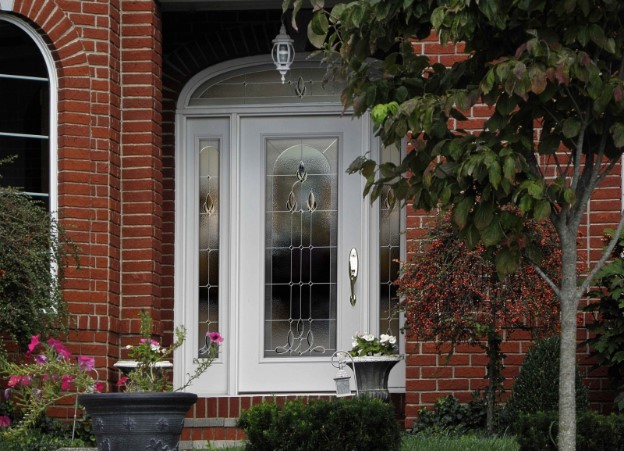

Choosing the right front door supply is no longer just a matter of curb appeal and basic function. With rising energy costs and a growing emphasis on sustainability, energy‑efficient front doors are an increasingly important component of modern homes. An energy‑efficient front door reduces heat transfer, helps maintain interior comfort, and contributes to lower utility bills. Buyers today are more informed about performance ratings, materials, and features that influence insulation and overall energy performance. In this blog, we explain what makes a front door energy efficient, the most effective material options, and how to select the right supply for long‑term value.
What Makes a Front Door Energy Efficient?
An energy‑efficient front door minimizes heat transfer between a home’s interior and exterior. Several factors contribute to this performance:
Insulation Core and Material
The core of a door affects thermal performance. Doors with insulated cores like polyurethane or polystyrene limit heat transfer, improving energy efficiency and lowering U‑Factor ratings.
Weatherstripping and Sealing
Proper weatherstripping and tight seals at jambs, thresholds, and hinges prevent drafts, reducing energy loss and ensuring your front door supply maintains stable indoor temperatures year‑round.
Glass Performance
Energy‑efficient front doors with double- or triple-pane Low‑E glass minimize heat transfer while letting in natural light, enhancing comfort without compromising style or daylight.
Energy‑Efficient Front Door Material Options
Front doors are available in a variety of materials, each with unique energy performance characteristics. Choosing the right material from a trusted front-door supplier is key to long‑term energy savings.
Fiberglass Doors
Fiberglass doors are widely recognized for excellent energy performance and durability. They resist heat transfer better than many other materials and are less likely to warp, crack, or swell over time. Many fiberglass doors available through reliable front door supply networks also include foam-insulated cores that further enhance thermal resistance. These doors can mimic wood grain while offering lower maintenance and superior weather performance.
Steel Doors
Steel doors are strong, secure, and cost-effective. When equipped with insulated cores and quality seals, steel doors can deliver very good energy performance. Steel conducts heat more readily than fiberglass, but modern manufacturing techniques use layered insulation and thermal breaks to reduce energy loss. Steel doors are often selected for their security features combined with energy efficiency.
Wood and Composite Doors
Wood doors have classic appeal, but natural wood is not the best insulator on its own. Engineered wood or composite doors combine natural aesthetics with improved insulation properties. When these doors are built with insulated cores and properly sealed joints, they perform competitively with other materials while offering rich design options.
Benefits of Energy‑Efficient Front Doors
Investing in energy‑efficient front doors from a reputable supply source brings both immediate and long‑term benefits.
Lower Energy Bills
By minimizing heat gain in summer and heat loss in winter, energy‑efficient front doors reduce the burden on heating, ventilation, and air conditioning (HVAC) systems. This translates to lower monthly energy costs and reduced wear on heating and cooling equipment.
Improved Indoor Comfort
A properly insulated front door eliminates cold drafts and surface chills near entryways, creating a consistent and comfortable indoor environment. This comfort boost is noticeable in rooms adjacent to entry points where temperature fluctuations are common.
Enhanced Home Value and Durability
Energy‑efficient doors often feature robust construction that resists warping, swelling, and weather damage. This durability enhances curb appeal and can increase home resale value. Potential buyers increasingly consider energy performance when evaluating properties.
Noise Reduction
Insulated doors also provide acoustic benefits. Better seals and dense cores block outdoor noise, making living spaces quieter and more peaceful, a feature particularly valuable in urban or high‑traffic areas.
Conclusion
Selecting the right front door involves more than picking a style. Begin by evaluating climate conditions, energy performance ratings, and material preferences. Look for products with Energy Star ratings or documented U‑Factor and Solar Heat Gain Coefficient (SHGC) values. Working with experienced window and door suppliers can help match product specifications to your home’s needs and ensure you choose the most suitable materials. They can also provide proper measurement and installation guidance, as even the best doors will underperform if fitted incorrectly. Professional fitting helps prevent air leakage, water intrusion, and operational issues.