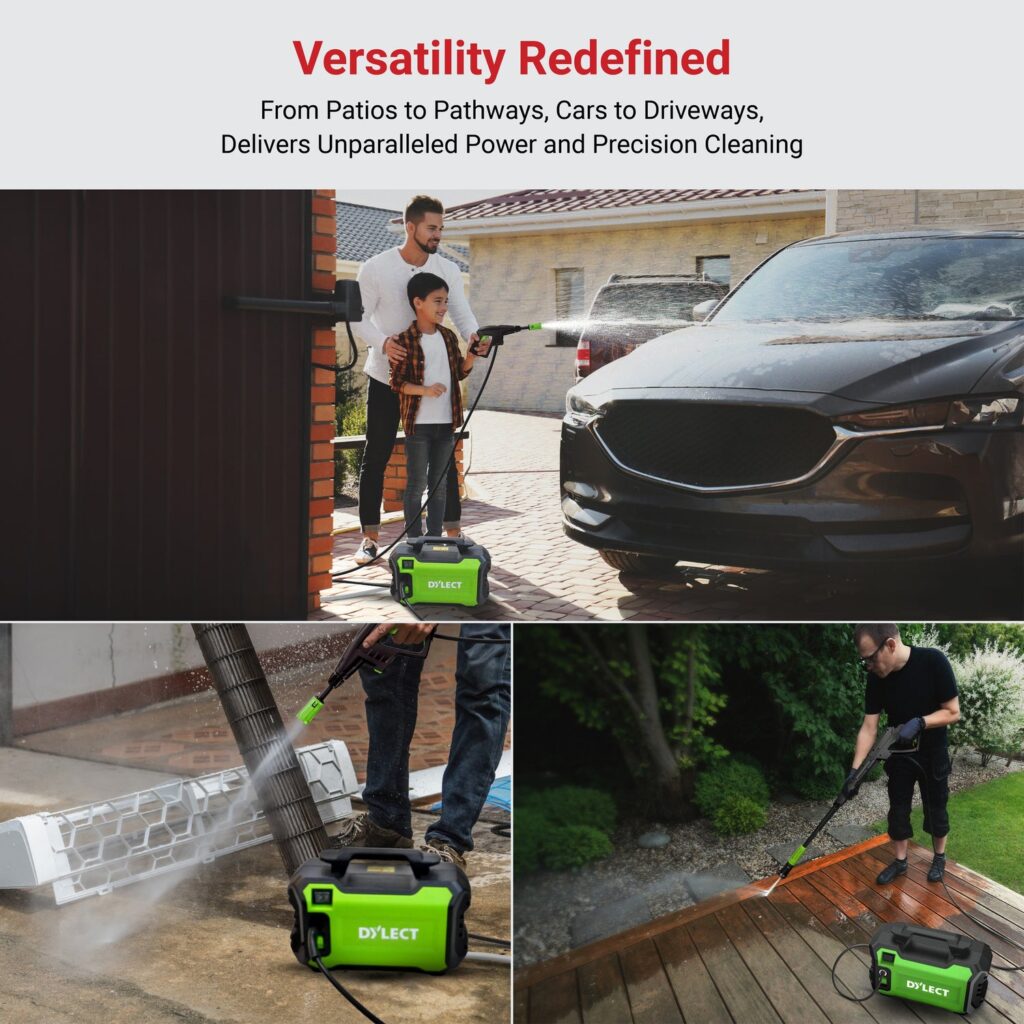

Choosing the correct PSI is one of the most important factors when using a pressure washer. Different surfaces require different levels of pressure, and using the wrong setting can either reduce cleaning effectiveness or damage the surface completely. This is especially important when comparing tough surfaces like concrete with delicate surfaces like car paint.
In this guide, we’ll explain the ideal PSI levels for both concrete and car cleaning and help you understand how to use a pressure washing machine safely and effectively.
What Does PSI Mean in Pressure Washing?
PSI stands for Pounds per Square Inch, which measures the water pressure produced by a pressure washer. A higher PSI means stronger water force and more aggressive cleaning power.
Pressure washers are commonly categorized as:
- Low PSI: Suitable for delicate surfaces
- Medium PSI: Ideal for household cleaning
- High PSI: Best for heavy-duty outdoor cleaning
The right PSI depends entirely on the type of surface and the amount of dirt or grime present.
Ideal PSI for Concrete Cleaning
Concrete surfaces are strong, durable, and capable of handling high water pressure. Areas like:
- Driveways
- Sidewalks
- Patios
- Garage floors
- Outdoor pavements
often accumulate stubborn dirt, grease, algae, moss, and oil stains that require powerful cleaning.
Recommended PSI for Concrete
For effective concrete cleaning, the recommended range is:
- 2500–3500 PSI
This pressure range helps remove deeply embedded dirt and restore the appearance of outdoor surfaces.
Why Concrete Requires Higher PSI
Concrete has a rough and porous texture, which allows dirt and contaminants to settle deep into the surface. A higher PSI helps break down:
- Hardened mud
- Oil stains
- Mold and mildew
- Tire marks
- Outdoor grime buildup
Using a pressure washing machine with high PSI reduces cleaning time and improves overall efficiency.
However, extremely high pressure should still be used carefully. Excessive pressure in one spot can create uneven marks or minor surface damage over time.
Ideal PSI for Car Cleaning
Unlike concrete, vehicles require gentle cleaning. Car paint, trim, decals, and sensors are sensitive to excessive water pressure.
Recommended PSI for Car Cleaning
The ideal PSI range for washing vehicles is:
- 1200–1900 PSI
This pressure is strong enough to remove:
- Dust and dirt
- Mud splashes
- Bird droppings
- Light road grime
while remaining safe for automotive surfaces.
Why Lower PSI Is Better for Cars
Using excessive PSI on a vehicle can lead to:
- Paint scratches
- Clear coat damage
- Water intrusion into seals
- Damage to mirrors or sensors
A moderate-pressure pressure washing machine provides effective cleaning while protecting the car’s finish. For even safer results, many users combine low PSI with foam spraying techniques.
Importance of GPM Along with PSI
While PSI measures pressure, GPM (Gallons Per Minute) measures water flow.
Both work together:
- Higher PSI breaks dirt loose
- Higher GPM washes debris away faster
For example:
- Concrete cleaning benefits from both high PSI and decent GPM
- Car washing requires balanced pressure with controlled water flow
Understanding both PSI and GPM helps improve cleaning efficiency.
Choosing the Right Nozzle for Different Surfaces
Nozzle selection is just as important as PSI settings.
Best Nozzles for Concrete
- Narrow-angle nozzles (15° or 25°)
- Surface cleaner attachments
These provide concentrated pressure for tough stains.
Best Nozzles for Cars
- Wide-angle nozzles (40° or foam nozzles)
These distribute water evenly and reduce the risk of paint damage.
Using the wrong nozzle can increase pressure impact even if the PSI is moderate.
Common Mistakes to Avoid
During Concrete Cleaning
- Holding the nozzle too close to the surface
- Using uneven spray patterns
- Applying excessive pressure continuously in one area
These mistakes can leave visible streaks or marks.
During Car Cleaning
- Using industrial-grade pressure settings
- Spraying directly at badges, seals, or sensors
- Washing under direct sunlight
These practices may affect both the appearance and condition of the vehicle.
Tips for Safe and Effective Pressure Washing
For Concrete
- Start with medium pressure and increase gradually
- Sweep debris before washing
- Use detergent for oil or grease stains
- Maintain a consistent spraying distance
For Cars
- Rinse loose dirt before applying foam
- Use automotive shampoo only
- Keep the nozzle at a safe distance
- Wash from top to bottom for better results
Following proper cleaning techniques helps achieve professional-quality results without damage.
Can One Pressure Washer Handle Both Tasks?
Yes, many modern pressure washers are designed with adjustable pressure settings and interchangeable nozzles, making them suitable for both concrete and car cleaning.
A versatile pressure washing machine allows users to:
- Switch between low and high pressure
- Use different spray angles
- Attach foam cannons and surface cleaners
This makes it practical for multiple home and vehicle cleaning applications.
Final Thoughts
The amount of PSI you need depends entirely on the surface you are cleaning. Concrete requires strong cleaning power in the 2500–3500 PSI range to remove stubborn dirt and stains, while car cleaning is much safer within the 1200–1900 PSI range.
Understanding the difference between these pressure levels helps prevent surface damage while improving cleaning performance. By choosing the correct settings, nozzles, and cleaning techniques, a pressure washing machine can become a highly effective tool for both heavy-duty outdoor cleaning and safe vehicle maintenance.