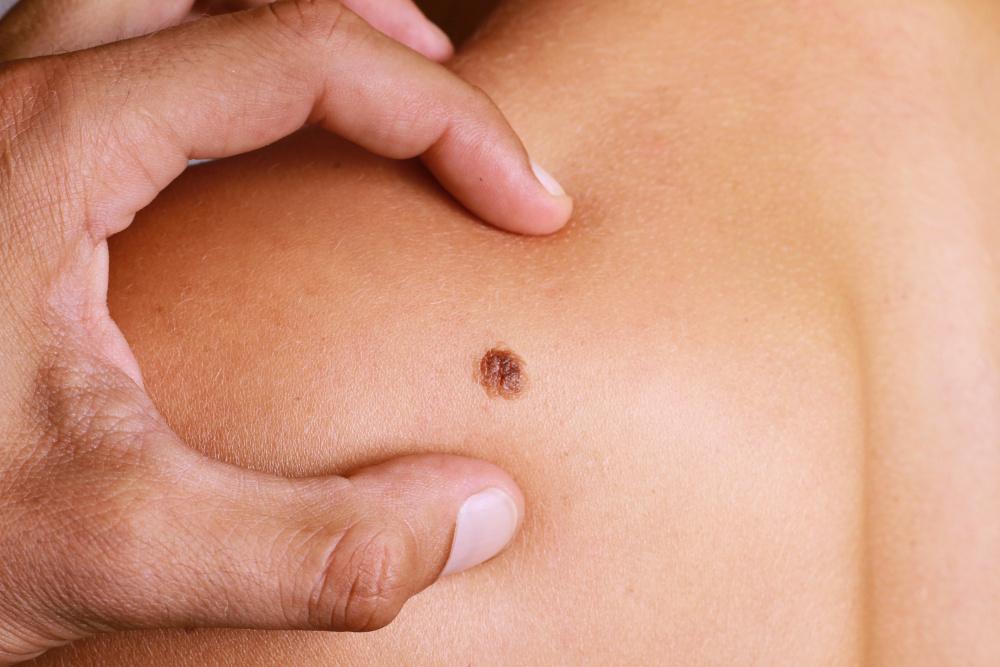

Living in Central Florida means year-round sunshine, and that constant exposure to ultraviolet rays raises the risk of developing skin cancer in Orlando. Residents spend more time outdoors than people in most parts of the country, and the cumulative effect of all that sun adds up over the years. The good news is that most forms of skin cancer are highly treatable when caught early. Learning to recognize the warning signs is one of the most effective ways to protect long-term skin health.
Skin cancer is the most common form of cancer in the United States, and it often develops slowly enough that the earliest changes are easy to overlook.
Why Central Florida Raises the Stakes
The Orlando area receives intense sun for much of the year, and ultraviolet exposure is the leading contributor to most skin cancer Orlando. People with light skin or light eyes, a personal history of precancerous or cancerous spots, or a family history of the disease face an even higher risk. Sun damage accumulates over a lifetime, which means decades of beach trips, theme park visits, golf outings, and poolside afternoons all contribute to the total.
Warning Signs Worth Watching For
The most reliable approach is to monitor the skin for changes over time. A new spot or an existing mole that begins to look different deserves attention. Some of the most important signals include:
- A sore that does not heal after several weeks
- A mole that changes in color, size, or shape
- A spot, mole, or freckle that looks different from the others on the body
- A mole that is asymmetrical, meaning the two halves would not match if folded
- Ragged, irregular, or changing borders on a mole
- A mole that is more than one color or unevenly shaded
- An extremely dark, almost black spot, especially on lighter skin
- A growth larger than a pencil eraser, though some cancerous spots are smaller
- Redness or swelling that extends beyond the edge of a mole
- A mole that suddenly becomes itchy, tender, or painful
- A spot that looks scabby, bleeds, or oozes
Melanoma in particular can show up in unexpected places, including between the fingers, on the soles of the feet, or beneath the nails. It can appear anywhere on the body, regardless of how much sun that area typically receives.
The Value of a Professional Skin Check
A monthly self-exam at home is a strong habit, but it does not replace a professional evaluation. A trained dermatologist can spot subtle changes that are difficult to notice without experience and proper tools. A professional skin check Orlando typically involves a head-to-toe scan of the entire skin surface. If a suspicious spot, patch, or mole is found, a small sample may be taken and sent to a lab to determine if it is cancerous.
Most adults benefit from an annual screening. Those with risk factors, including a history of skin cancer or precancerous lesions, are often advised to schedule a skin check every six months. Survival rates for most skin cancers are very high when the disease is identified early, which is why consistent screening is so valuable.
Smart Prevention for the Florida Lifestyle
Recognizing warning signs is only half the equation. Reducing risk in the first place is equally important, and a few consistent habits go a long way:
- Limit direct sun exposure when rays are strongest, roughly between 10 a.m. and 2 p.m.
- Wear protective clothing, a wide-brimmed hat, and sunglasses outdoors
- Apply a high-SPF mineral sunscreen and reapply every two hours or after swimming
- Avoid tanning beds entirely
- Keep infants out of direct sun
- Perform a monthly self-exam to track any new or changing spots
Taking the Next Step
Early detection saves lives, and the earliest signs of skin cancer are often quiet and easy to dismiss. Paying attention to the skin, knowing which changes warrant concern, and scheduling regular screenings together form a strong defense against a disease that affects millions of people each year. For anyone who has noticed an unusual spot or simply wants peace of mind, a professional skin check is a sensible and proactive choice. Skin health is worth protecting, and consistent awareness remains the most powerful tool available for catching problems before they become serious.