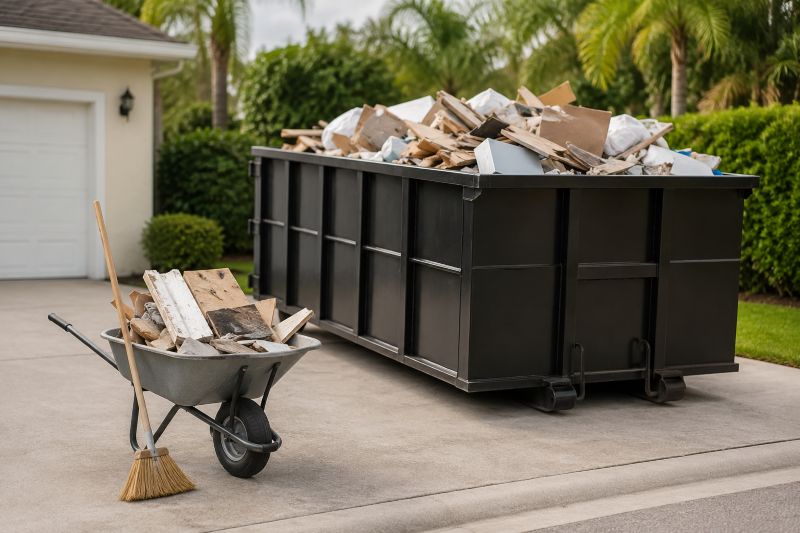

Renting a dumpster may seem simple, but small mistakes can quickly turn a convenient cleanup project into an expensive one. Whether you are clearing out a garage, renovating your kitchen, replacing a roof, or managing construction debris, understanding how dumpster rentals work can help you save money and avoid unnecessary frustration.
Many first-time renters assume that every dumpster works the same way or that they can throw away anything without restrictions. In reality, choosing the wrong size, exceeding weight limits, placing prohibited materials inside, or keeping the container longer than expected can all lead to additional charges.
If you are looking for a local dumpster rental in Cape Coral FL, knowing these common mistakes before your project begins will help you stay within budget while making waste disposal faster and more efficient. Working with an experienced company like Precision Disposal also gives you access to expert guidance that helps eliminate costly surprises.
Why Dumpster Rentals Are More Cost-Effective Than Multiple Dump Runs
Many homeowners initially believe that making several trips to the landfill is cheaper than renting a dumpster. However, this often overlooks several hidden costs, including:
- Fuel expenses
- Vehicle wear and tear
- Landfill disposal fees
- Time spent loading and unloading
- Lost productivity during the project
A dumpster placed directly on your property allows waste to be disposed of immediately, keeping the work area clean while reducing labor and transportation costs.
For remodeling projects, estate cleanouts, landscaping jobs, and roofing replacements, a dumpster rental often becomes the more practical and affordable solution.
Mistake #1: Choosing the Wrong Dumpster Size
One of the most common beginner mistakes is selecting a dumpster that is either too small or unnecessarily large.
Renting Too Small
An undersized dumpster may fill before your project is complete. This can require:
- Ordering a second dumpster
- Paying for an additional haul
- Delaying your project schedule
These extra expenses often exceed the cost of choosing the correct size from the beginning.
Renting Too Large
While having extra space sounds convenient, paying for unused capacity increases your overall project cost.
Discussing your project details with a reliable dumpster rental provider helps determine the most efficient container size based on the type and volume of debris you expect.
Mistake #2: Ignoring Weight Limits
Many first-time renters focus only on dumpster size while overlooking weight restrictions.
Heavy materials include:
- Concrete
- Brick
- Asphalt
- Dirt
- Sand
- Roofing shingles
- Stone
A dumpster that appears only half full can still exceed its weight allowance.
For example, a homeowner removing an old concrete patio may believe a standard container is sufficient. Although the dumpster is only partially filled, the concrete’s weight exceeds the included limit, resulting in overweight fees.
Understanding both volume and weight before loading helps avoid unexpected charges.
Mistake #3: Throwing Away Prohibited Materials
Dumpster companies follow local, state, and federal disposal regulations.
Certain materials cannot be placed inside a standard roll-off dumpster because they require specialized disposal methods.
Common prohibited items include:
- Paints and solvents
- Motor oil
- Batteries
- Tires
- Propane tanks
- Hazardous chemicals
- Medical waste
- Asbestos-containing materials
- Certain electronics
Improper disposal can lead to:
- Additional fees
- Landfill rejection
- Environmental violations
- Project delays
Before beginning your cleanup, ask for a list of accepted and prohibited materials.
Mistake #4: Overfilling the Dumpster
Many renters assume every available inch can be used.
However, debris should never extend above the top edge of the dumpster.
An overloaded container creates transportation hazards and may violate highway safety regulations.
If materials are stacked too high, the driver may be unable to safely transport the dumpster until excess debris is removed.
This can result in:
- Return trip charges
- Pickup delays
- Reloading labor
- Additional rental time
Keeping debris level with the top rail allows safe transportation and timely pickup.
Mistake #5: Waiting Too Long to Schedule Delivery
Dumpster availability changes throughout the year.
Demand often increases during:
- Spring cleaning season
- Summer remodeling
- Hurricane cleanup
- Large community construction projects
Waiting until the last minute can reduce available inventory or delay your preferred delivery date.
Scheduling your dumpster several days before work begins helps keep your project on schedule.
Mistake #6: Keeping the Dumpster Longer Than Necessary
Rental periods typically include a specific number of days.
Beginners sometimes underestimate how quickly projects can fall behind.
Weather delays, contractor scheduling issues, or changing renovation plans may extend the rental period.
Extra rental days can increase the final invoice.
Planning your project timeline realistically—and beginning work shortly after delivery—helps reduce unnecessary rental extensions.
Mistake #7: Placing the Dumpster in the Wrong Location
Dumpster placement affects both convenience and safety.
A poor location may:
- Block vehicles
- Restrict garage access
- Damage landscaping
- Interfere with deliveries
- Require repositioning
Whenever possible, place the dumpster on a flat, solid surface such as:
- Concrete driveway
- Asphalt driveway
- Stable construction site
Avoid placing dumpsters on soft ground after heavy rain, where sinking may occur.
Mistake #8: Mixing Different Types of Waste
Some projects generate a combination of:
- Household junk
- Construction debris
- Yard waste
- Concrete
- Roofing materials
Certain disposal facilities charge different rates depending on material type.
Separating recyclable materials and discussing mixed loads with your dumpster provider can help minimize disposal costs.
Many professional dumpster companies can recommend the most efficient approach based on your project.
Mistake #9: Forgetting About Local Permit Requirements
Not every dumpster requires a permit.
However, if the container will be placed on:
- Public streets
- Sidewalks
- Municipal right-of-way
A city permit may be required.
Homeowners sometimes overlook this step, resulting in fines or requests to relocate the dumpster.
If the dumpster will remain entirely on private property, permits are often unnecessary, though local regulations should always be confirmed.
Mistake #10: Not Asking Questions Before Renting
One of the easiest ways to avoid surprise fees is simply asking questions before delivery.
Important questions include:
What Does the Rental Price Include?
Understand whether pricing covers:
- Delivery
- Pickup
- Disposal
- Included weight
- Rental period
What Additional Fees Could Apply?
Possible extra charges include:
- Overweight loads
- Extended rentals
- Blocked pickups
- Prohibited materials
- Return trips
Knowing these details upfront makes budgeting much easier.
What Materials Are Accepted?
Each company may have different disposal guidelines depending on landfill regulations.
Always review accepted materials before loading begins.
Real-World Example: How Proper Planning Saved Money
A Cape Coral homeowner planned a complete garage cleanout before selling their home.
Initially, they considered renting the smallest available dumpster to reduce costs.
After discussing the project with an experienced rental specialist, they realized the cleanup included old shelving, damaged furniture, renovation debris, and yard waste. The recommended larger dumpster eliminated the need for a second rental.
The homeowner also received guidance on prohibited items, proper loading techniques, and scheduling pickup immediately after completing the project.
By selecting the correct size from the beginning and following disposal guidelines, they avoided additional transportation fees, overweight charges, and rental extensions while completing the cleanout in a single weekend.
Tips for Getting the Most Value From Your Dumpster Rental
Planning ahead makes every dumpster rental more efficient.
Some practical tips include:
- Estimate debris volume before ordering.
- Break down bulky items to maximize space.
- Load heavy materials evenly across the dumpster.
- Keep prohibited materials separate.
- Avoid filling above the top edge.
- Schedule delivery before your project starts.
- Complete loading within the included rental period.
- Ask about recycling opportunities when available.
These simple practices help reduce costs while improving job site safety and organization.
Why Choosing a Trusted Local Provider Matters
Working with a trusted local company offers advantages beyond simply delivering a dumpster.
An experienced provider understands:
- Local disposal regulations
- Permit requirements
- Appropriate dumpster sizing
- Material restrictions
- Scheduling logistics
- Seasonal demand
Instead of guessing which dumpster fits your project, knowledgeable staff can recommend the most practical option based on your specific cleanup needs.
For homeowners and contractors alike, this level of guidance often prevents expensive mistakes while making projects run more smoothly.
Conclusion
Renting a dumpster for the first time does not have to be complicated. Most unexpected fees can be avoided with careful planning, proper loading, and a clear understanding of rental policies. From selecting the right container size to respecting weight limits and prohibited material guidelines, each step contributes to a safer, more efficient cleanup.
If you need a local dumpster rental in Cape Coral FL, working with an experienced provider like Precision Disposal helps ensure your project stays on schedule and within budget. With knowledgeable recommendations, dependable service, and transparent rental guidance, you can focus on completing your project instead of worrying about unexpected costs.