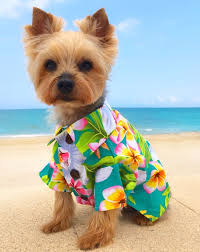

As the winter months approach, keeping your furry friend warm and comfortable becomes a top priority. While humans can layer up with coats, scarves, and boots, dogs—especially small breeds, puppies, or senior dogs—often need extra protection against the cold. Dog clothes for winter are not just a fashion statement; they are essential for maintaining your pet’s health and comfort during chilly weather. From sweaters and jackets to insulated coats and boots, choosing the right winter clothing ensures your dog stays cozy, safe, and stylish.
Why Dog Clothes for Winter Are Important
Cold weather can affect dogs differently depending on their breed, size, age, and coat type. While thick-coated breeds like Huskies or Malamutes tolerate cold well, short-haired or small breeds can experience discomfort, shivering, or even hypothermia. Dog clothes for winter provide:
-
Warmth: Protects your dog from low temperatures and wind chill.
-
Health Benefits: Prevents hypothermia, frostbite, and cold-related illnesses.
-
Comfort: Keeps dogs active and happy during walks or outdoor play.
-
Style and Visibility: Many winter dog clothes include reflective strips for safety and fashionable designs.
Investing in quality winter clothing ensures your dog enjoys outdoor activities without the risk of cold exposure.
1. Consider Your Dog’s Breed and Coat
Not all dogs need the same level of protection. When selecting dog clothes for winter:
-
Short-haired or Small Breeds: Breeds like Chihuahuas, Dachshunds, and Greyhounds are more susceptible to cold and benefit from thick sweaters or insulated jackets.
-
Medium or Long-haired Breeds: Labradors or Golden Retrievers may only need light layers during mild winters.
-
Senior Dogs and Puppies: Extra warmth is crucial as older dogs and young puppies have lower body heat regulation.
Understanding your dog’s natural coat helps you choose clothing that provides the right balance of warmth and mobility.
2. Choose the Right Fabric
Fabric plays a major role in keeping your dog warm during winter. Consider the following options:
-
Fleece: Soft, lightweight, and warm—ideal for sweaters or inner layers.
-
Wool: Excellent insulation, though some dogs may find it itchy.
-
Quilted or Padded Materials: Provide windproof and water-resistant protection, perfect for jackets or coats.
-
Waterproof Materials: Essential for snowy or wet conditions to prevent dampness and cold exposure.
Always choose breathable fabrics that allow movement while maintaining warmth. Layering light sweaters under insulated coats can also provide maximum protection.
3. Ensure Proper Fit and Comfort
Proper sizing is critical when selecting dog clothes for winter. Clothes that are too tight can restrict movement, while loose garments may slide off or get caught during play. Tips for a perfect fit:
-
Measure your dog’s chest, neck, and back length before buying.
-
Check the size chart provided by the manufacturer.
-
Ensure the clothing allows your dog to walk, run, and sit comfortably.
-
Avoid designs with tight elastic bands around the neck or legs that may irritate the skin.
Comfortable winter clothing encourages dogs to wear them without fuss.
4. Consider Jackets, Sweaters, and Boots
A complete winter outfit for dogs may include multiple elements:
-
Sweaters: Great for indoor warmth or mild winter days. Ideal for layering under jackets.
-
Insulated Jackets: Thick, padded jackets are perfect for walks in freezing temperatures. Look for jackets with windproof and waterproof properties.
-
Boots or Paw Protectors: Snow, ice, and salt can hurt sensitive paw pads. Boots protect paws while improving traction.
-
Hoodies and Scarves: Optional accessories that provide extra warmth around the neck and head.
Choosing the right combination depends on your climate, your dog’s tolerance to cold, and the activity level.
5. Prioritize Safety Features
Dog clothes for winter should include safety features to protect your pet:
-
Reflective Strips or Bright Colors: Improve visibility during early morning or evening walks.
-
Secure Fastenings: Velcro, snap buttons, or zippers should be secure but not restrictive.
-
Non-slip Soles for Boots: Prevent slipping on ice or wet surfaces.
Safety ensures that your dog enjoys winter activities without accidents or injuries.
6. Easy to Clean and Maintain
Winter clothing can get muddy, wet, or snowy quickly. Choose dog clothes that are:
-
Machine-washable for easy cleaning
-
Quick-drying to prevent dampness
-
Durable to withstand regular wear and outdoor adventures
Maintaining clean, dry clothing keeps your dog warm, comfortable, and healthy.
7. Introduce Winter Clothes Gradually
Some dogs may resist wearing clothing initially. To ensure a smooth transition:
-
Introduce clothes indoors before outdoor use.
-
Allow your dog to sniff, touch, and explore the garments.
-
Use positive reinforcement, treats, or praise when they wear clothes.
-
Start with light layers and gradually add jackets or boots.
Patience and gradual exposure make wearing winter clothes a positive experience for your dog.
8. Monitor Your Dog’s Comfort
Even with proper clothing, it’s important to observe your dog during winter:
-
Watch for shivering or reluctance to move outdoors.
-
Check paws and skin for signs of irritation from boots or jackets.
-
Remove wet clothing promptly to prevent chills or hypothermia.
Adjust the layers based on your dog’s activity, age, and tolerance to cold.
Final Thoughts
Dog clothes for winter are more than a fashion accessory—they are essential for keeping your dog warm, comfortable, and healthy. By considering your dog’s breed, coat, and activity level, choosing appropriate fabrics, ensuring a proper fit, and prioritizing safety features, you can provide the best protection during cold weather. From cozy sweaters and insulated jackets to paw boots and reflective accessories, winter clothing allows your dog to enjoy the season safely and happily.
With the right winter wardrobe, your furry friend can stay warm, active, and stylish all season long.