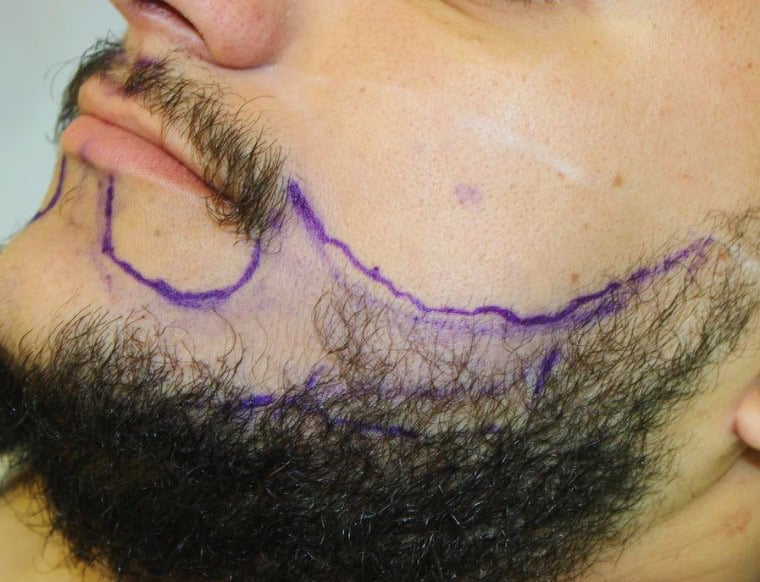

The decision to undergo a beard hair transplant is a significant step for anyone looking to enhance their facial hair. It is natural to have questions about the final results and the recovery process. One of the most common concerns men have is whether this procedure will leave noticeable marks on their skin. Understanding what happens during the process and how the body heals can provide a clear picture of what to expect regarding scarring.
Understanding the Beard Hair Transplant Procedure
A Beard Hair Transplant in Dubai is a meticulous procedure designed to redistribute hair follicles to areas of the face where growth is sparse or uneven. The process involves two primary stages: the removal of hair follicles from a donor site and their careful implantation into the recipient areas on the beard.
The Donor Area: Where Hair is Taken From
The back and sides of the scalp are typically chosen as the donor site. Hair in this region is genetically programmed to be more resistant to thinning, making it an ideal source for transplantation. To remove the follicles, a surgeon uses a precise method that involves extracting individual follicular units. This technique focuses on preserving the natural appearance of the donor area and promoting efficient healing.
The Recipient Area: Where Hair is Implanted
Once the follicles are collected, they are meticulously placed into tiny incisions made in the beard area. These incisions are created with great care to follow the natural angle and direction of existing facial hair. This attention to detail ensures that the new growth looks entirely natural and blends seamlessly with any native hair.
The Reality of Scarring from a Beard Transplant
The question of scarring is a valid one. Any procedure that involves making incisions in the skin will result in some form of healing, and scars are a natural part of that process. The good news is that with modern techniques, any marks left behind are typically minimal and well-concealed.
Scarring in the Donor Area
Because the extraction method is so precise, the donor area heals with tiny dots that are barely perceptible. As the hair in the back and sides of the scalp grows back, it easily covers these minute marks. For someone with shorter hair, these tiny dots may be temporarily visible during the first few weeks of healing, but they usually fade significantly over time and become undetectable beneath the surrounding hair.
Scarring in the Recipient Beard Area
In the beard area itself, the incisions made for implantation are incredibly small and shallow. When performed correctly, these micro-incisions heal rapidly. The new beard hair will grow directly from these sites, effectively concealing any minute healing痕迹. The goal is for the transplanted hair to look so natural that any evidence of a procedure is completely hidden by the hair itself. The healing process results in very faint marks that are not noticeable, even up close.
Factors That Influence the Healing Process
How well the skin heals and the final appearance of any scarring can depend on several individual factors. While the technique is crucial, the body’s own healing response plays a significant role.
Individual Skin Type and Healing Ability
Everyone’s skin is different. Some individuals naturally heal with very faint marks, while others may be more prone to visible scarring. A person’s overall health and genetic predisposition can influence how their skin responds to the tiny incisions made during the procedure.
The Surgeon’s Technique and Precision
The skill and precision involved in the procedure are paramount. A meticulous approach to creating incisions and handling the follicles ensures that trauma to the skin is minimized. This careful technique supports cleaner healing and reduces the likelihood of any noticeable marks.
What to Expect During Recovery
The recovery journey is a process, and it is helpful to know what the skin will look like at different stages. Initially, there will be some small scabs or crusts around the newly implanted hairs. This is a normal part of healing. These tiny scabs typically fall off on their own within a week or so, revealing the skin beneath.
For a short time after the scabs are gone, the recipient area might have a slightly pink or red appearance. This is temporary and will fade over the following weeks. Any small marks in the donor area will also gradually diminish. As the transplanted hair sheds and then begins to grow anew, it will progressively cover the area, making any healing痕迹 less and less visible.
Long-Term Visibility of Scars
In the long run, the aim is for any scarring to be virtually invisible. The transplanted hair provides excellent coverage for the recipient area. In the donor area, the surrounding natural hair performs the same function. For the vast majority of men, the results are a fuller, more defined beard with no tell-tale signs of how it was achieved. The tiny marks left behind are a small trade-off for the significant and permanent improvement in facial hair.
FAQs
Are the scars from a beard transplant permanent?
Any mark left on the skin is technically permanent, but they fade significantly over time. With proper healing, they become very faint and are easily concealed by hair.
Will people be able to see that I had a transplant?
When the procedure is performed with attention to natural detail, the results are indistinguishable from natural hair growth. The transplanted hair grows in the same direction and texture as your natural beard, so it looks completely natural.
How long does it take for the redness to go away?
The initial redness around the transplanted area typically subsides within a week or two. Any residual pinkness usually fades over the following month.
Does the donor area look different after healing?
The donor area heals with tiny dots that are hidden by the surrounding hair. For someone with very short hair, these might be faintly visible up close during the first few months, but they become unnoticeable as the hair grows back.
Is the procedure painful when it comes to scarring?
The procedure itself is performed under anesthesia, so there is no pain during the process. During healing, there might be mild tenderness, but significant pain related to scarring is uncommon.
Book Us
If you are considering enhancing your beard and want to learn more about the process and the natural-looking results that can be achieved, we invite you to schedule a consultation. At Enfield Royal Clinic Dubai, our focus is on providing meticulous care and natural results, ensuring your experience is a positive one from the initial discussion through to your final results. We are here to answer all your questions and guide you on your journey to the beard you have always wanted.