
Minor dents and small panel damage are part of everyday driving. Even careful drivers eventually encounter tight parking spaces, unpredictable weather, or minor bumps that leave visible marks on a vehicle. While these imperfections may seem cosmetic, they often lead owners to research repair methods, compare techniques, and look for ways to restore a vehicle without unnecessary cost or downtime. One method that increasingly appears in these searches is paintless dent removal, a repair approach designed to address minor dents while preserving the original finish.
Understanding how dents occur, what happens if they are ignored, and how modern repair methods work helps drivers make informed decisions rather than reacting impulsively after damage appears.
Why Minor Vehicle Damage Happens More Often Than Drivers Expect
Vehicles are exposed to a wide range of everyday risks. Modern urban environments involve dense traffic, limited parking, and frequent short trips. These conditions increase the likelihood of minor panel damage. Unlike major accidents, these incidents are often subtle, occurring at low speeds or when the vehicle is stationary.
Many drivers only notice a dent days or weeks later, especially when lighting conditions change or the vehicle is washed. This delayed discovery often prompts online research, where people begin comparing repair techniques and learning about paintless dent removal as one possible solution.
For readers interested in contributing similar informational articles about everyday topics, platforms that support open publishing—such as the guide available here: https://www.postscontent.com/post-new-article/ offer a way to share practical knowledge with wider audiences.
The Most Common Causes of Minor Vehicle Dents
Parking Lot Incidents
Parking areas remain one of the most common places where dents occur. Car doors opened too widely, shopping trolleys rolling in the wind, or drivers manoeuvring in tight spaces can easily leave small indentations. These incidents rarely involve high impact, but they are frequent enough that most vehicle owners encounter them at some point.
Because parking damage typically affects flat panels such as doors or guards, it is often the type of dent that prompts people to investigate paintless dent removal methods.
Weather and Environmental Factors
Weather is another major contributor to minor vehicle damage. Hailstorms, falling branches, and wind-blown debris can leave clusters of small dents across panels. Even light hail may create multiple shallow indentations that are noticeable in sunlight but do not always break the paint surface.
These types of dents often lead drivers to research repair options quickly, particularly if multiple vehicles in a neighbourhood are affected at once.
Everyday Urban Driving Risks
Driving in narrow streets or reversing in confined areas also increases the risk of small impacts. Contact with bins, posts, or low barriers may not cause severe damage, but the resulting dents can still be visible and frustrating. Because these incidents occur at low speed, the paint often remains intact, making alternative repair approaches worth considering.
What Happens When a Dent Is Left Unrepaired
A minor dent may seem harmless at first, but leaving it unattended can have consequences over time. Even small imperfections may affect resale value, as buyers often associate visible damage with poor maintenance.
If the paint surface has been slightly compromised, moisture may eventually reach the underlying metal, increasing the risk of corrosion. In many cases, the dent itself is the first stage of a larger problem that develops gradually rather than immediately.
There is also the psychological aspect of vehicle ownership. Drivers often report that once they notice a dent, they begin seeing it every time they approach the vehicle. This persistent visibility is one reason people begin researching repair techniques soon after discovering damage.
Understanding Modern Repair Options
Traditional Panel Beating and Repainting
Traditional repair methods typically involve sanding, filling, and repainting the damaged area. This approach remains necessary for deep dents, sharp creases, or damage where the paint has been heavily chipped or cracked.
While effective, repainting can involve longer repair times and the challenge of colour matching, particularly on older vehicles where paint may have faded.
How Paintless Dent Removal Works
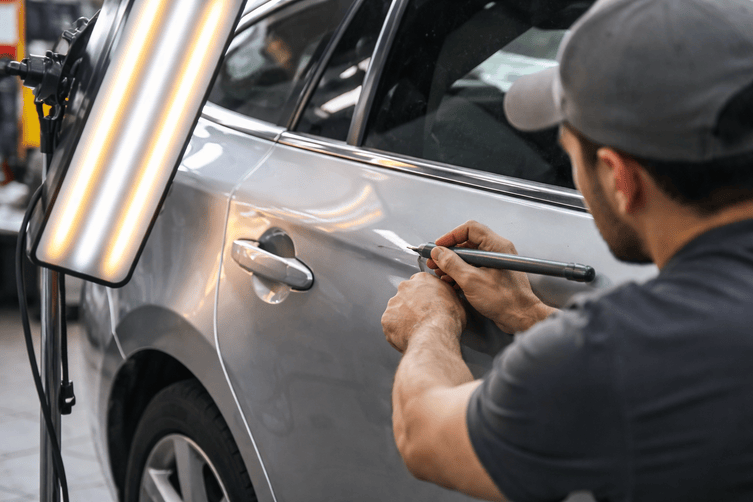
Paintless dent removal is a technique that reshapes a damaged panel from behind or from the surface using specialised tools. By carefully applying pressure and restoring the metal to its original contour, technicians may remove dents without repainting, provided the paint layer remains intact and the damage meets certain criteria.
Because the original finish is preserved, this method is often discussed in online guides and automotive forums as an alternative for minor dents. Readers who want to see examples of how technicians carry out this process sometimes review resources about paintless dent removal in Sydney to gain a clearer picture of how the technique is applied in real repair scenarios.
When Paintless Dent Removal May Be Suitable
Size and Depth of the Dent
Shallow dents without sharp edges are often the most suitable candidates for paintless dent removal. The flexibility of modern vehicle panels allows gradual reshaping when damage is not severe.
Condition of the Paint Surface
The condition of the paint plays a major role in determining whether the method may be appropriate. If the paint is cracked or missing, conventional repairs are usually required to restore the protective coating.
Location on the Vehicle Panel
Accessibility is another factor. Panels that allow tool access from behind are generally easier to repair using paintless techniques. Dents near edges, structural reinforcements, or complex curves may require alternative approaches.
Material Considerations
Modern vehicles use a mix of steel and aluminium panels. Both materials may be repaired using paintless dent removal in many cases, although the process and difficulty may vary depending on panel thickness and design.
Preventing Minor Vehicle Damage Where Possible
Smart Parking Habits
Choosing parking spaces at the outer edges of car parks may reduce the likelihood of door impacts. While this may not eliminate risk entirely, it lowers exposure to heavy foot traffic and trolley movement.
Protecting Your Vehicle During Severe Weather
Covered parking, carports, or temporary hail covers may help reduce exposure during storms. While not always practical, these measures may minimise the severity of damage.
Regular Visual Checks
Routine inspections while washing or refuelling allow drivers to identify dents early. Early detection often broadens the range of repair options available.
Why Drivers Research Repair Methods Online More Than Ever
The way people approach vehicle maintenance has changed significantly. Rather than relying solely on word-of-mouth recommendations, many drivers now begin with online research. They compare repair techniques, read educational articles, and look for examples of completed work before deciding what to do next.
Publishing platforms play a significant role in this process by hosting informative articles written by contributors who share practical knowledge. Writers interested in sharing similar insights about automotive care or other everyday topics may review submission guidelines here:
https://www.postscontent.com/post-new-article/
Articles that explain concepts clearly and avoid promotional language often attract readers who are genuinely trying to learn, rather than those searching for advertising.
Making Informed Choices About Minor Vehicle Repairs
Minor dents are an almost unavoidable part of vehicle ownership, especially in urban environments. Understanding the causes of damage, recognising when repairs may be beneficial, and learning about available techniques helps drivers make decisions calmly rather than reacting under pressure.
Paintless dent removal has gained attention because it addresses certain types of damage efficiently while preserving the original finish, but like any repair method, it is most effective in specific circumstances. The key is to assess the type of dent, the condition of the paint, and the desired outcome before proceeding.
By taking time to research and compare options, drivers are more likely to choose a repair method that suits both their vehicle and their budget.