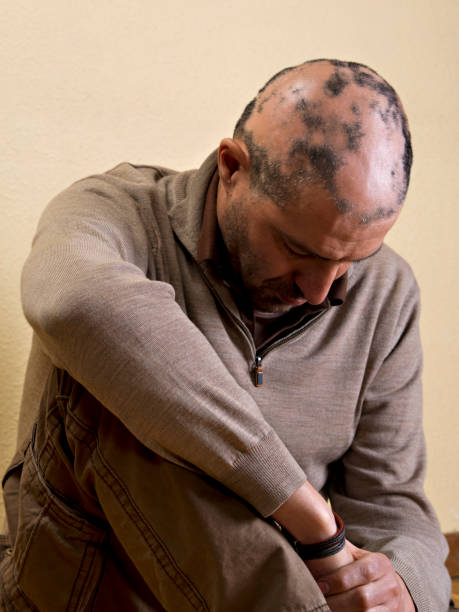

The sudden appearance of smooth, circular bald patches is a jarring experience that often triggers immediate psychological distress and a frantic search for answers. While the underlying cause of Alopecia Areata is an autoimmune response where the body’s immune system mistakenly attacks hair follicles, the path to restoration is often clouded by “miracle cures” and vague medical jargon. Alopecia Areata Treatment in Dubai has advanced significantly, moving toward personalized protocols that combine anti-inflammatory interventions with aesthetic camouflage. Understanding the biological timeline of the condition and the sensory reality of the treatments is essential for any patient looking to move from a state of reactive anxiety to proactive, informed management of their hair health.
How Do Doctors Diagnose Active Autoimmune Hair Loss?
What are the clinical signs that distinguish Alopecia Areata?
Clinical diagnosis typically involves a physical examination of the patches and a “pull test” at the margins of hair loss. In clinical settings, we observe that active patches often feature “exclamation point hairs”—strands that are narrower at the base than at the tip. Dermatologists may also utilize trichoscopy to visualize the scalp at high magnification, looking for yellow dots (keratin plugs) or black dots (destroyed hairs). Identifying whether the condition is in an active “spreading” phase or a “dormant” phase is the critical first step in determining which treatment protocol will be most effective for the patient’s specific immune profile.
Is Corticosteroid Therapy the Only Medical Solution?
How do different treatments compare in speed and efficacy?
While corticosteroids remain a foundational treatment, they are not the only option. Treatment choice depends on the extent of the loss and the patient’s lifestyle.
| Treatment Type | Primary Mechanism | Recovery Time | Patient Effort |
| Intralesional Injections | Localized immune suppression | 24 hours (minor swelling) | Monthly clinic visits |
| Topical Immunotherapy | Controlled allergic reaction | 3–5 days (itching/redness) | Weekly applications |
| Oral JAK Inhibitors | Systemic immune signaling block | No physical downtime | Daily medication |
| Scalp Micropigmentation | Aesthetic follicle simulation | 2–4 days (minor redness) | 3 sessions total |
What Do Intralesional Injections Actually Feel Like?
What are the real sensations during a scalp injection session?
Patients often report that the sensation of intralesional corticosteroid injections is far less intimidating than the concept of “needles in the scalp.” The procedure involves a very fine-gauge needle delivering tiny amounts of medication directly into the dermis of the bald patch. Most patients describe a localized “pinch” followed by a brief “burning” or “pressure” sensation as the fluid enters the tissue. Because the scalp is relatively thick, the discomfort is fleeting, usually lasting only 2–3 seconds per injection site. In clinical settings, we observe that the most sensitive areas are the temples and the nape of the neck, whereas the crown is often less reactive.
“I was terrified of the needles, but the doctor used a cooling spray first. It felt like tiny bee stings that went away almost instantly. I didn’t even need a painkiller afterward, just felt a bit of tightness for an hour.”
— Layla
Who Should Avoid Certain Alopecia Treatments?
Are there specific safety considerations for these procedures?
Not every patient is a candidate for every treatment. Safety protocols are determined by the patient’s overall health and the stability of their condition.
-
Topical Sensitizers: Individuals with a history of severe eczema or extremely sensitive skin should avoid aggressive topical immunotherapy, as it can cause localized blistering or chronic dermatitis.
-
Systemic Medications: JAK inhibitors and oral steroids are generally avoided in patients with active infections, a history of blood clots, or compromised liver and kidney function.
-
Active Inflammation: Aesthetic treatments like micropigmentation should be deferred if the scalp is currently experiencing an active flare-up characterized by redness, itching, or burning.
-
Pregnancy: Most medical interventions for Alopecia Areata are contraindicated during pregnancy and breastfeeding due to potential systemic absorption of corticosteroids or immunomodulators.
What is the Realistic Recovery Timeline After Treatment?
How long does it take for the scalp to heal and hair to grow?
Recovery is two-fold: the healing of the skin and the biological timeline of hair regrowth. Based on post-procedure follow-ups, the skin usually returns to a baseline state within 24 to 48 hours following injections. However, the hair follicle requires significant time to move from the resting (telogen) phase back into the growth (anagen) phase. Patients should not expect to see “fuzz” or regrowth for at least 4 to 8 weeks after the initial treatment. In clinical settings, we observe that the first regrown hairs are often “vellus” hairs—fine, colorless strands that eventually regain their natural pigment and texture over subsequent months.
How Does Scalp Micropigmentation Support Alopecia Patients?
Can SMP be used alongside medical treatments?
Scalp Micropigmentation (SMP) is an excellent secondary “fix” for patients who have stable patches or those who want to camouflage the contrast between hair and skin while waiting for regrowth. In our clinical observations, the psychological relief provided by “masking” the patches allows patients to be more patient with their medical treatments. SMP mimics the appearance of real hair follicles using specialized pigments. It does not interfere with the hair follicle’s ability to regrow, making it a safe, non-surgical aesthetic partner to traditional medical therapies.
Technology Specifics: How Practitioners Adjust Intensity
How is treatment customized for different scalp types?
Information gain in alopecia care comes from understanding that the scalp’s thickness and vascularity vary by individual. During injection therapy, practitioners must adjust the depth of the needle (typically 2mm to 4mm) to ensure the medication reaches the mid-dermis where the follicles reside. If the injection is too shallow, it may cause skin thinning (atrophy); if too deep, it is less effective. Similarly, when using aesthetic camouflage like SMP, the motor speed (RPM) of the device is adjusted based on skin resistance. Thicker, more fibrous scalps require a higher frequency to ensure clean pigment deposition, while thinner, more delicate skin requires a softer touch to prevent “ink migration.”
“I had a large patch at the back that wouldn’t fill in despite sprays and creams. The clinic suggested a combined approach. Once the ‘shadow’ was filled in with pigment, I stopped checking the mirror every ten minutes. It took the pressure off my recovery.”
— Omar
Honest Answers to Common Alopecia Questions
Is Alopecia Areata treatment permanent?
There is currently no permanent “cure” for the underlying autoimmune condition, but treatments can effectively induce remission and regrow hair. Alopecia is often cyclical; some patients have one episode and never another, while others may experience periodic flares throughout their lives.
Will the regrown hair be a different color?
It is very common for regrown hair to initially appear white or gray. This is because the pigment-producing cells (melanocytes) often take longer to “wake up” than the hair-producing cells. In most cases, the natural color returns within a few growth cycles.
Can I dye my hair while undergoing treatment?
In clinical settings, we advise patients to wait at least 7 days after scalp injections before applying chemical dyes. The scalp needs time to close the micro-entry points from the needles to prevent irritation or chemical absorption.
Does stress cause Alopecia Areata?
While stress is not the primary cause (which is genetic and autoimmune), it is widely recognized as a “trigger” that can worsen or initiate a flare-up. Managing systemic stress is a vital component of a long-term treatment plan.
Are there side effects to scalp injections?
The most common side effect is temporary “skin denting” or atrophy at the injection site. This occurs when the corticosteroid thins the local fat layer. In our clinical experience, these dents usually resolve on their own within 3 to 6 months.
Why Choose Tajmeels Clinic
Managing an autoimmune condition requires a delicate balance of clinical expertise and patient empathy. At Tajmeels Clinic, we recognize that every case of Alopecia is unique, and a “one-size-fits-all” approach often leads to frustration. Our practitioners prioritize Alopecia Areata Treatment in Dubai by integrating advanced diagnostic tools with a diverse range of therapeutic options, from medical-grade injections to high-precision aesthetic camouflage. We focus on the “Information Gain” of your specific condition—analyzing your scalp’s health, your hair’s growth cycle, and your lifestyle needs to create a sustainable roadmap for recovery. By choosing a clinical environment that understands the sensory and psychological reality of hair loss, you gain a partner dedicated to restoring both your hairline and your confidence.