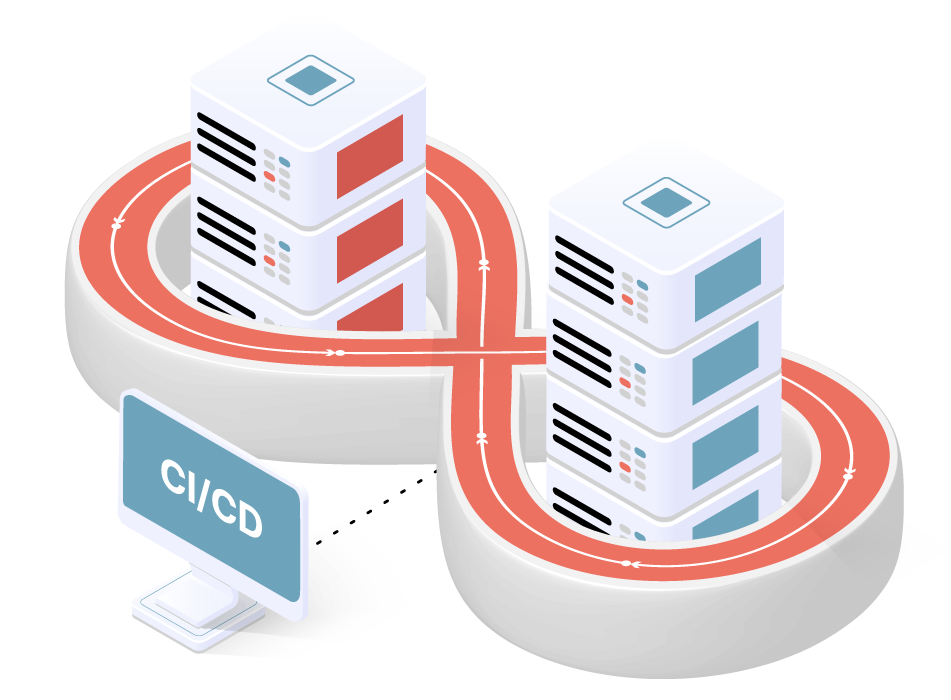

The demand for scalable, reliable, and efficient infrastructure management has increased significantly as organizations continue adopting cloud-native technologies and automated deployment workflows. Businesses are increasingly leveraging Infrastructure as Code (IaC), continuous integration, and continuous delivery systems to improve operational consistency and accelerate software releases. One important advancement in this area involves automating Terraform state management via GitHub Actions OIDC authentication, which helps organizations streamline infrastructure operations while enhancing workflow efficiency through modern authentication and automation techniques.
As infrastructure environments become larger and more complex, organizations require standardized processes that support collaboration, maintain consistency, and reduce manual administration. Combining Infrastructure as Code with advanced CI/CD workflows creates a powerful foundation for managing modern digital ecosystems.
The Evolution of Infrastructure Automation
Infrastructure management has evolved from manual server configuration to fully automated provisioning systems driven by code. Modern organizations rely on automation frameworks to define infrastructure requirements, deploy resources, and manage environments consistently across development, testing, and production stages.
Infrastructure as Code allows teams to represent infrastructure configurations as version-controlled files. This approach ensures repeatability, traceability, and consistency across all deployment environments.
By treating infrastructure similarly to application code, organizations can apply software engineering principles such as testing, collaboration, and version control to infrastructure operations.
Benefits of Infrastructure as Code
Infrastructure as Code offers numerous advantages:
- Consistent environment provisioning
- Simplified infrastructure replication
- Improved operational visibility
- Enhanced collaboration between teams
- Faster deployment cycles
- Easier infrastructure maintenance
These benefits help organizations maintain reliable and scalable environments while supporting rapid innovation.
Understanding Terraform in Modern Cloud Environments
Terraform has become one of the most widely adopted Infrastructure as Code tools because of its ability to manage resources across multiple cloud providers and platforms using a unified configuration language.
With Terraform, administrators define infrastructure components such as virtual machines, networking resources, databases, and storage systems through declarative configuration files. Terraform then determines the required actions needed to achieve the desired infrastructure state.
This approach simplifies cloud resource management and enables organizations to deploy consistent environments repeatedly.
Declarative Infrastructure Management
Declarative infrastructure management focuses on defining the desired outcome rather than manually specifying every operational step. This model improves predictability and allows infrastructure changes to be tracked and reviewed before deployment.
Organizations benefit from improved governance and more structured infrastructure operations.
The Role of CI/CD in Infrastructure Operations
Continuous Integration and Continuous Delivery have become essential practices for managing modern software and infrastructure environments. CI/CD pipelines automate repetitive processes such as validation, testing, deployment, and configuration management.
When Infrastructure as Code is integrated into CI/CD pipelines, infrastructure changes can follow the same disciplined workflow as application code changes. This improves consistency and supports more agile infrastructure management practices.
Automated Infrastructure Workflows
Automated workflows allow teams to:
- Validate configuration changes automatically
- Apply infrastructure updates consistently
- Reduce manual operational tasks
- Improve deployment accuracy
- Accelerate delivery timelines
Automation creates a more reliable operational environment while supporting organizational scalability.
GitHub Actions as an Automation Platform
GitHub Actions has emerged as a powerful automation platform that enables organizations to define workflows directly within source code repositories. These workflows can execute a wide range of tasks including testing, deployment, infrastructure provisioning, and application delivery.
The close integration between code repositories and automation workflows simplifies management and improves collaboration among development and operations teams.
Streamlining DevOps Processes
GitHub Actions supports event-driven automation, allowing workflows to trigger automatically when code changes occur. This capability enhances efficiency by ensuring that infrastructure and application updates move through predefined validation and deployment stages.
Organizations benefit from faster feedback loops and more predictable deployment processes.
Cloud-Native Development and Infrastructure Scalability
Cloud-native architectures emphasize scalability, resilience, and operational flexibility. As businesses continue migrating workloads to cloud environments, automation becomes increasingly important for managing infrastructure growth.
Infrastructure automation enables organizations to provision resources dynamically, respond to changing demands, and maintain consistent configurations across distributed environments.
Supporting Dynamic Workloads
Automated infrastructure systems allow resources to scale efficiently in response to application requirements. This flexibility supports business growth while maintaining operational efficiency.
Cloud-native environments particularly benefit from automation because resources can be created, updated, and managed through code-driven workflows.
Authentication and Security in Automated Systems
Modern automation platforms increasingly emphasize secure authentication methods that support scalable operations while simplifying credential management.
Advanced authentication mechanisms enable workflows to access required resources securely while maintaining streamlined deployment processes. These capabilities help organizations build reliable automation pipelines that integrate seamlessly with cloud services and infrastructure platforms.
Secure Access Management
Secure access management improves operational governance by ensuring that automation systems interact with infrastructure resources through well-defined authorization mechanisms.
Organizations benefit from improved control over infrastructure operations while maintaining efficient automation workflows.
Collaboration Through Shared Infrastructure Standards
As infrastructure teams grow, collaboration becomes increasingly important. Shared standards and reusable automation components help teams work efficiently while maintaining consistency across projects.
Version-controlled infrastructure definitions create a centralized source of truth that allows multiple contributors to collaborate effectively.
Encouraging Team Alignment
Shared workflows encourage alignment between development, operations, and platform engineering teams. This improves communication and helps organizations maintain consistent deployment practices.
Collaboration becomes especially valuable in large enterprises where multiple teams contribute to infrastructure management activities.
The Importance of Modular CI/CD Design
As automation systems become more sophisticated, maintaining organized and reusable workflows becomes a key objective. Modular pipeline design allows organizations to break complex processes into smaller, reusable components.
This approach simplifies maintenance while supporting scalability across multiple projects and environments.
Advantages of Modular Pipelines
Modular CI/CD structures offer several benefits:
- Improved workflow reusability
- Easier maintenance
- Faster onboarding for new team members
- Consistent deployment practices
- Enhanced scalability
These characteristics help organizations build sustainable automation ecosystems.
Building Enterprise-Ready Automation Frameworks
Enterprise environments often require automation frameworks capable of supporting numerous applications, teams, and deployment targets. Standardized workflow structures help ensure consistency across large-scale operations.
Organizations benefit from establishing governance policies, reusable automation templates, and centralized operational standards.
Consistency Across Multiple Projects
Standardized automation frameworks ensure that projects follow similar deployment patterns regardless of application type or business unit.
This consistency reduces operational complexity while improving deployment predictability.
Infrastructure Observability and Operational Transparency
Observability plays an increasingly important role in modern infrastructure operations. Automated systems generate valuable information that helps teams understand deployment activity, resource utilization, and workflow performance.
Organizations can use observability data to optimize processes, improve efficiency, and maintain visibility into complex infrastructure environments.
Enhancing Monitoring Capabilities
Integrated monitoring solutions provide insights into automation workflows, allowing teams to track execution status and identify opportunities for improvement.
Better visibility supports more informed operational decisions and contributes to overall infrastructure reliability.
Scaling DevOps Operations Across Organizations
As organizations expand, their DevOps practices must evolve to support larger infrastructures and more complex workflows. Scalable automation frameworks help maintain consistency while enabling teams to manage increasing operational demands.
Automation serves as the foundation for sustainable growth by reducing manual effort and improving deployment efficiency.
Supporting Organizational Growth
Scalable automation practices allow businesses to adapt quickly to changing requirements while maintaining operational stability.
This flexibility is critical for organizations seeking to remain competitive in rapidly evolving technology environments.
The Value of Reusable Pipeline Components
Reusable components play a significant role in improving CI/CD efficiency. By creating shared libraries, templates, and workflow modules, organizations can eliminate duplication and promote consistency across projects.
Reusable assets simplify workflow development and help teams implement best practices more effectively.
Standardizing Automation Logic
Standardized automation logic reduces complexity by ensuring that common deployment tasks follow established patterns.
This approach supports long-term maintainability and improves operational efficiency across multiple development teams.
Future Trends in Infrastructure Automation
The future of infrastructure automation continues to focus on scalability, security, and intelligent orchestration. Organizations are increasingly adopting platform engineering practices that emphasize self-service infrastructure, reusable workflows, and standardized automation frameworks.
These trends are driving the development of more sophisticated automation ecosystems that support both operational efficiency and business agility.
Preparing for Next-Generation DevOps
Organizations that invest in automation, Infrastructure as Code, and modular CI/CD practices position themselves for long-term success in increasingly dynamic technology environments.
The ability to adapt quickly and deploy consistently will remain a critical competitive advantage.
Creating Reusable CI/CD Architectures for Long-Term Success
As automation frameworks mature, organizations increasingly focus on establishing reusable deployment architectures that can support multiple applications and teams. Standardized workflow components improve maintainability while enabling faster development cycles.
Many enterprises achieve these goals by structuring Jenkins pipeline shared libraries for modular CI/CD workflows, allowing development and operations teams to build highly reusable automation components that promote consistency, scalability, and efficient pipeline management across diverse projects.
Conclusion
Modern infrastructure management depends heavily on automation, Infrastructure as Code, and scalable CI/CD practices. Organizations that embrace these technologies can improve operational efficiency, enhance collaboration, and accelerate software delivery.
By combining Terraform-based infrastructure automation, cloud-native deployment strategies, and advanced CI/CD workflows, businesses can create resilient and scalable operational frameworks. At the same time, reusable pipeline architectures and standardized automation practices provide the foundation for long-term growth and maintainable DevOps ecosystems.
As technology environments continue evolving, organizations that prioritize automation and workflow optimization will be well-positioned to support innovation, scalability, and operational excellence.