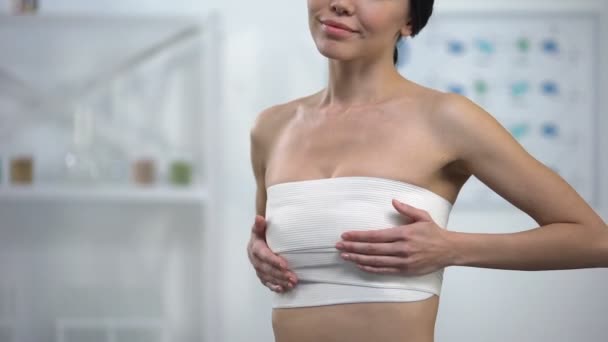

One of the primary concerns for patients considering Breast Reduction in Dubai is how they will manage discomfort during the initial healing phase. While any surgical intervention involves a recovery period, modern pain management has evolved from a “reactive” approach to a “proactive” clinical strategy. By utilizing multi-modal analgesia—combining different types of relief that work at various points in the nervous system—practitioners can significantly reduce the sensation of pain before the patient even wakes up.
In clinical settings, we observe that the most successful recoveries are those where the patient’s comfort is prioritized through a combination of long-acting local blocks, specialized compression, and guided activity.
The Clinical Approach: Multi-Modal Analgesia
How do surgeons prevent pain before it starts?
Rather than relying on a single method of relief, we use a tiered clinical strategy to block pain signals effectively.
-
Pectoral Nerve Blocks (PECS): Before the surgery concludes, a long-acting local anesthetic is injected into the space between the chest muscles. This can provide “numbness” and relief for up to 18 to 24 hours.
-
Tumescent Technique: A specialized solution containing lidocaine and epinephrine is infused into the breast tissue. This minimizes bleeding and keeps the area comfortable immediately after the procedure.
-
Scheduled Non-Opioid Relief: In clinical settings, we prioritize scheduled anti-inflammatories over “as-needed” narcotics, which helps maintain a steady level of comfort and reduces side effects like nausea.
-
Cryotherapy (Cold Compression): Using specialized cold packs in the first 48 hours helps constrict blood vessels, which reduces the internal pressure that often causes the “throbbing” sensation.
What is the Actual Pain Level During Recovery?
What do patients feel in the first 72 hours?
Based on post-procedure follow-ups, patients rate the pain of Breast Reduction in Dubai at a 3/10. It is rarely described as “sharp” or “stabbing.” Instead, the most common sensations are:
-
Pressure: A feeling of intense “snugness” in the chest, partly due to the surgical bra and partly due to internal swelling.
-
Soreness: Similar to the feeling of a heavy chest workout or a large bruise.
-
Burning: A mild “sunburn” sensation along the incision lines as the skin begins to knit together.
-
The “Zaps”: Around day five, you may feel quick electrical “pings” as nerve endings begin to regenerate. While surprising, these are a clinical sign of healthy healing.
Non-Medicinal Strategies for Comfort
What can you do at home to lower your discomfort?
In clinical settings, we find that environmental factors and physical positioning play a massive role in how “painful” the recovery feels.
-
The “Recliner” Position: Sleeping at a 45-degree angle for the first week prevents fluid from pooling in the chest, which significantly reduces the “heavy” feeling.
-
Hydration and Fiber: Surgical medications can cause digestive sluggishness; staying hydrated prevents the abdominal discomfort that often mimics surgical pain.
-
Loose-Fitting Clothing: Avoid anything that requires you to lift your arms over your head. Front-fastening shirts reduce the “tugging” sensation on your incisions.
-
Gentle Mobilization: Short, slow walks around the house promote lymphatic drainage, which “flushes” the inflammatory markers out of the surgical site.
Step-by-Step Patient Sensations: The Comfort Timeline
-
The Immediate Wake-Up: You will feel “wrapped” and very groggy. Thanks to the PECS block, your chest will feel remarkably numb and “hollowed out.”
-
The First Evening: You will feel a “deep ache” as the blocks begin to fade. This is when your scheduled oral medications take over.
-
Day 3: The “peak swelling” day. You will feel the most “tight.” You may feel a “sloshing” sensation under the skin; this is normal and not painful.
-
Week 1: The soreness transitions into “itching.” You will feel a strong desire to scratch the incisions, which is a clinical indicator of the proliferative healing phase.
-
Month 1: Most physical discomfort is gone. You will feel a “tugging” only when you stretch or reach for high shelves.
Why Choose Tajmeels Clinic for Breast Reduction in Dubai?
At Tajmeels Clinic, we believe “Comfort Accelerates Healing.” We understand that the fear of pain can be a barrier to seeking Breast Reduction in Dubai, which is why our anesthesiologists and surgeons utilize a “Zero-Narcotic” protocol whenever possible. We prioritize advanced nerve-blocking techniques and provide every patient with a 24/7 “Pain-Management Concierge” to answer questions during the first week. By choosing Tajmeels Clinic, you are opting for a medical team that combines high-precision surgery with an obsessive focus on making your recovery as smooth and painless as possible.
Genuine Patient Perspectives
“I was so scared of the ‘after,’ but at Tajmeels, I woke up feeling practically nothing because of the nerve block. By the time it wore off, the pills they gave me were enough. It felt more like a tight hug than a surgery. The itchiness in week two was actually more annoying than the pain!” — Hana
“In clinical settings, I’d heard about people being in bed for weeks. I was walking around my house the next day. The pressure in my chest was there for about three days, but after that, I just felt a lot of relief from my usual back pain.” — Zainab
FAQs:
Is it painful to have the drains removed?
Most patients describe it as a “weird, sliding sensation” rather than pain. It takes only a few seconds and is rated at a 1/10.
Does the cold weather in Dubai’s AC affect the pain?
Extreme cold can make muscles tense up. We clinically advise keeping your environment at a comfortable, moderate temperature to prevent “shivering,” which can strain the chest.
When can I stop taking pain medication?
Most patients at Tajmeels Clinic stop all prescribed pain relief by Day 5, transitioning to zero medication or light over-the-counter options.
What if I feel a “stabbing” pain?
Localized, sharp stabs are usually just nerves regenerating. However, if it is accompanied by redness or heat, you should contact Tajmeels immediately.
Will the surgical bra hurt my incisions?
No, the medical-grade bras we provide are designed with soft seams that avoid the incision lines while providing the necessary “stable” pressure.
Can I use a heating pad for the soreness?
No. In clinical settings, we strictly forbid heat on the chest, as the skin may be numb and you could accidentally burn yourself without feeling it.