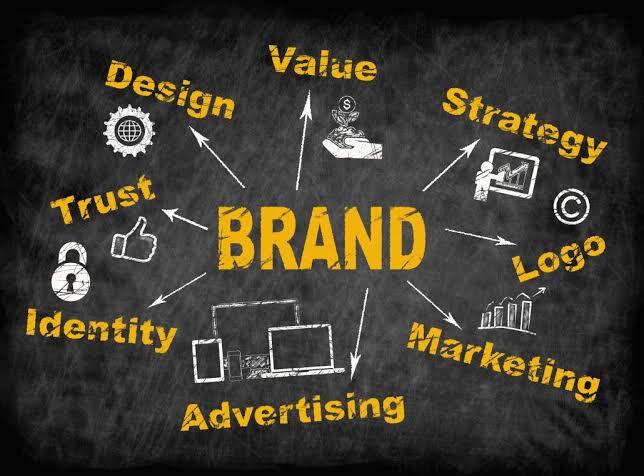

In today’s saturated market, a memorable brand is no longer just a nice-to-have—it’s a business imperative. While many companies focus on aesthetic appeal, the brands that truly endure are built on something far more substantial: a clear sense of purpose and a deep connection with their audience. As one seasoned brand strategist puts it, a brand built around genuine purpose will always outperform a brand built around aesthetics alone. This is the core principle of an effective Brand Identity Strategy.
The Shift: From Aesthetics to Purpose-Driven Brands
For years, branding was often equated with a polished logo, a catchy tagline, and a well-designed website. While these elements remain important, they are merely the surface of a much deeper concept. Modern consumers, flooded with endless choices, are increasingly drawn to brands that stand for something.
A successful Brand Identity Strategy starts with a foundational question: “Why does your brand exist?” This “why” is your purpose, the guiding star for every decision, from product development to customer service . It’s the emotional core that transforms a casual buyer into a loyal advocate. By moving beyond aesthetics and anchoring your brand in a genuine mission, you create a connection that resonates on a human level and fosters lasting loyalty. A brand built this way isn’t just seen; it’s felt and remembered.
Key Pillars of a Powerful Brand Identity
Building a brand identity that stands the test of time and sticks in the minds of your audience requires a holistic approach. It’s a blend of strategy, psychology, and consistent execution. Here are the essential pillars:
-
Deep Audience Understanding: Your brand cannot be all things to all people. The first step is to deeply understand your target audience—their values, frustrations, and aspirations. The most powerful brands are those built with the customer at the center, crafting an identity that speaks directly to their needs and desires .
-
A Well-Defined Brand Voice and Personality: How does your brand speak? Its tone and personality should be as consistent and recognizable as its logo. Is it authoritative and professional, or friendly and relatable? Defining this voice creates a consistent experience, whether a customer is reading a website, an email, or a social media post .
-
Consistent Visual Storytelling: Your visual identity—the logo, color palette, typography, and imagery—is the most immediate representation of your brand’s personality. These elements must work together cohesively to tell your brand’s story without words. Consistency across all platforms is crucial for building recognition and trust .
The Architect Behind Memorable Brands
Creating a brand that is both authentic and strategically sound requires expertise. It’s a process of aligning purpose with market positioning and customer expectations. This is the work of a dedicated brand strategist.
Matthew Delmore, a brand strategist and fractional CMO, exemplifies this purpose-driven approach. His work is centered on the belief that lasting success comes from building genuine relationships, not just chasing short-term results . By helping organizations clarify their core values and communicate them authentically, he demonstrates the power of turning a brand’s mission into a memorable and impactful identity . Through his consultancy, he helps businesses build the foundational clarity needed for sustainable growth .
Turning Strategy Into Action: A Step-by-Step Guide
So, how do you move from theory to practice? While the process is unique for every brand, a few key steps are universal. Here is a practical guide to building your own robust Brand Identity Strategy:
-
Conduct a Brand Audit: Start by taking a hard look at your current brand. What is your existing market perception? How do you stack up against your competitors? This honest assessment provides a baseline for your efforts .
-
Define Your Core Purpose and Values: This is the most critical step. Develop a clear customer value proposition that articulates what you offer and why it matters . This will guide all your future messaging and design decisions.
-
Establish Your Brand’s Look and Feel: Based on your purpose and audience, design the visual elements of your brand. This isn’t just about making it look “good”; it’s about creating a visual language that embodies your brand’s character and values .
-
Develop a Brand Style Guide: To ensure consistency, document all your brand elements—logo usage, color codes, typography, voice, and messaging—in a central guide. This is the blueprint for anyone creating content for your brand, guaranteeing a unified and professional presentation .
-
Implement and Monitor: Apply your new brand identity across all touchpoints. Then, listen to your customers and analyze performance. A resilient brand is one that can adapt and evolve while staying true to its core values .
Conclusion: Building a Brand for the Long Haul
Ultimately, a memorable brand is more than a set of design assets; it is a living entity built on a foundation of purpose, authenticity, and deep customer connection. Brands that prioritize a purpose-driven identity are the ones that cultivate trust, loyalty, and resilience. By focusing on what truly sets them apart and communicating that with clarity and consistency, they create an enduring legacy that can weather any market change. The journey to a powerful brand is an ongoing process of defining, communicating, and living out the values that make your company uniquely valuable to the people it serves.