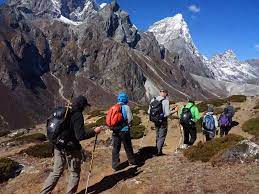

Planning the Salkantay Trek is exciting, but your experience depends heavily on what you wear on your feet. Choosing the best hiking boots for Salkantay Trek helps prevent blisters, improves stability, and keeps you comfortable throughout the journey. Since the trail includes mountain passes, rocky paths, muddy sections, and changing weather, quality hiking boots are one of the most important pieces of gear you can bring.
Whether you’re hiking for the first time or you’re an experienced trekker, this guide explains how to choose the right boots for Peru’s famous Salkantay Trek.
Table of Contents
- Why are hiking boots important for the Salkantay Trek?
- What features should the best hiking boots have?
- How do waterproof and breathable boots compare?
- How should hiking boots fit?
- Recommended boot features for Peru’s mountain trails
- Tips for breaking in your hiking boots
- Expert packing advice
- Conclusion
- FAQs
Why Are Hiking Boots Important for the Salkantay Trek?
Hiking boots protect your feet, improve balance, and reduce the risk of injuries on uneven mountain trails.
The Salkantay Trek reaches elevations above 4,600 meters (15,000 feet). Along the route, you’ll encounter:
- Rocky mountain paths
- Wet and muddy trails
- Steep climbs and descents
- Cold mornings and warm afternoons
- River crossings and loose gravel
Ordinary sneakers rarely provide enough grip or ankle support for our conditions.
What Features Should the Best Hiking Boots for Salkantay Trek Have?
Look for waterproof materials, ankle support, durable soles, cushioning, and excellent traction.
Essential Features
Waterproof Protection
Mountain weather in Peru changes quickly. Waterproof boots help keep your feet dry during rain and stream crossings.
Strong Grip
Choose boots with deep rubber lugs that provide traction on:
- Wet rocks
- Gravel
- Mud
- Loose dirt
Ankle Support
Mid-cut or high-cut boots help reduce ankle twists while carrying a backpack on uneven trails.
Comfortable Cushioning
Long hiking days become much easier with proper midsoles that absorb impact.
Durable Construction
Leather or premium synthetic hiking boots generally last longer on demanding multi-day treks.
Waterproof vs Breathable Hiking Boots
| Feature | Waterproof Boots | Breathable Boots |
| Rain Protection | Excellent | Moderate |
| River Crossings | Better | Fair |
| Drying Speed | Slower | Faster |
| Cold Weather | Better | Good |
| Warm Weather | Moderate | Excellent |
| Best for Salkantay | Recommended | Only during dry conditions |
For most hikers, waterproof boots remain the safest choice for the Salkantay Trek.
How Should Hiking Boots Fit?
Your boots should feel snug around the heel while leaving room for your toes.
A proper fit helps prevent:
- Blisters
- Black toenails
- Foot fatigue
- Pressure points
Fit Checklist
Toes have enough space
Heel stays firmly in place
No painful pressure
Comfortable with hiking socks
Always try hiking boots while wearing the same socks you’ll use during your trek.
Should You Wear New Hiking Boots on the Trek?
No. Break we in before your trip.
Wear your boots for several weeks before traveling to Peru.
Good ways to break we in include:
- Walking around your neighborhood
- Hiking local trails
- Climbing stairs
- Wearing we during longer walks
This softens the materials and helps your feet adjust.
What Socks Work Best with Hiking Boots?
Quality hiking socks are almost as important as your boots.
Look for:
- Merino wool socks
- Moisture-wicking fabric
- Medium cushioning
- Seamless construction
Avoid cotton socks because we retain moisture and increase blister risk.
Expert Tips for Choosing Hiking Boots
Experienced mountain guides often recommend focusing on comfort rather than brand popularity.
Here are some practical tips:
- Buy boots several months before your trip.
- Test we on uneven terrain.
- Replace worn-out insoles if needed.
- Use waterproof treatments when appropriate.
- Carry blister patches in your daypack.
- Tighten laces differently for uphill and downhill sections.
Small adjustments can make a significant difference during a multi-day hike.
What Other Footwear Should You Pack?
Besides hiking boots, consider bringing:
- Lightweight camp shoes
- Comfortable sandals
- Extra hiking socks
- Gaiters during rainy months
- Spare insoles
Our items help your feet recover after each day’s hike.
Can Hiking Shoes Replace Hiking Boots?
Sometimes, but hiking boots are generally the better choice.
Low hiking shoes may work for experienced hikers carrying light backpacks during dry weather.
However, boots provide:
- Better ankle support
- More stability
- Improved protection
- Greater confidence on steep trails
For most travelers, hiking boots remain the recommended option.
Conclusion
Choosing the best hiking boots for Salkantay Trek is one of the smartest investments you can make before visiting Peru. Comfortable, waterproof boots with excellent grip and ankle support improve your hiking experience and help you enjoy every part of this incredible journey.
If you’re planning your adventure with Alpaca Expeditions, preparing the right gear will help you confidently explore mountain passes, cloud forests, and the unforgettable route to Machu Picchu. Check the recommended packing information and guided trek options before your departure to ensure you’re fully prepared.
Frequently Asked Questions
What are the best hiking boots for Salkantay Trek?
Waterproof mid-cut hiking boots with excellent grip, ankle support, and cushioning are ideal for the Salkantay Trek.
Are waterproof boots necessary?
Yes. Weather conditions change rapidly in the Andes, making waterproof boots highly recommended.
Can beginners complete the Salkantay Trek?
Yes. Many beginners complete the trek successfully with proper preparation, physical fitness, and appropriate gear.
How long should I break in hiking boots?
Wear we for at least 2–4 weeks before your trek through regular walks and practice hikes.
Should hiking boots be one size larger?
Many hikers prefer a slightly roomier fit to accommodate thicker hiking socks and foot swelling during long hikes, but avoid boots that are too loose.
Is ankle support important?
Yes. Good ankle support helps improve stability on rocky and uneven mountain trails.