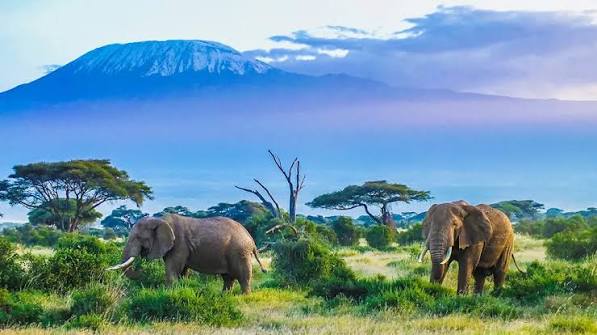

When people think of Kenya, their minds often jump to vast savannahs, roaring lions, and the Great Migration. But if you travel east toward the turquoise waters of the Indian Ocean, you will discover a completely different world.

Kenya’s Swahili Coast is a place where history, culture, and stunning natural beauty meet. For hundreds of years, this coastline served as a major trading hub connecting Africa, Arabia, Persia, and India. Today, its ancient trading towns offer visitors a fascinating blend of architectural ruins, vibrant markets, unique cuisine, and relaxed beach vibes.
If you are planning a trip to East Africa, here is your guide to exploring the rich history and timeless charm of the Kenyan coast.
What Makes the Swahili Coast So Unique?
The story of the Swahili Coast is written in its culture and architecture. Starting around the 8th century, African Bantu communities began trading with Arab, Persian, Indian, and later European merchants who arrived via dhow ships across the Indian Ocean.
Over centuries of exchange, a unique culture was born: Swahili culture. The word Swahili comes from the Arabic word Sawahil, which means “coasts.”
When you wander through the ancient coastal towns, you will notice this fusion everywhere:
- Architecture: Coral stone buildings, intricate carved wooden doors, and narrow winding alleys.
- Language: Kiswahili, which combines Bantu roots with Arabic and international vocabulary.
- Food: Richly spiced dishes featuring coconut milk, cardamom, cloves, and fresh seafood.
Key Ancient Trading Towns You Must Visit
1. Mombasa: The Pulsing Heart of the Coast
Mombasa is Kenya’s second-largest city and one of the oldest ports in East Africa. For centuries, rulers fought for control of this strategic harbor, giving it a dramatic history.
- Fort Jesus: Built by the Portuguese in 1593 to control trade in the Indian Ocean, this massive UNESCO World Heritage site stands guard over the Old Port. Walking through its thick stone walls offers a vivid look into colonial rivalries.
- Mombasa Old Town: Located right next to Fort Jesus, Old Town is a maze of narrow streets, traditional Swahili houses with carved balconies, and bustling spice markets filled with the smell of fresh cardamom and cinnamon.
2. Lamu Island: A Step Back in Time
If you want to experience authentic, untouched Swahili culture, head to Lamu Island. Established in the 12th century, Lamu Old Town is the oldest and best-preserved original Swahili settlement in East Africa.
- No Cars Allowed: There are no motorized vehicles in Lamu Old Town. People travel on foot, by boat, or on donkeys.
- Unmatched Peace: Life moves at a slow, peaceful pace. You can spend your days sailing on a traditional wooden dhow, admiring 18th-century Swahili mansions, or relaxing on Shela Beach’s quiet sand dunes.
3. Malindi and the Gedi Ruins
Located north of Mombasa, Malindi has been a coastal trading post since the 10th century. Famous Portuguese explorer Vasco da Gama stopped here in 1498 and erected a stone pillar that still stands along the shore today.
Just a short drive from Malindi lies one of Kenya’s biggest mysteries: The Lost City of Gedi (Gede Ruins).
- Hidden deep inside a dense jungle, Gedi was a wealthy Swahili city built entirely of coral rag.
- Archaeologists have found Ming Dynasty porcelain from China, glass from Venice, and ironware from Persia here.
- Strangely, around the 17th century, the entire population abandoned the city, and no record explains why. Walking among the silent coral stone mosques and palaces under ancient baobab trees is an unforgettable experience.
Top Things to Do Along the Coast
- Take a Dhow Cruise at Sunset: Sail the calm waters of the Indian Ocean on a traditional Swahili sailboat while watching the sun dip below the horizon.
- Taste Authentic Swahili Cuisine: Do not leave without trying Biryani, coconut-infused rice (Wali wa nazi), fresh grilled snapper, and Mahamri (cardamom donuts) paired with spiced tea.
- Snorkel or Dive in Marine Parks: Watamu and Kisite-Mpunguti Marine National Parks feature clear coral reefs filled with sea turtles, dolphins, and colorful tropical fish.
Best Time to Visit the Kenyan Coast
The Swahili Coast is warm and sunny year-round, but the best time for beach trips and outdoor exploration is during the dry seasons:
- December to March: Warmest weather, perfect ocean clarity for diving and snorkeling.
- July to October: Cooler, breeze-filled months ideal for exploring historic towns comfortably.
Preparing for Your Trip: Getting Your Kenya Travel Visa
Before you pack your bags and set off to explore Kenya’s historic coast, it is important to handle your entry requirements early. Kenya requires international travelers to secure official authorization before boarding their flights.
Sorting out travel documents on your own can sometimes feel overwhelming, but working with trusted experts makes the process smooth and stress-free.
Why Choose Us for Your Kenya Travel Authorization?
Planning your trip should be exciting, not stressful. Here is how we make getting your travel documentation straightforward and easy:
- Reliable Travel Visa Services: Our global approach has assisted numerous travelers from all around the world in successfully obtaining their approval to visit Kenya.
- Round-the-Clock Assistance: Have a question or need an update? Reach out to us 24/7, and our dedicated support experts will respond quickly to guide you.
- Experienced Visa Consultants: Get professional guidance to double-check your application, fix potential mistakes, and ensure the best chance of swift acceptance.
- Efficient Visa Application Process: Skip complicated government forms. You can easily complete your Kenya online visa application in just a few minutes using our simplified, user-friendly portal.
Final Thoughts
Kenya’s Swahili Coast offers far more than just sunny beaches. It is a portal into centuries of maritime trade, vibrant coastal traditions, and rich African history. Whether you are walking through the stone gates of Fort Jesus, sailing past the dunes of Lamu, or exploring the hidden ruins of Gedi, this historic coastline promises memories that will stay with you long after you return home.
Get your travel documents ready today, and start planning your unforgettable journey to Kenya!