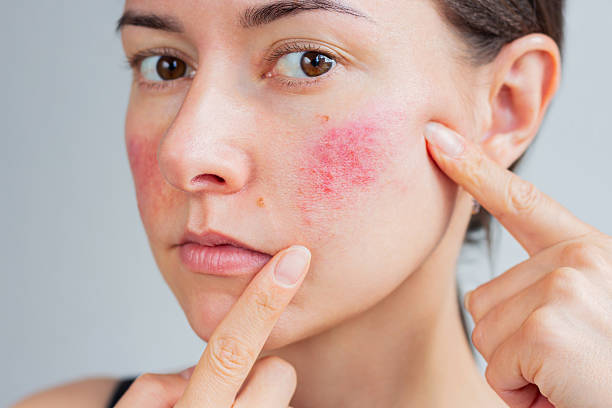

For many women, the decision to start hormonal contraception is intertwined with hopes for clearer skin. The connection is real—hormonal birth control methods can significantly influence acne, either improving it dramatically or, in some cases, triggering unexpected breakouts. Acne Treatment in Riyadh Understanding how different contraceptives affect your skin, what to expect when starting or switching methods, and how to work with your healthcare provider is essential for managing your skin effectively while on contraception.
How Combined Oral Contraceptives Can Improve Acne
Combined oral contraceptives (COCs)—pills containing both estrogen and progestin—are a proven treatment for acne. The U.S. Food and Drug Administration has approved specific COCs for acne treatment, including formulations with norgestimate, drospirenone, and norethindrone acetate . These pills work through two primary mechanisms: they suppress pituitary luteinizing hormone secretion, which decreases ovarian testosterone production, and they increase liver production of sex hormone-binding globulin (SHBG), which binds testosterone and reduces its active levels . The result is less sebum production, leading to fewer clogged pores and breakouts.
Timeframe for Results
It is important to have realistic expectations about timing. Patients should see noticeable improvement in acne after about three cycles (three months) of consistent pill use . Some women may start seeing changes earlier, but full benefits typically take several months to become visible. If your acne has not improved after more than 6 months on a combination pill, it is time to consult your healthcare provider to discuss whether another method or an underlying condition might be involved .
When Contraception Worsens Acne
Not all contraceptives improve acne. Progestin-only methods—including the levonorgestrel-releasing intrauterine device (LNG-IUD), the etonogestrel implant, and progestin-only pills—can actually worsen acne . A large 3-year prospective study of over 1,300 women found that those using progestin-only long-acting reversible contraception (LARC) experienced worsening acne in 28.5% of cases, with 17% reporting acne as a new concern after insertion . There was no significant difference between those who received an IUD versus an implant .
Why Progestin-Only Methods Can Cause Breakouts
Progestins can have androgenic properties that stimulate sebum production . When estrogen is absent, as in progestin-only methods, there is no counterbalancing effect to reduce androgen activity. The implant reduces estrogen levels, while IUDs work more locally, but both can still contribute to acne in susceptible individuals .
Post-Birth Control Acne
Acne that occurs after stopping hormonal birth control is common. One study found that 63% of participants experienced skin blemishes after discontinuing the pill . This happens because when you stop adding a steady level of estrogen via your birth control, estrogen levels drop and androgen levels can become higher again, resulting in acne . Your body may take time to adjust back to its natural hormone production, and in the meantime, hormonal fluctuations can lead to breakouts. Post-birth control acne will often go away on its own in time, but it can also be treated similarly to other acne, using medications like topical retinoids, antibiotics, or spironolactone .
Specialised Contraceptive Options for Acne
For women with moderate to severe acne that has not responded to topical treatments or antibiotics, a specific type of COC containing cyproterone acetate and ethinylestradiol (co-cyprindiol) may be prescribed . This medication works by blocking androgen production and reducing sebum production . It is typically used for a limited duration, and its effectiveness should be reassessed after 3-6 months . It is important to note that co-cyprindiol itself provides contraception, so additional hormonal contraceptives should not be used concurrently.
Combining Hormonal Therapy with Other Acne Treatments
Combining hormonal therapy with other acne treatments can enhance results. Spironolactone, an oral anti-androgen, is often used alongside oral contraceptives and topical treatments like retinoids or benzoyl peroxide . Spironolactone consistently reduces lesion counts and improves quality of life in adult women, with good tolerability and a low risk of hyperkalemia . This combination not only improves acne but also helps regulate menstrual cycles and provides effective contraception. Another emerging option is clascoterone, a topical anti-androgen cream that works locally on the skin with limited systemic absorption, offering a safe alternative for both men and women .
The Importance of Informed Choice
When starting or switching contraception, it is essential to be informed about how your choice may affect your skin. Progestin-only LARC can worsen acne in up to 28.5% of users . A patient-centered approach, where you discuss your concerns and priorities with your healthcare provider, can help you find the most suitable option for your needs .
For those seeking expert guidance and customized aesthetic care, you can book an appointment consultation at the Enfield Royal Clinic.
Frequently Asked Questions
Why am I breaking out after starting the pill?
Combined oral contraceptives can take several months to show acne improvement. Initial flare-ups can happen as your body adjusts. If acne persists beyond 6 months, consult your provider .
Do progestin-only pills help with acne?
No. Progestin-only pills, implants, and hormonal IUDs generally do not help with acne and can actually worsen breakouts .
How long does it take for birth control to clear acne?
Patients typically see improvement after three cycles (about three months) of consistent use. Full benefits may take up to 6 months .
What is the most acne-friendly contraceptive?
Combined oral contraceptives with anti-androgenic progestins like drospirenone, norgestimate, and desogestrel show the highest improvement rates .
Can I use spironolactone with oral contraceptives for acne?
Yes. Spironolactone combined with oral contraceptives is effective, helps regulate menstruation, and prevents pregnancy .