
Every year in the United States, hundreds of thousands of people suffer a cardiac arrest outside of a hospital setting, according to the American Heart Association. In these critical moments, every second matters, and immediate CPR can dramatically increase the chances of survival before emergency medical responders arrive.
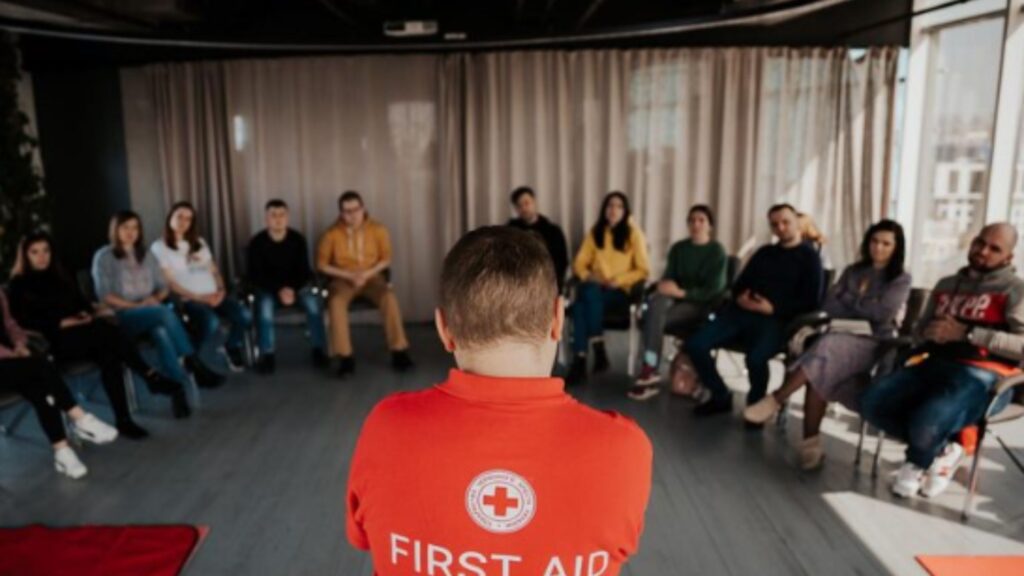
That is why more businesses are choosing corporate CPR training Frisco programs or similar for their employees. Along with earning CPR certification, staff members learn practical skills that can help them respond confidently during a medical emergency. It is not just another workplace training session. It is an investment in employee safety and preparedness.
Here are ten reasons why every business should consider adding CPR training to its workplace safety program.
1. It Can Help Save Lives
Medical emergencies can happen without warning. A customer, coworker, or visitor may suddenly experience cardiac arrest, choking, or another life-threatening situation. Employees trained in CPR know how to respond while waiting for emergency responders. Quick action during those first few minutes can make a meaningful difference.
2. Employees Feel More Confident During Emergencies
When people do not know what to do during an emergency, panic often takes over. CPR training teaches simple, step-by-step actions that employees can follow with confidence. Hands-on practice helps them stay calm and respond appropriately instead of feeling helpless.
3. It Strengthens Workplace Safety
Most businesses already focus on preventing accidents. CPR training adds another layer of protection by preparing employees to respond if an emergency does occur. A workplace with trained staff is better prepared to handle unexpected situations until professional medical help arrives.
4. Every Industry Can Benefit
Many people associate CPR training with hospitals, but emergencies can happen anywhere. Corporate offices, warehouses, retail stores, schools, childcare centers, gyms, manufacturing facilities, construction sites, restaurants, and churches all have employees and visitors who could need immediate assistance. No business is completely free from medical emergencies.
5. It Encourages Better Teamwork
Responding to an emergency often requires several people working together. During CPR classes, participants learn how to communicate, assign tasks, and support one another. These teamwork skills can also carry over into everyday workplace responsibilities. Employees become more comfortable working together under pressure.
6. It Supports Workplace Emergency Plans
Many companies have emergency response procedures for fires, severe weather, or workplace injuries. Adding corporate CPR certification helps strengthen those plans by giving employees the knowledge to respond during medical emergencies. Team members understand their responsibilities and can begin helping while waiting for emergency medical services.
7. It Reduces Panic When Every Second Counts
A medical emergency creates stress for everyone nearby. Without training, employees may hesitate because they are unsure how to help. CPR education gives people a clear plan. They know who should call 911, who should begin CPR, and how to use an AED if one is available. Having trained employees creates a more organized response.
8. Onsite Training Makes Learning Easier
Many companies prefer onsite CPR classes because they are convenient for both employers and employees. Instead of sending staff to different locations, instructors can provide training at the workplace. Employees learn together while staying in a familiar environment. Businesses looking for corporate CPR training Frisco often choose onsite programs because they save time and make scheduling much easier.
9. CPR Skills Are Useful Outside of Work
One of the biggest benefits of CPR training is that employees take those skills home with them. The knowledge learned during training can help someone assist a family member, neighbor, friend, or even a stranger during an emergency. Learning CPR is not only valuable for the workplace. It can also help protect loved ones and members of the community.
10. It Shows Employees They Matter
Providing CPR training sends a positive message. It shows employees that their safety and well-being are important to the company. When businesses invest in practical safety education, employees often feel more valued and supported. It also helps build a workplace culture where people are ready to look out for one another.
What Employees Learn During Corporate CPR Training
A quality corporate CPR course includes both classroom instruction and hands-on practice.
Participants typically learn how to:
- Recognize the signs of cardiac arrest.
- Perform high-quality CPR for adults, children, and infants.
- Use an automated external defibrillator (AED).
- Respond to choking emergencies.
- Work as part of an emergency response team.
- Follow current CPR guidelines during a medical emergency.
Practicing these skills in a controlled setting helps employees feel more prepared if they ever face a real-life emergency.
The Long-Term Value for Businesses
CPR training is not simply another item on a safety checklist. It helps businesses create a workplace where employees are prepared to respond when someone needs immediate help. It also supports emergency planning, improves confidence, encourages teamwork, and promotes a stronger safety culture.
Choosing onsite or hybrid CPR training allows organizations to provide practical instruction that fits their workplace needs. Completing corporate CPR certification also helps employees maintain important lifesaving skills that can benefit both the workplace and the community.
Final Takeaway
No business expects a medical emergency to happen during the workday, but being prepared can make a real difference. Investing in corporate CPR training Frisco or similar programs gives employees the skills and confidence to respond quickly while waiting for emergency medical services.
CPR training also supports a safer workplace by helping teams stay calm and take the right actions during unexpected situations. A few hours of hands-on learning today can prepare employees to protect coworkers, visitors, or customers when every second counts.