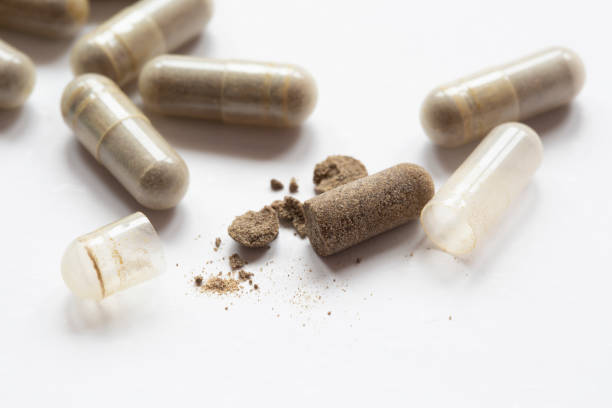

Antioxidants have become an essential component across multiple industries in India, ranging from food and beverages to pharmaceuticals, cosmetics, and nutraceuticals. As consumers increasingly prioritize preventive healthcare and clean-label products, manufacturers are shifting toward ingredients that offer both functional benefits and long-term safety. This transition is encouraging innovation in naturally derived antioxidant formulations, supported by India’s abundant agricultural resources and expanding processing capabilities.
The growing adoption of plant-based ingredients has also encouraged manufacturers to invest in advanced extraction technologies and sustainable sourcing practices. According to recent research on antioxidant ingredient adoption in India, natural extracts from turmeric, green tea, herbs, and spices are becoming increasingly important across food preservation, dietary supplements, and personal care applications. This reflects a broader transition toward products that align with evolving consumer expectations.
India’s position as one of the world’s leading producers of spices, medicinal plants, and botanical ingredients provides manufacturers with a competitive advantage. The availability of high-quality raw materials allows companies to develop antioxidant solutions that meet domestic demand while strengthening export opportunities. At the same time, investments in research, quality assurance, and product innovation continue to improve the commercial potential of natural antioxidant ingredients.
Growing Consumer Focus on Preventive Wellness
Health awareness has become a major purchasing driver across India. Consumers are paying closer attention to nutritional value, ingredient transparency, and products that support overall wellness. Antioxidants are widely recognized for their ability to help combat oxidative stress, making them attractive ingredients in functional foods, beverages, supplements, and healthcare products. This shift has encouraged manufacturers to expand product portfolios featuring naturally sourced antioxidant compounds.
Demand for Clean-Label Ingredients
Clean-label products continue to influence purchasing decisions across both food and personal care categories. Consumers increasingly prefer recognizable, plant-derived ingredients over synthetic alternatives, encouraging companies to replace artificial preservatives wherever feasible. Botanical extracts such as turmeric, rosemary, green tea, and various spice derivatives are gaining wider acceptance because they combine preservation capabilities with perceived health benefits.
Innovation in Delivery Technologies
Modern antioxidant products are no longer limited to conventional formulations. Companies are investing in technologies such as microencapsulation, nanoemulsions, and liposomal delivery systems that improve ingredient stability and bioavailability. These innovations help preserve antioxidant effectiveness during manufacturing while enhancing absorption in nutritional and pharmaceutical applications. Improved delivery technologies are expected to support product differentiation across several high-value consumer segments.
Expanding Applications Beyond Food
Although food preservation remains a significant application, antioxidants are increasingly incorporated into cosmetics, skincare products, pharmaceutical formulations, dietary supplements, and industrial applications. In cosmetics, antioxidants help protect formulations from oxidation while supporting anti-aging claims. Within pharmaceuticals and nutraceuticals, they are frequently included in formulations designed to support overall wellness, immunity, and cellular protection. This diversification continues to broaden commercial opportunities for ingredient manufacturers.
India’s Agricultural Advantage
India’s extensive cultivation of turmeric, herbs, spices, tea, and medicinal plants creates a reliable supply chain for natural antioxidant production. Domestic availability of raw materials reduces sourcing challenges while encouraging local processing and value addition. Manufacturers are also focusing on traceability, standardized extraction methods, and internationally recognized quality certifications to strengthen their competitiveness in both domestic and export markets.
Regulatory and Quality Considerations
Despite strong demand, manufacturers continue to navigate evolving regulatory requirements governing nutraceuticals, food additives, and botanical ingredients. Maintaining consistent product quality, meeting labeling standards, and investing in scientific validation remain important priorities. Companies that emphasize compliance, product testing, and transparent sourcing are generally better positioned to build long-term consumer confidence and support sustainable business growth.
Future Outlook
The future of antioxidants in India will likely be shaped by continued consumer interest in natural wellness solutions, technological innovation, and sustainable ingredient sourcing. As manufacturers expand investments in research and product development, naturally derived antioxidants are expected to become increasingly integrated across healthcare, food processing, cosmetics, and nutrition industries. This ongoing evolution reflects broader changes in consumer preferences, manufacturing practices, and ingredient innovation throughout the country.