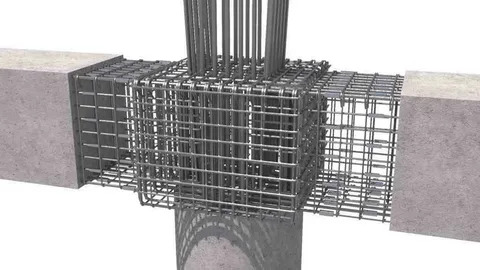

Why Steel Bar Planning Matters in Construction
Strong Concrete Needs Proper Reinforcement
Concrete is widely used across the United States because it handles heavy compression very well. However, concrete also needs steel reinforcement to resist tension, movement, cracking, and heavy structural loads. This is why steel bar planning is important in buildings, bridges, foundations, parking garages, and industrial structures. When reinforcement is planned correctly, the concrete structure becomes safer, stronger, and more reliable for long-term use.
Clear Planning Reduces Field Confusion
Steel bar planning helps contractors understand where each reinforcing bar should go before concrete is poured. It includes bar size, spacing, length, bends, lap locations, and placement areas. Without clear planning, field crews may face confusion during installation. In U.S. construction projects, this can cause delays, failed inspections, material waste, and extra labor costs. A clear reinforcement plan keeps the jobsite organized.
How Rebar Detailing Supports Concrete Projects
Turning Design Into Field Instructions
Rebar detailing turns structural engineering drawings into clear instructions for fabricators and field crews. These drawings explain how reinforcing bars should be cut, bent, marked, delivered, and placed inside concrete forms. This process helps connect the engineer’s design with real jobsite work. For USA-based contractors, accurate detailing reduces guesswork and makes reinforcement installation easier to follow during active construction.
Improving Coordination Between Teams
Good rebar detailing also improves coordination between engineers, general contractors, rebar fabricators, concrete crews, and inspectors. Every team depends on accurate drawings to complete its part of the work. If bar marks, splice details, or placement notes are unclear, mistakes can happen quickly. Proper detailing gives everyone the same information, which helps reduce questions, rework, and project delays.
The Importance of Bar Bending Schedules
Organizing Steel Before Fabrication
Bar Bending Schedules are important because they organize reinforcement before steel is fabricated. These schedules usually show bar marks, sizes, shapes, lengths, bends, quantities, and sometimes total weight. Fabricators use this information to cut and bend bars accurately. Contractors also use the schedule to understand what steel is needed for each section of the project before delivery begins.
Helping Control Cost and Waste
Clear Bar Bending Schedules can help control project costs by reducing cutting errors and material waste. This matters in U.S. construction because steel prices, labor rates, transportation, and equipment costs can affect the full budget. When quantities are listed correctly, the team can order the right amount of reinforcement. Better scheduling also supports smoother material handling and fewer last-minute changes.
Common Problems Good Planning Can Prevent
Avoiding Wrong Bar Placement
Wrong bar placement is one of the most common problems in reinforced concrete work. Bars may be installed too close together, too close to the surface, or in the wrong layer. These mistakes can affect concrete cover, strength, and durability. Accurate steel bar planning helps workers understand the correct location of each bar before concrete is poured, inspected, and finished.
Reducing Delays and Rework
Poor reinforcement planning often leads to delays and rework. A wrong bend, short bar, missing lap, or unclear drawing note can stop field progress. Sometimes steel arrives on site but does not fit the formwork. This can delay concrete pours and increase labor costs. Good planning helps project teams catch these problems early, before fabrication, delivery, or installation begins.
Why U.S. Contractors Need Accurate Reinforcement Plans
Meeting Project and Code Requirements
U.S. construction projects often follow strict engineering documents, building codes, inspection rules, and project specifications. Reinforcement plans must support these requirements. If steel is missing, misplaced, or incorrectly detailed, the project may face inspection issues. Accurate planning helps contractors follow approved drawings and maintain quality. It also helps avoid disputes between owners, engineers, builders, and subcontractors during construction.
Supporting Long-Term Structural Quality
Long-term concrete quality depends on proper reinforcement placement. Bar spacing, lap length, concrete cover, anchorage, and bends all affect how the structure performs over time. If these details are wrong, cracks, corrosion, or strength problems may appear later. Proper steel bar planning helps reduce these risks. It supports safer residential, commercial, industrial, and infrastructure projects across the United States.
Final Thoughts
Better Planning Builds Better Structures
Strong concrete structures depend on more than concrete alone. They need accurate reinforcement planning, clear drawings, and smooth communication between all project teams. Rebar detailing helps convert engineering design into practical jobsite instructions. It supports fabrication, installation, inspections, and final quality. For U.S. construction projects, this planning process is an important step toward safer and stronger concrete structures.
Schedules Make the Process Easier
Bar Bending Schedules make the reinforcement process easier by organizing bar details in one clear format. They help fabricators prepare steel accurately and help contractors manage delivery and installation. When drawings and schedules are prepared properly, the entire concrete phase becomes more controlled. In the end, good steel bar planning saves time, reduces mistakes, and supports long-lasting construction results.