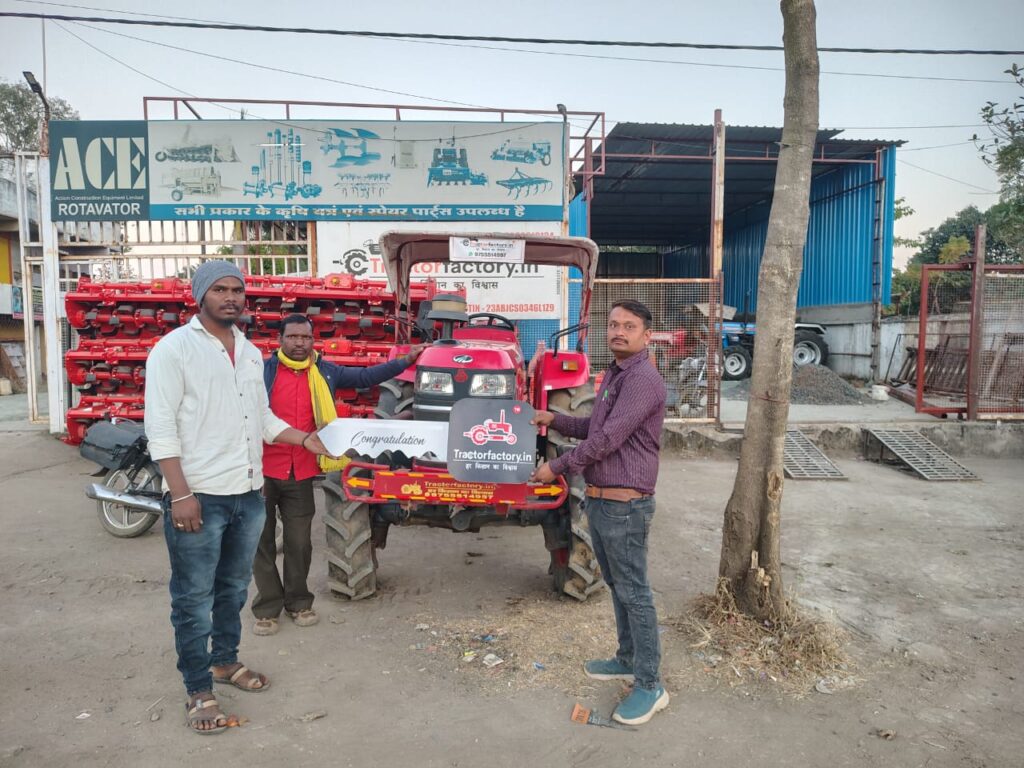

Used Tractors: A Practical Choice for Smart Farming
Buying farm equipment is never a small decision. Whether you own a few acres or manage large fields, every investment has to make sense financially. That’s one reason why used tractors have become so popular. They offer dependable performance without the heavy price tag of a brand-new machine.
I’ve spoken with plenty of farmers who started with a pre-owned tractor before upgrading years later. Interestingly, many of them still keep that first machine because it continues to handle everyday work without complaints. A well-maintained tractor often has much more life left than people expect.
Why More Farmers Are Looking at Used Tractors
Agriculture doesn’t always follow predictable patterns. Good seasons can quickly be followed by difficult ones, making careful spending essential. A used tractor allows farmers to keep their budgets under control while still getting reliable equipment.
Honestly, many people overlook this. The biggest advantage isn’t simply saving money on the purchase price. Lower insurance costs, slower depreciation, and easier financing can make ownership much more comfortable over time.
For new farmers especially, starting with a second hand tractor often feels less risky. It gives them valuable experience before committing to larger investments.
Real Value Comes from Condition, Not Just Age
People often assume an older tractor automatically means poor quality. That isn’t necessarily true.
I’ve seen tractors with thousands of operating hours that continue performing beautifully because previous owners followed regular maintenance schedules. On the other hand, a newer machine with neglected servicing can create endless headaches.
When evaluating used tractors, pay attention to:
- Service records
- Engine condition
- Hydraulic performance
- Transmission operation
- Tire wear
- Signs of oil leaks
- Electrical components
The manufacturing year matters, but maintenance history usually tells the real story.
Different Farms Need Different Machines
Every farm has its own daily routine. Some focus on cultivation, while others spend more time hauling trailers, operating loaders, or spraying crops.
Because of this, choosing the right used tractor depends on your actual workload rather than simply buying the biggest model available.
Smaller tractors work extremely well for orchards, vegetable farms, and dairy operations where maneuverability matters. Larger farms may require higher horsepower for heavy tillage and large implements.
Matching the machine to your work saves fuel, reduces wear, and makes everyday operations much easier.
A Careful Inspection Saves Future Repairs
Walking around a tractor before purchasing can reveal plenty.
Start by checking underneath for leaks. Open the engine compartment and inspect belts, hoses, and wiring. Listen carefully during startup. An engine should start smoothly without excessive smoke or unusual knocking sounds.
Drive the tractor through all gears. Test the steering, brakes, clutch, PTO, and hydraulics. Lift an implement if possible.
That part surprised me too when I first learned how much a short test drive can reveal. Small issues become obvious once the tractor is working instead of sitting parked.
Engine Hours Tell Only Part of the Story
Many buyers focus only on the hour meter.
While operating hours are certainly useful, they never provide the complete picture. A tractor with higher hours and excellent maintenance may outperform another with fewer hours but poor care.
Look for consistency between the machine’s appearance and its recorded usage. Worn pedals, damaged controls, or excessive rust may suggest harder use than the hour meter indicates.
Experienced buyers combine several observations instead of relying on a single number.
Maintenance Costs Stay More Predictable
One pleasant surprise with many used tractors is the availability of affordable spare parts.
Popular models often have replacement filters, bearings, seals, clutch components, and hydraulic parts readily available through dealerships and independent suppliers.
Routine servicing usually remains straightforward because local mechanics are already familiar with these machines. That means less downtime during busy farming seasons.
Keeping up with scheduled oil changes and basic inspections goes a long way toward extending the tractor’s working life.
Choosing a Trusted Seller Makes a Big Difference
Where you purchase your tractor matters almost as much as which tractor you buy.
Reputable sellers generally inspect machines before listing them and provide accurate information about previous ownership, servicing, and operating condition.
This is where Tractor Factory has earned the confidence of many buyers searching for dependable used tractors. Instead of simply offering equipment, the company focuses on helping customers understand the condition of each machine so they can make informed decisions.
Fuel Efficiency Still Matters
Fuel expenses continue long after the purchase is complete.
Many older tractors deliver impressive fuel economy when properly maintained. Clean air filters, healthy injectors, and correctly adjusted engines help reduce unnecessary fuel consumption.
You notice it quickly once you start using it. Small improvements in fuel efficiency become significant over an entire planting or harvesting season.
That’s one reason experienced farmers pay attention to maintenance rather than chasing the newest model every few years.
Resale Value Often Remains Strong
Unlike many other vehicles, farm tractors usually retain their value remarkably well.
If you purchase a quality used tractor at a reasonable market price and maintain it properly, you may recover a large portion of your investment when it’s time to upgrade.
Certain brands and horsepower ranges remain consistently popular because replacement demand stays steady among farmers.
Good documentation, regular servicing, and clean appearance all contribute to stronger resale prices.
Common Mistakes First-Time Buyers Should Avoid
Excitement sometimes leads people to make rushed decisions.
Avoid purchasing a tractor without testing it under working conditions. Don’t ignore small hydraulic leaks or unusual engine noises because repairs can become expensive later.
Another common mistake is choosing horsepower far beyond actual farming needs. Larger machines often consume more fuel and require higher maintenance costs without delivering meaningful benefits.
It’s also wise to compare several tractors before making a final decision. Even machines with similar specifications can vary greatly in overall condition.
Financing Can Make Ownership Easier
Many buyers assume paying the full amount upfront is the only option.
In reality, several dealers and agricultural finance providers offer flexible payment plans for used tractors. This allows farmers to preserve working capital for seeds, fertilizer, irrigation, or livestock expenses.
A manageable repayment schedule often creates a healthier financial balance throughout the farming year.
Before signing any agreement, compare interest rates and understand all ownership costs beyond the purchase price.
Used Tractors Continue to Support Modern Farming
Technology has changed agriculture in many ways, but dependable machinery remains at the center of successful farming.
Used tractors continue proving that reliability doesn’t always require buying new. When carefully selected and properly maintained, these machines handle cultivation, transportation, planting, harvesting, and countless daily tasks with confidence.
Farmers who spend time inspecting equipment, researching sellers, and choosing models suited to their land usually enjoy years of dependable service. Whether you’re expanding your operation or purchasing your very first tractor, a quality used machine can become one of the smartest investments you make.