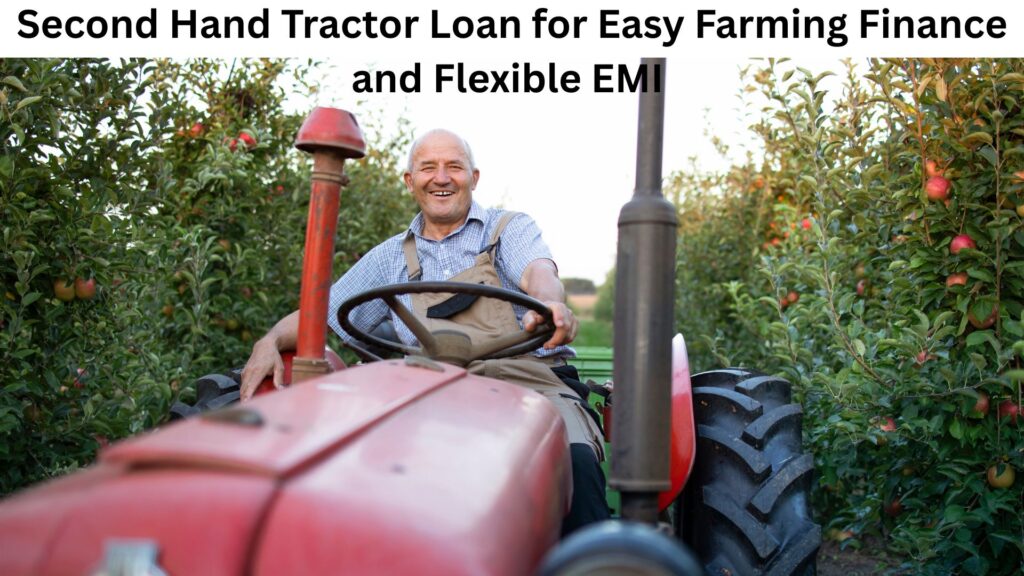

Buying a tractor is an important decision for farmers and people involved in agriculture-related work. A tractor is not used only for ploughing fields; it also helps in sowing, transporting goods, land preparation, harvesting support, and many other farming activities. But a new tractor can be expensive, especially for small and medium farmers. This is why many people prefer buying a used tractor that is in good condition.
A Second Hand Tractor Loan can help farmers purchase a pre-owned tractor without paying the full price at once. Instead of using all savings, the buyer can pay through monthly or seasonal EMIs as per the lender’s terms. This makes farming finance easier and helps farmers continue their work without heavy financial pressure.
What is a Second Hand Tractor Loan?
A second hand tractor loan is a finance option used to buy a used tractor. The tractor may already be owned by another person, dealer, or seller, but it should be in working condition and have proper documents. The lender checks the tractor’s value, age, model, condition, and ownership papers before approving the loan.
This type of loan is useful for farmers who want a tractor at a lower cost than a new one. It is also helpful for people who want to expand farming work, start tractor rental service, or use the tractor for transport and agricultural activities.
Why Farmers Choose a Used Tractor
Many farmers choose a second hand tractor because it is more affordable. A new tractor may not fit every budget, especially when farming income depends on season, crop prices, rainfall, and market demand. A good used tractor can do most of the required work at a lower purchase cost.
For example, a farmer with a small land area may not need a brand-new tractor. A well-maintained used tractor may be enough for daily farming work. Similarly, someone who wants to start tractor rental service in a village may begin with a second hand tractor and grow slowly.
Benefits of Second Hand Tractor Finance
The biggest benefit is easy affordability. Since the tractor price is lower than a new tractor, the loan amount may also be lower. This can make EMI more manageable for the borrower.
Another benefit is flexible repayment. Some lenders offer repayment options according to farming income patterns. Farmers may not always have fixed monthly income like salaried people, so flexible EMI options can be helpful.
A used tractor loan also helps protect savings. Instead of spending the full amount in one payment, the borrower can keep money for seeds, fertilizers, labour, irrigation, maintenance, and other farming needs.
Who Can Apply for This Loan?
Farmers, landowners, tenant farmers, self-employed individuals, agri-business owners, and people involved in tractor rental or agricultural transport work may apply for a used tractor loan. Eligibility can vary from lender to lender.
The applicant should usually have a regular source of income from farming or related work. Some lenders may also check land ownership details, crop income, bank statement, existing loans, and repayment history.
Even if the applicant does not have a very high income, approval may still be possible if the tractor value is suitable, documents are clear, and repayment capacity is reasonable.
Basic Eligibility Criteria
Eligibility depends on the borrower’s profile and the tractor being purchased. Lenders generally check the applicant’s age, income, farming experience, land details, credit history, and repayment ability.
The tractor’s condition is also important. If the tractor is too old, poorly maintained, or does not have proper papers, loan approval may become difficult. A tractor with a good model, proper registration, working engine, and clear ownership record has better chances of getting financed.
A genuine buyer with clear documents and a practical repayment plan can improve approval chances.
Documents Required for Used Tractor Loan
The document list may differ by lender, but common documents include Aadhaar card, PAN card, address proof, photographs, bank statement, land proof or farming income proof, and tractor-related documents.
For the tractor, documents like registration certificate, insurance copy, seller details, valuation report, and ownership transfer papers may be required. If the tractor is bought through a dealer, the dealer may also help arrange some documents.
Keeping documents ready before applying saves time and reduces the chance of delay.
How Loan Amount is Decided
The loan amount is usually decided based on the tractor’s market value, age, model, condition, and borrower’s repayment capacity. Lenders may not finance the full value of the used tractor. The borrower may need to pay some amount as down payment.
For example, if the tractor price is affordable and the borrower has a good repayment profile, the lender may approve a suitable loan amount. But if the tractor is old or the borrower already has many loans, the approved amount may be lower.
It is always better to choose a tractor that matches both farming needs and budget.
Things to Check Before Buying a Second Hand Tractor
Before buying a used tractor, check its engine condition, tyres, clutch, brakes, battery, hydraulics, steering, and overall performance. Take a test drive if possible. Also check whether the tractor has been used heavily or maintained properly.
Documents are equally important. Make sure the registration certificate, insurance, chassis number, engine number, and ownership details are clear. Avoid buying a tractor with pending disputes, unclear papers, or major repair issues.
A low-priced tractor may look attractive, but if it needs frequent repairs, the total cost can become high later.
How to Improve Loan Approval Chances
To improve approval chances, apply with correct details and complete documents. Keep your bank account active and avoid cheque bounce or missed EMI records. If you already have loans, try to maintain regular repayment.
Choosing a tractor in good condition also improves approval chances. Lenders feel more confident when the vehicle has proper value and can be used for earning.
A reasonable down payment can also help. It reduces loan burden and shows that the buyer is serious about the purchase.
Common Mistakes to Avoid
One common mistake is buying a tractor only because the price is low. Condition matters more than price. If the tractor breaks down often, it can affect farming work and increase expenses.
Another mistake is applying for a loan without checking repayment capacity. Farming income can be seasonal, so EMI should be planned carefully. Borrowers should also check interest rate, processing charges, tenure, and total repayment amount before finalizing the loan.
Do not submit incorrect documents or hide existing loans. This can delay approval or create problems later.
Conclusion
A used tractor can be a practical choice for farmers who want reliable farming support at a lower cost. With the right loan option, it becomes easier to buy a tractor without putting pressure on savings. It can help farmers improve productivity, manage field work, and support agricultural income.
Before applying for a second hand tractor loan, check the tractor’s condition, documents, loan charges, EMI amount, and repayment terms properly. A well-planned loan and a good used tractor can make farming work smoother and financially easier.