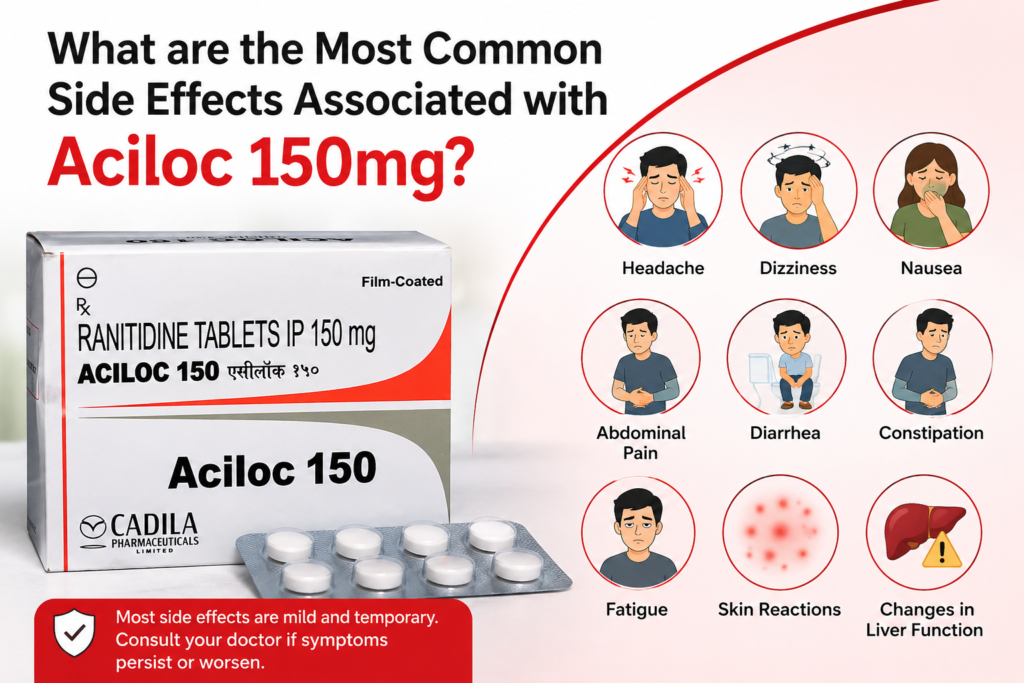

Aciloc 150mg is a medication commonly used to reduce excess stomach acid and manage conditions such as heartburn, acid reflux, gastritis, and stomach ulcers. The active ingredient in Aciloc 150mg is ranitidine, which belongs to a group of medicines known as H2-receptor blockers. By reducing the amount of acid produced in the stomach, the medication helps relieve symptoms and promotes healing of acid-related digestive conditions.
Like all medications, aciloc 150 can cause side effects in some individuals. While many people use the medicine without experiencing significant problems, understanding the possible side effects can help patients recognize what to expect and when to seek medical advice. Most side effects are mild and temporary, but some may require attention from a healthcare professional.
How Does Aciloc 150mg Work?
Before discussing side effects, it is helpful to understand how the medication functions.
The stomach naturally produces acid to help digest food. In some cases, excessive acid production can irritate the stomach lining and cause symptoms such as:
- Heartburn
- Acid reflux
- Indigestion
- Stomach pain
- Ulcers
Aciloc 150mg reduces acid production by blocking histamine receptors in the stomach. As acid levels decrease, irritation is reduced and the digestive tract has an opportunity to heal.
Are Side Effects Common?
Most people tolerate Aciloc 150mg well when it is taken as prescribed.
Not everyone experiences side effects, and many individuals complete treatment without any noticeable problems. However, side effects can occur, especially during the first few days of treatment as the body adjusts to the medication.
The severity and frequency of side effects can vary depending on:
- Age
- General health
- Dosage
- Duration of treatment
- Individual sensitivity
Headache
One of the most commonly reported side effects of Aciloc 150mg is headache.
Some users may develop mild headaches shortly after beginning treatment. These headaches are usually temporary and often improve as the body adapts to the medication.
To help reduce headaches:
- Stay hydrated
- Get adequate rest
- Maintain regular meal schedules
If headaches become severe or persistent, medical advice should be sought.
Dizziness
Certain individuals may experience dizziness while taking Aciloc 150mg.
Symptoms can include:
- Lightheadedness
- Feeling unsteady
- Mild balance difficulties
Dizziness may be more noticeable when standing up quickly from a sitting or lying position.
Patients experiencing dizziness should:
- Rise slowly
- Avoid sudden movements
- Use caution when driving or operating machinery
Nausea
Nausea is another possible side effect.
Some patients may experience:
- Mild stomach discomfort
- Queasiness
- Reduced appetite
These symptoms are generally mild and tend to improve over time.
Eating smaller meals and avoiding overly spicy or fatty foods may help reduce digestive discomfort while using the medication.
Constipation
Some users report constipation during treatment.
Symptoms may include:
- Difficulty passing stools
- Infrequent bowel movements
- Abdominal discomfort
Maintaining healthy digestive habits may help prevent constipation.
Helpful measures include:
- Drinking plenty of water
- Eating fiber-rich foods
- Staying physically active
Most cases are mild and manageable.
Diarrhea
While some people experience constipation, others may develop diarrhea.
Symptoms can include:
- Loose stools
- Increased bowel movements
- Mild abdominal cramping
Diarrhea is typically temporary and often resolves without additional treatment.
Patients should remain hydrated if diarrhea occurs.
Abdominal Pain
Although Aciloc 150mg is frequently used to relieve stomach discomfort, some individuals may experience mild abdominal pain as a side effect.
This discomfort may present as:
- Stomach cramps
- Bloating
- Mild digestive irritation
In most cases, symptoms are temporary and improve during treatment.
Persistent or worsening abdominal pain should be evaluated by a healthcare provider.
Fatigue
Some users report feeling unusually tired while taking Aciloc 150mg.
Fatigue may involve:
- Low energy
- Mild weakness
- Reduced alertness
Adequate sleep, hydration, and balanced nutrition may help reduce these symptoms.
If fatigue becomes severe or interferes with daily activities, medical advice is recommended.
Skin Reactions
Skin-related side effects are less common but can occur.
Possible symptoms include:
- Mild rash
- Itching
- Skin irritation
These reactions are often mild and temporary.
However, worsening skin symptoms should be discussed with a healthcare professional, especially if swelling or severe itching develops.
Changes in Liver Function
Rarely, Aciloc 150mg may affect liver function.
Possible signs include:
- Yellowing of the skin
- Yellowing of the eyes
- Dark urine
- Unusual fatigue
Although uncommon, these symptoms require prompt medical evaluation.
Patients with pre-existing liver disease should inform their healthcare provider before starting treatment.
Allergic Reactions
Serious allergic reactions are rare but possible.
Warning signs may include:
- Difficulty breathing
- Swelling of the face
- Swelling of the lips
- Swelling of the tongue
- Severe rash
These symptoms represent a medical emergency and require immediate attention.
Factors That May Increase Side Effects
Certain factors may increase the likelihood of side effects.
These include:
Age
Older adults may be more sensitive to medication effects.
Existing Medical Conditions
Individuals with kidney or liver problems may process the medication differently.
Drug Interactions
Some medications may interact with Aciloc 150mg and increase the risk of adverse effects.
Patients should always inform their healthcare provider about:
- Prescription medications
- Over-the-counter products
- Vitamins
- Herbal supplements
How Can Side Effects Be Minimized?
Patients can reduce the likelihood of side effects by:
- Taking the medication exactly as prescribed
- Avoiding unnecessary dosage changes
- Staying hydrated
- Following dietary recommendations
- Reporting unusual symptoms promptly
- Attending follow-up appointments when recommended
Responsible medication use supports both safety and effectiveness.
When Should You Contact a Doctor?
Medical advice should be sought if:
- Side effects become severe
- Symptoms persist for an extended period
- New or unusual symptoms appear
- Allergic reactions occur
- Significant digestive problems develop
Prompt evaluation can help prevent complications and ensure appropriate treatment.
Benefits Versus Risks
Although side effects are possible, many patients find that the benefits of Aciloc 150mg outweigh the risks.
The medication can help relieve:
- Heartburn
- Acid reflux
- Gastritis symptoms
- Stomach ulcer discomfort
- Excess stomach acid production
When used under medical supervision, Aciloc 150mg can be an effective part of managing acid-related digestive conditions.
Conclusion
Aciloc 150mg is commonly prescribed to reduce stomach acid and relieve symptoms associated with heartburn, acid reflux, gastritis, and ulcers. Most people tolerate the medication well, but some may experience side effects such as headache, dizziness, nausea, constipation, diarrhea, fatigue, or mild skin reactions. Serious side effects are uncommon but require immediate medical attention if they occur.
Educational resources from Dosepharmacy can help patients better understand digestive health, medication safety, and treatment options. By following healthcare provider instructions and monitoring for unusual symptoms, individuals can use Aciloc 150mg more safely and effectively while supporting long-term digestive wellness.
Frequently Asked Questions
What is the most common side effect of Aciloc 150mg?
Headache is among the most frequently reported side effects.
Can Aciloc 150mg cause digestive problems?
Yes, some people may experience nausea, constipation, diarrhea, or mild stomach discomfort.
Are allergic reactions possible?
Yes, although rare, serious allergic reactions can occur and require immediate medical attention.
Should I stop taking Aciloc 150mg if I experience side effects?
Do not stop the medication without consulting your healthcare provider.
Is Aciloc 150mg generally safe?
When used as prescribed under medical supervision, it is generally considered safe for many patients.