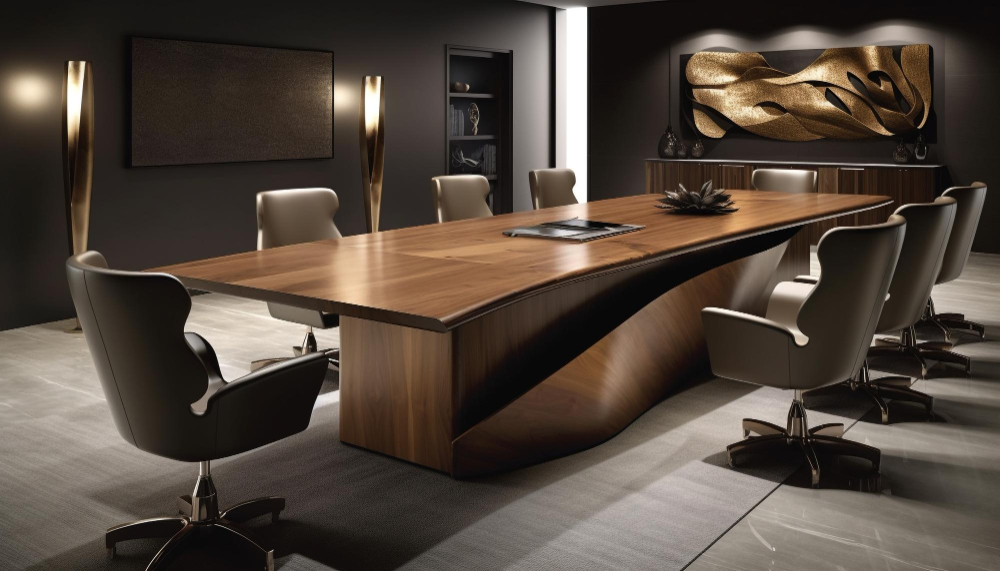

Why Your Reception Desk Is the Most Important Piece of Furniture You Own
Most business owners spend weeks agonizing over paint colors, lighting fixtures, and flooring. Then they walk into a big-box furniture store, grab whatever reception desk fits the budget, and call it a day. And that’s exactly where they lose the plot.
Your reception area is the first thing every client, partner, investor, and job candidate sees when they walk through your door. It sets the tone before anyone says a word. It communicates your values, your taste, and — whether you like it or not — how seriously you take your business. A generic desk from a catalog says one thing. A thoughtfully designed, well-crafted custom reception desk says something completely different.
So let’s talk about what it actually takes to get that first impression right.
What “Custom” Actually Means — and Why It Matters
There’s a lot of loose use of the word “custom” in the furniture world. Some retailers slap the label on anything that comes in three finish options. That’s not custom. That’s a limited menu.
True customization means starting with your space, your brand, and your vision — and building something from scratch to serve all three. It means your desk fits the exact dimensions of your lobby, reflects the precise visual identity of your brand, and functions exactly the way your front-of-house team needs it to.
At Studio Other, that’s the only kind of custom we do. No catalog. No compromise. Just your ideas matched with deep design expertise and obsessive attention to detail.
The difference shows up immediately. When clients walk into a space and see a reception desk that looks like it was designed specifically for that room — because it was — they feel it. It signals that this is a company that sweats the details, that cares about craft, and that doesn’t cut corners.
Getting the Design Right: Where to Start
Think About Function Before Form
A beautiful desk that doesn’t work for your team is just expensive art. Before you get into materials and finishes, think hard about how your reception area actually operates day to day.
Does your receptionist need to manage multiple screens? Do you handle walk-in clients who need privacy during check-in? Is ADA compliance a concern? Do you need integrated cable management to keep things clean? These functional requirements should drive the initial design brief — the aesthetic choices layer on top.
Your Brand Is the Starting Point for Style
A law firm and a creative agency should not have the same reception desk. Full stop. Your desk should feel like an extension of your brand identity — not something that happens to sit in front of your logo.
Think about the materials, shapes, and proportions that reflect your company’s character. A tech startup might lean into clean lines, matte metals, and minimal profiles. A luxury real estate firm might want rich wood veneers, integrated lighting, and a sweeping curved front panel. Neither is right or wrong — both are intentional.
This is where a co-design process becomes invaluable. Rather than handing a designer a vague brief and hoping for the best, you stay in the conversation. You push back, refine, and end up with something that genuinely feels like yours.
Scale and Proportion: The Details Most People Miss
One of the most common mistakes in reception design is getting the scale wrong. A desk that’s too small for a large lobby looks like an afterthought. A desk that’s too massive for a compact entrance feels oppressive and unwelcoming. Proper spatial planning — factoring in ceiling height, traffic flow, sightlines, and the proportions of surrounding architectural elements — is what separates a professionally designed space from a well-intentioned one.
Materials That Make a Statement
The material palette you choose does a lot of the heavy lifting in terms of visual impact and perceived quality. Here’s a quick breakdown of what works well and why:
Solid wood and wood veneers bring warmth, craftsmanship, and timelessness. They photograph beautifully and age with character. Great for firms that want to project stability and heritage.
Steel and metal accents introduce an industrial edge or a high-end modern precision, depending on how they’re used. Brushed finishes soften the look; polished finishes sharpen it.
Stone and stone-look surfaces — whether genuine quartzite or high-quality engineered alternatives — communicate luxury and permanence in a way few other materials can.
Lacquered panels and solid color surfaces are clean, graphic, and brand-forward. If your visual identity is built around a specific color, incorporating it into the desk itself is one of the most impactful branding moves you can make.
No material is off the table. The right choice depends on your brand, your environment, and your budget — but the conversation should start with what’s right, not what’s easiest to source.
Trends Worth Paying Attention To in 2025
A modern reception desk today looks nothing like it did a decade ago. The heavy, fortress-style desks that dominated corporate lobbies throughout the 2000s are giving way to something lighter, more human, and more considered.
Some of the strongest trends shaping reception design right now:
- Floating and cantilevered designs that create visual lightness and openness
- Mixed material combinations — wood with metal, stone with lacquer — that add depth and contrast
- Integrated greenery and biophilic elements that make spaces feel alive
- Lower, more accessible profiles that prioritize approachability and ADA alignment
- Statement lighting built into the desk structure itself
These aren’t trends to chase blindly. But understanding where design is heading helps you make choices that will feel current five years from now, not dated.
Why Working With a Bespoke Furniture Studio Changes the Outcome
You could piece together a custom-ish look by buying separate components, mixing finishes, and hoping everything coordinates. Some businesses do this and pull it off. Most don’t.
Working with a studio that does bespoke furniture — one that designs and builds as part of the same process — is a fundamentally different experience. You get engineering expertise alongside design vision. You get fabrication knowledge that informs design decisions early, so what looks great on paper also holds up in the real world. And you get a single point of accountability from first sketch to final installation.
A custom office desk designed for an executive suite and a reception desk designed for your lobby should feel like they belong to the same design family. That coherence across a space is what elevates interiors from nice to genuinely impressive. It doesn’t happen by accident.
What to Expect From the Process
A well-run custom furniture project follows a clear arc: discovery, concept development, design refinement, engineering, fabrication, and installation. At each stage, you should be involved and informed — not handed a finished product and hoping it matches the rendering.
Lead times for custom furniture typically range from 8 to 16 weeks depending on complexity and material selection. Plan accordingly. If you’re working around a lease start date, an office move, or a grand opening, build that timeline into your project brief from day one.
And don’t underestimate the value of a 12-year warranty. A well-made custom piece should last — and when it comes from a studio that stands behind its work, you have genuine peace of mind that goes well beyond the day of installation.
Make Your Lobby Do the Work It’s Supposed to Do
Your reception area is a business asset. It works for you every single day — qualifying prospects, reassuring clients, setting the tone for every conversation that follows. A custom reception desk designed with intention, built with craft, and aligned with your brand identity is one of the highest-leverage investments you can make in your physical space.
Studio Other specializes in bespoke furniture designed around your vision and built by the best fabricators in the US. If you’re ready to make your lobby work harder, let’s start the conversation.