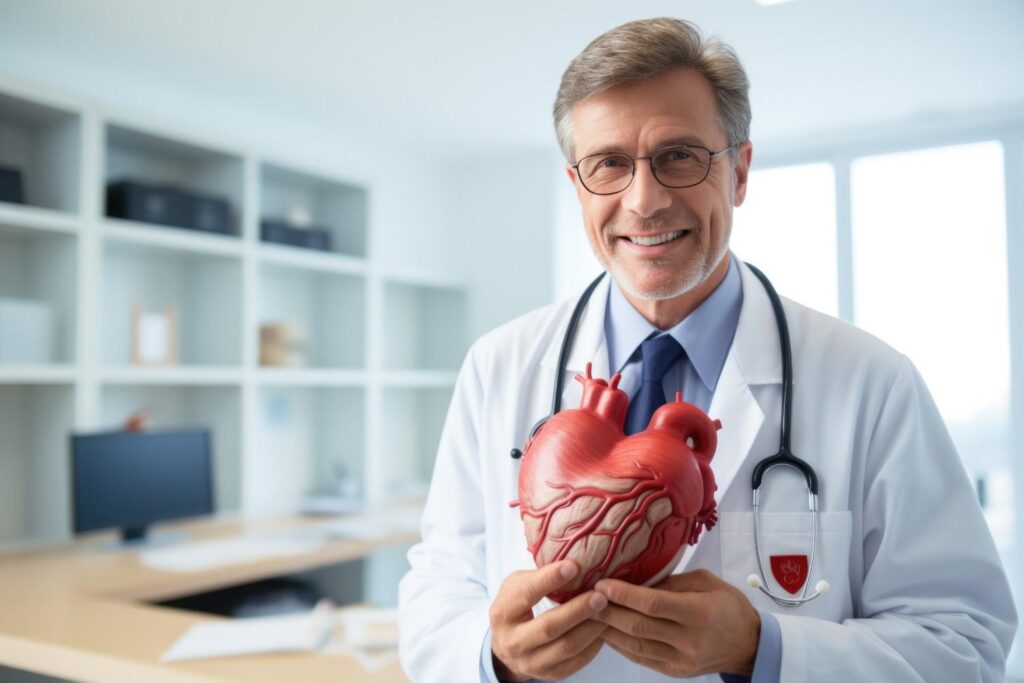

Heart health is something many people tend to ignore until a serious issue shows up. The challenge is that the heart often gives early warning signs, but they are usually mild or confusing, so people delay checking them. Paying attention early can make a huge difference in preventing complications and getting the right treatment at the right time.
Even in a heart specialist hospital in Anna nagar, doctors often notice that patients come in after symptoms have been present for a while. Most heart conditions become easier to manage when detected early, which is why understanding the warning signs is so important for everyone, including young adults.
Let’s go through the key signs that should not be ignored.
- Chest Pain or Discomfort
Chest pain is one of the most important warning signs of heart-related issues. It may feel like:
- Pressure or tightness in the chest
- Burning sensation
- Heavy weight on the chest
- Pain spreading to the arm, neck, or jaw
While not all chest pain is heart-related, it should always be checked. If it happens during physical activity or suddenly increases in intensity, it needs immediate attention.
- Shortness of Breath
If you feel breathless while doing simple activities like walking, climbing stairs, or even while resting, it may be related to heart function.
This can happen when the heart is not pumping blood efficiently, leading to reduced oxygen supply in the body. If this happens frequently, it should not be ignored.
- Irregular Heartbeat (Palpitations)
A healthy heartbeat is usually steady. But if you notice:
- Sudden fast heartbeat
- Skipped beats
- Fluttering or pounding sensation in the chest
It may indicate an irregular rhythm. Some cases are harmless, but others may require proper medical evaluation.
- Unusual Fatigue or Weakness
Feeling tired all the time without doing much activity can be an early sign of heart problems. When the heart struggles to supply enough oxygen-rich blood, the body starts feeling weak and low on energy.
If fatigue continues even after rest, it should be checked.
- Dizziness or Fainting
Frequent dizziness or fainting spells may be linked to:
- Sudden drop in blood pressure
- Irregular heart rhythm
- Reduced blood flow to the brain
If fainting happens unexpectedly, it is important to seek medical attention immediately.
- Swelling in Legs, Ankles, or Feet
Swelling in the lower body can happen when the heart is not pumping blood properly. This leads to fluid buildup in tissues.
If swelling continues along with tiredness or breathlessness, it may indicate a heart-related concern.
- Pain in Other Areas of the Body
Heart problems are not always felt only in the chest. Pain can also appear in:
- Left arm
- Shoulder
- Back
- Neck or jaw
These symptoms should be taken seriously, especially if they appear suddenly.
- High Blood Pressure Symptoms
High blood pressure is often silent, but sometimes it may cause:
- Headaches
- Blurred vision
- Nosebleeds
- Chest discomfort
If you already have high blood pressure, regular heart check-ups are very important.
- Excessive Sweating
Sudden cold sweating without any physical activity or heat exposure can sometimes be a warning sign of heart stress. If it occurs along with chest pain or breathlessness, it should be treated seriously.
- Persistent Cough or Wheezing
A long-lasting cough or breathing difficulty that does not improve may sometimes be linked to heart problems due to fluid buildup in the lungs. This is often mistaken for a normal respiratory issue.
- Risk Factors You Should Not Ignore
Even if symptoms are not present, certain factors increase the risk of heart disease:
- Smoking or tobacco use
- Diabetes
- High cholesterol
- Obesity
- Lack of physical activity
- Family history of heart disease
If you fall into any of these categories, regular heart check-ups are strongly recommended.
When You Should Act Immediately
You should seek emergency care if you experience:
- Severe chest pain lasting more than a few minutes
- Sudden shortness of breath
- Fainting or collapse
- Pain spreading to arm, jaw, or back with sweating
In such situations, reaching a nearby heart hospital in Mogappair without delay can help ensure quick diagnosis and timely treatment.
Why Early Action Matters
Heart conditions are much easier to manage when detected early. Timely consultation with a cardiologist can:
- Prevent heart attacks
- Control blood pressure
- Improve heart function
- Reduce long-term complications
Many heart diseases develop slowly over time, so early attention to symptoms is always important.
Diagnosis and Treatment Methods
Cardiologists use several tests to evaluate heart health, such as:
- ECG (Electrocardiogram)
- 2D Echo
- Stress test
- Blood tests
- Angiography
Based on results, treatment may include:
- Medicines
- Lifestyle changes
- Minimally invasive procedures
- Surgery in severe cases
Conclusion
Your heart is one of the most important organs in your body, and even small warning signs should never be ignored. Symptoms like fatigue, chest discomfort, or irregular heartbeat may seem minor at first, but they can indicate serious conditions if left unchecked.
Understanding these signs and seeking timely medical care can help prevent complications and improve long-term health. A healthy lifestyle, regular check-ups, and early action are the key steps to keeping your heart strong and healthy.