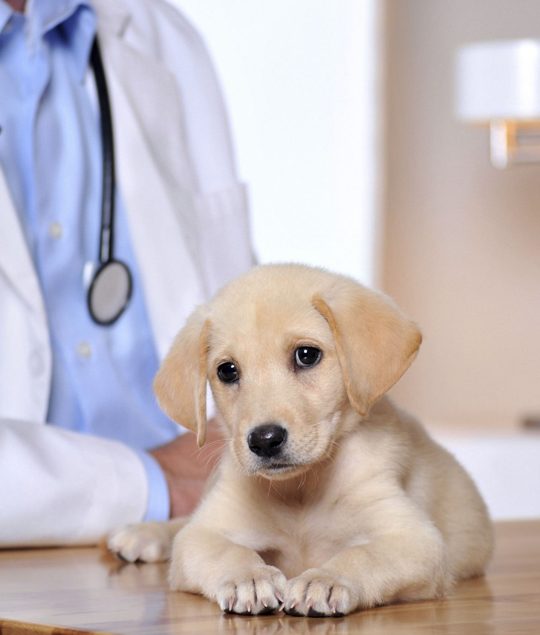

A pet emergency can change your day in seconds. One moment your dog runs through the yard. The next moment, your pet refuses to stand, struggles to breathe, or cries in pain. Fast action matters during these moments. An experienced emergency vet in Calgary can help reduce pain, prevent serious complications, and improve recovery chances for your pet.
Many pet owners wait too long because they hope symptoms will pass. That delay can make treatment harder. Pets often hide pain well. Small signs can point to a major health problem. Knowing what to watch for helps you protect your pet before the condition becomes critical.
Common Signs Your Pet Needs Urgent Care
Some symptoms should never wait until the next day. Pets cannot explain discomfort. You need to notice changes in behavior, movement, eating habits, and breathing.
Watch for these warning signs:
- Trouble breathing
- Sudden weakness or collapse
- Heavy bleeding
- Seizures
- Severe vomiting or diarrhea
- Swollen abdomen
- Trouble walking
- Poison exposure
- Loss of appetite for over 24 hours
- Crying or signs of severe pain
A fast response can save your pet’s life. Conditions like internal bleeding, heatstroke, or blocked airways worsen quickly. Early treatment often means fewer complications and a shorter recovery period.
Why Speed Matters During a Pet Emergency
A medical emergency affects the body fast. Blood pressure may drop. Oxygen levels can fall. Organs can begin to fail within hours.
Quick veterinary care gives doctors time to stabilize your pet before the condition becomes worse. Early treatment also lowers the risk of long-term damage.
For example, dehydration from repeated vomiting can lead to kidney problems. A broken bone left untreated may heal incorrectly. Breathing problems can become life-threatening within minutes.
Many emergency cases improve when pets receive care early. Waiting often increases stress for both pets and owners.
What Happens During an Emergency Visit
Many pet owners panic because they do not know what happens inside an emergency clinic. Understanding the process helps you stay calmer during stressful situations.
The veterinary team usually starts with triage. This means they check the most serious cases first. Pets with breathing trouble, severe injuries, or active bleeding receive immediate attention.
After the first assessment, the medical team may recommend:
- Blood tests
- X-rays
- Ultrasound imaging
- Pain control
- Oxygen therapy
- IV fluids
- Emergency surgery
The goal is simple. Stabilize the pet, identify the problem, and begin treatment quickly.
Modern veterinary medicine allows clinics to diagnose many conditions faster than before. Digital imaging and in-house testing help veterinarians make faster decisions during emergencies.
How a Pet Hospital in Calgary Supports Recovery
Recovery does not stop after treatment. Follow-up care plays a major role in healing. A trusted pet hospital in Calgary can monitor your pet closely and adjust treatment when needed.
Some pets recover within days. Others need weeks of medical support, medication, or rehabilitation. The right care plan helps reduce pain and improves comfort during recovery.
Veterinary teams often guide owners through:
- Medication schedules
- Wound care
- Nutrition changes
- Physical activity limits
- Follow-up exams
Clear instructions help prevent setbacks at home. Small mistakes during recovery can slow healing or create new health issues.
Preventive Care Helps Reduce Emergencies
Many emergency visits begin with health problems that developed slowly over time. Routine wellness exams help veterinarians detect issues early.
Regular checkups can uncover:
- Heart disease
- Dental infections
- Diabetes
- Arthritis
- Kidney disease
- Weight problems
Early treatment lowers the risk of sudden emergencies later. Preventive care also saves money over time because advanced medical treatment often costs more.
Vaccinations and parasite prevention also protect pets from serious illnesses. A strong prevention plan gives your pet a better quality of life.
Stress Can Affect Pets During Emergencies
Pets react strongly to fear, pain, and unfamiliar environments. Stress may raise heart rate, worsen breathing problems, and increase discomfort.
You can help your pet stay calmer by:
- Speaking in a soft voice
- Using a secure carrier
- Keeping movements gentle
- Avoiding loud noises
- Bringing familiar blankets or toys
Your behavior matters. Pets often react to your emotions. Staying calm helps your pet feel safer during treatment.
Understanding the Cost of Emergency Veterinary Care
Emergency treatment often costs more than routine care because clinics use advanced equipment and urgent medical support. Many emergencies also require immediate testing, surgery, or overnight monitoring.
Still, delaying treatment may lead to even higher costs later. A minor problem can become severe within hours.
Pet insurance may help reduce financial stress during emergencies. Some owners also create emergency savings funds for unexpected veterinary costs.
The important thing is not to ignore symptoms because of fear or uncertainty. Early medical care often leads to better outcomes and shorter recovery times.
Choosing the Right Veterinary Team
Trust matters during emergencies. You want a clinic that listens carefully, explains treatment clearly, and treats your pet with compassion.
Look for a veterinary team that offers:
- Emergency care experience
- Diagnostic technology
- Clear communication
- Compassionate handling
- Follow-up support
- Preventive wellness services
A reliable veterinary team becomes an important partner in your pet’s long-term health.
Pet Hospital in Calgary and Long-Term Wellness
Good veterinary care focuses on more than emergencies alone. Long-term wellness support helps pets stay healthier through every stage of life.
Puppies and kittens need vaccines and early exams. Adult pets benefit from routine screenings and dental care. Senior pets often require closer monitoring for arthritis, organ disease, and mobility issues.
A dependable pet hospital in Calgary can help create personalized care plans based on your pet’s breed, age, and lifestyle. Consistent care improves comfort, mobility, and overall health over time.
Small Symptoms Can Point to Bigger Problems
Some emergencies begin with subtle signs. A pet may eat less, sleep more, or avoid stairs. Many owners dismiss these changes because they seem minor.
But small behavior changes often signal pain or illness.
A dog that suddenly becomes quiet may have internal discomfort. A cat hiding more than usual could be sick. Limping after exercise may point to joint injuries or muscle damage.
Trust your instincts. You know your pet better than anyone else. If something feels wrong, contact a veterinarian.
Helping Your Pet Stay Safe Every Day
You cannot prevent every emergency, but simple habits lower risks significantly.
Keep toxic foods away from pets. Store medications safely. Use leashes during walks. Schedule routine exams. Watch for behavior changes at home.
These steps help protect your pet from avoidable injuries and illnesses.
When urgent care becomes necessary, fast treatment can make recovery smoother and less painful. An experienced emergency vet in Calgary can provide the medical support pets need during critical moments. For compassionate care, preventive services, diagnostics, and emergency support, Silverado Veterinary Hospital continues to help Calgary pet owners protect their pets’ health with confidence. Visit us to learn more about caring for your pet before emergencies become more serious.
Frequently Asked Questions
How do I know if my pet needs emergency care?
Signs like breathing trouble, seizures, collapse, severe vomiting, heavy bleeding, or sudden weakness require immediate veterinary attention.
Can I wait until morning for my sick pet?
Some conditions become worse within hours. It is safer to contact a veterinarian if symptoms appear severe or unusual.
What should I bring during an emergency visit?
Bring medical records, medications, vaccination details, and information about symptoms or possible toxins your pet consumed.
Why do pets hide pain so well?
Animals naturally hide weakness as a survival instinct. Small behavior changes often reveal health problems early.
How can routine care prevent emergencies?
Regular wellness exams help detect diseases earlier. Early treatment lowers the risk of sudden health complications later.