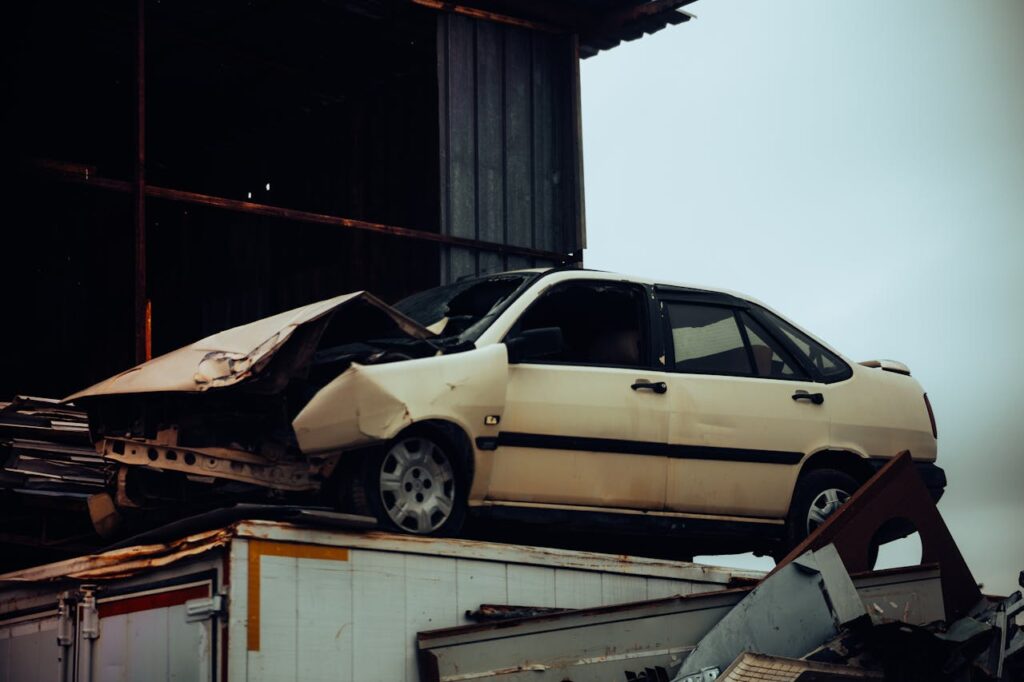

When you hand over your old vehicle to a scrapyard, it may feel like the end of the road for your car. But behind the scenes, a highly organized and efficient system springs into action. The scrap car industry is far more sophisticated than many people realize—it’s a blend of logistics, recycling, environmental management, and resale operations working together to extract maximum value from every vehicle.
Let’s take a closer look at what really happens behind the scenes in the scrap car industry.
The First Step: Collection and Transportation
The process begins when a vehicle owner decides to get rid of their car. Many companies offering scrap car removal provide towing services, often free of charge. Once scheduled, a tow truck is dispatched to pick up the vehicle from your location.
At this stage, the car is assessed briefly for its condition, make, model, and weight. This helps determine its initial value and what parts may be salvageable later on.
Inspection and Evaluation
Once the vehicle arrives at the scrapyard or recycling facility, it goes through a more detailed inspection. Professionals evaluate whether any components can be reused or refurbished. Even cars that appear completely worn out often contain valuable parts.
Items like engines, transmissions, alternators, and electronic systems are checked carefully. If they are still functional, they are removed and set aside for resale in the used parts market.
Depollution: Protecting the Environment
One of the most critical steps in the process is depollution. Vehicles contain several hazardous fluids and materials that must be handled safely. These include:
- Engine oil
- Coolant
- Brake fluid
- Transmission fluid
- Fuel
Technicians drain and store these substances using specialized equipment. Batteries are also removed and sent for separate recycling. This step ensures that harmful chemicals don’t leak into the environment.
Dismantling and Parts Recovery
After depollution, the car is dismantled. Skilled workers remove reusable components such as doors, mirrors, tires, and interior parts. These items are cleaned, tested, and often sold to repair shops or individuals looking for affordable replacements.
This stage plays a major role in extending the life cycle of car parts, reducing the need for new manufacturing and saving resources.
Metal Processing and Crushing
Once all valuable parts are removed, what remains is primarily the vehicle’s metal frame. This shell is then crushed into compact pieces using heavy machinery.
The crushed metal is transported to recycling facilities where it is shredded and sorted. Advanced systems separate different types of metals like steel and aluminum, which are then melted down and reused in manufacturing new products.
Recycling and Reuse
The scrap metal recovered from vehicles doesn’t go to waste. It’s reused in producing new cars, construction materials, appliances, and more. Recycling metal uses significantly less energy compared to mining and refining raw materials, making it a more sustainable option.
Other materials, such as plastics and rubber, are also processed and repurposed wherever possible.
Pricing and Market Influence
The value of a scrap car depends heavily on current market conditions. Metal prices fluctuate based on global demand, which directly impacts how much scrapyards are willing to pay.
Additionally, the make, model, and condition of the vehicle influence its worth. Cars with high-demand parts may fetch higher prices than those valued purely for their metal content.
Compliance and Regulations
The scrap car industry operates under strict environmental and legal regulations. Facilities must follow guidelines for handling hazardous materials, recycling processes, and record-keeping.
Vehicle ownership must also be verified before scrapping to prevent illegal activities. Once processed, the car is deregistered, ensuring it cannot return to the road.
The Role of Technology
Modern scrapyards are increasingly adopting advanced technologies to improve efficiency. Automated systems help sort materials more accurately, while digital inventory tools track reusable parts for resale.
These innovations not only streamline operations but also maximize the recovery of valuable materials from each vehicle.
Economic and Environmental Impact
The scrap car industry plays a vital role in both the economy and the environment. It creates jobs in towing, dismantling, recycling, and resale sectors. At the same time, it reduces landfill waste and lowers the demand for raw material extraction.
By recycling vehicles, the industry helps conserve natural resources and minimize environmental damage.
Final Thoughts
What may seem like the end of a vehicle’s life is actually the beginning of a new cycle. Behind the scenes, the scrap car industry transforms old, unused cars into valuable resources through a well-structured and environmentally responsible process.
From collection and inspection to recycling and resale, every step is designed to recover as much value as possible. So the next time you consider letting go of an old car, remember that it’s not just being discarded—it’s being carefully processed and repurposed in ways that benefit both the economy and the planet.