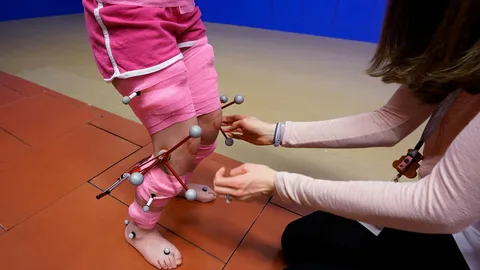

As children grow, their bodies undergo rapid changes, and their feet are the foundation of this development. While many childhood foot conditions are a normal part of growth, some issues can lead to persistent pain or walking difficulties if left unaddressed. For parents in the capital, accessing expert podiatry services in Edinburgh for a clinical gait analysis is the most effective way to ensure their child’s lower limbs are developing correctly.
A gait analysis is a professional assessment of how a child moves. By observing the mechanics of walking and running, podiatrists can identify subtle misalignments that might impact a child’s comfort and activity levels.
What is Clinical Gait Analysis?
Clinical gait analysis is a comprehensive evaluation of the “walking cycle.” It goes beyond a simple visual check. Podiatrists look at how the feet, ankles, knees, and hips work together to move the body forward. In children, this is particularly important because their bones are still ossifying (hardening), and their coordination is still maturing.
By using a combination of clinical experience and modern technology, expert podiatry services in Edinburgh can determine if a child’s walking pattern is within the expected range for their age or if it requires intervention.
Key Components of a Pediatric Assessment
A thorough pediatric gait analysis at a specialist clinic involves several detailed stages:
1. Non-Weight Bearing Examination
Before the child starts moving, the podiatrist examines the feet while they are sitting or lying down. They check for joint flexibility, muscle strength, and any skin or nail issues. They also look at the shape of the foot to identify conditions like flexible flat feet or high arches.
2. Static Posture Check
The specialist observes the child standing still. They look at the alignment of the heels, the position of the knees (checking for “knock-knees” or “bow-legs”), and the symmetry of the hips and shoulders.
3. Dynamic Video Analysis
This is the core of the gait analysis. The child walks or runs on a treadmill or along a specialized pressure track. High-speed cameras capture the movement from multiple angles.
How this helps:
-
Initial Contact: Does the child land on their heel, midfoot, or toes?
-
Mid-Stance: Does the arch collapse (overpronation) as weight is applied?
-
Toe-Off: Is the child pushing off efficiently from the big toe?
Common Issues Identified in Children
Clinical gait analysis is essential for diagnosing and managing common pediatric concerns, including:
-
In-toeing (Pigeon Toes): Where the feet point inward rather than straight ahead. This can originate from the feet, the shins, or the hips.
-
Toe Walking: While common in toddlers, persistent toe walking in older children can lead to tight calf muscles and balance issues.
-
Sever’s Disease: This is a common cause of heel pain in active children aged 8 to 14. It is caused by inflammation of the growth plate in the heel.
-
Frequent Tripping: If a child appears “clumsy,” it may be due to a mechanical issue in their gait that can be corrected with therapy or footwear.
The Benefits of Early Intervention
The primary goal of expert podiatry services in Edinburgh is to catch potential problems before they become permanent. The bones of the foot do not fully finish growing until the late teens. This “window of opportunity” allows podiatrists to guide the foot into a more neutral position during the growth phase.
Correcting a gait issue in childhood can prevent:
-
Chronic Pain: Reducing strain on the knees and lower back.
-
Activity Avoidance: Ensuring the child can participate in PE and sports without discomfort.
-
Secondary Deformities: Preventing the development of bunions or hammer toes in later life.
Treatment and Management Plans
If the gait analysis reveals a problem, the podiatrist will create a tailored management plan. This rarely involves surgery and instead focuses on conservative, non-invasive methods:
-
Footwear Guidance: Recommending shoes that provide the right balance of support and flexibility for the child’s specific foot type.
-
Custom Pediatric Orthotics: Bespoke insoles that realign the foot and reduce pressure on vulnerable growth plates.
-
Stretching and Strengthening: Simple, fun exercises designed to correct muscle imbalances and improve coordination.
-
Active Monitoring: Regular “check-ins” to ensure the child is meeting developmental milestones as they grow.
Supporting Active Families in Edinburgh
Edinburgh is a city that encourages an active lifestyle. From school sports at Inverleith Park to weekend walks in the Pentlands, children need healthy feet to keep up with the demands of the local environment.
By choosing expert podiatry services in Edinburgh, parents ensure their children have the best possible start. A professional gait analysis provides peace of mind, knowing that any developmental “hiccups” are being managed by a specialist.
Final Thought
Healthy walking patterns are essential for a child’s confidence and physical wellbeing. If you have noticed your child walking unusually or if they frequently complain of tired legs, a clinical assessment is the right next step. Expert pediatric care ensures that every step your child takes is a step toward a healthy, active future. Don’t wait for pain to become a problem—invest in a professional gait analysis today to keep your child moving freely.