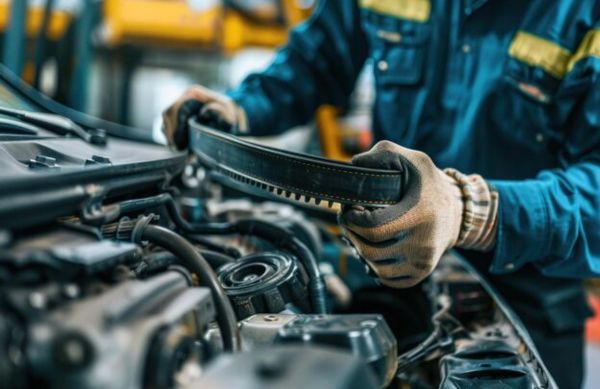

Your vehicle’s engine relies on several components working in perfect sync. One of the most important parts responsible for this coordination is the timing belt. This belt connects the crankshaft and camshaft, ensuring that engine valves open and close at the correct time during each combustion cycle.
When the timing belt begins to wear out, the engine’s performance can quickly suffer. If the belt fails completely, it can lead to serious engine damage. That is why recognising early warning signs is important for every car owner. Understanding these signs can help you schedule a professional timing belt replacement service before the problem becomes severe.
Below are several signs that may indicate your vehicle’s timing belt needs attention.
Unusual Engine Ticking Sounds
One of the first symptoms of timing belt wear is a ticking sound coming from the engine. The timing belt controls the rotation of engine components, and when it begins to stretch or wear out, the engine may produce unusual sounds.
A worn belt can cause the camshaft and crankshaft timing to shift slightly. This change may lead to irregular movement within the valve train, creating a noticeable ticking noise. If you hear this type of sound consistently, it is a good idea to have the engine inspected at a trusted auto repair shop.
Ignoring these sounds can allow the belt to deteriorate further.
Engine Misfiring or Rough Performance
Another common sign of timing belt trouble is engine misfiring. When the belt becomes worn or loses tension, it may slip slightly on the camshaft gear. Even a small shift in timing can affect the engine’s combustion process.
Drivers may notice rough idling, reduced power, or hesitation when accelerating. These symptoms often lead car owners to visit an experienced technician at an auto mechanic shop for a full engine inspection.
Proper diagnosis helps determine whether the issue is related to the timing belt or another engine component.
Difficulty Starting the Engine
A failing timing belt can also make it harder to start the vehicle. If the belt has stretched significantly or is beginning to slip, the engine’s internal timing may not align properly during startup.
When this happens, the engine may crank longer than usual before starting. In some cases, it may fail to start altogether. Mechanics working at an auto shop Perth location can check the timing system and confirm whether the belt is responsible for the starting issue.
Early inspection is important because once a timing belt breaks completely, the engine may stop running immediately.
Visible Wear or Cracks on the Belt
While many timing belts are hidden beneath protective covers, technicians can sometimes inspect them during routine maintenance. Signs of wear include cracks, frayed edges, or glazing on the belt surface.
These signs usually appear as the belt ages and loses flexibility. If visible damage is detected during a routine inspection at a car service shop, technicians will normally recommend replacing the belt before it fails.
Regular inspections are one of the simplest ways to avoid unexpected timing belt problems.
Oil Leaks Around the Timing Cover
Oil leaks near the timing belt cover can also signal trouble. The timing belt is designed to operate in a clean environment. When oil leaks from nearby seals, it can contaminate the belt and cause it to deteriorate faster.
Technicians providing professional auto care services often check for oil leaks during routine engine inspections. Addressing these leaks early helps protect the belt and other engine components.
If oil continues to reach the belt area, it can weaken the belt material over time.
High Mileage Without Replacement
Even if your vehicle appears to be running normally, the timing belt still requires replacement at recommended intervals. Most manufacturers specify a mileage range where the belt should be replaced to avoid failure.
Drivers who are unsure about their vehicle’s maintenance history should consult a trusted auto care shop for advice. Mechanics can review service records and determine whether the belt is approaching the end of its service life.
Replacing the belt at the correct interval is far safer than waiting for visible symptoms to appear.
Why Timing Belt Maintenance Matters
The timing belt plays a critical role in engine operation. If the belt breaks while the engine is running, pistons and valves may collide. This can result in extensive internal damage that requires major engine repairs.
Routine inspections and scheduled timing belt replacement Perth services help prevent this type of failure. Skilled technicians check the belt condition, tension components, and related parts to ensure everything continues operating correctly.
Some drivers also research topics like timing belt replacement cost in Perth, but the most important factor is ensuring the replacement is done at the right time by experienced technicians.
Final Thoughts
Your timing belt may not be visible during everyday driving, but it plays a vital role in keeping your engine running smoothly. Strange engine sounds, misfires, starting problems, or oil leaks near the timing cover can all indicate that the belt needs attention.
Regular inspections at a trusted automotive service centre and timely timing belt replacement service help protect your engine and maintain reliable performance. Paying attention to early warning signs can save drivers from unexpected breakdowns and ensure their vehicles remain safe and dependable on the road.