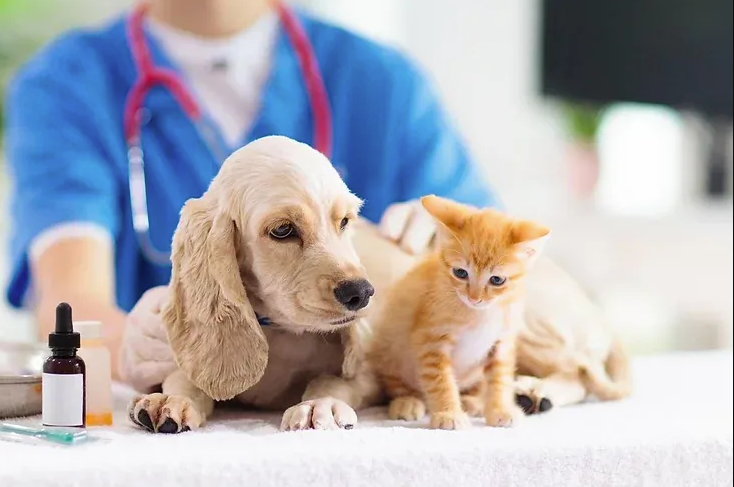

Caring for an older pet brings new questions and real concerns. Senior pet care becomes essential when your dog or cat slows down, sleeps more, or shows subtle behavior changes. Aging does not mean decline is inevitable. With informed care, many older pets stay comfortable, alert, and engaged for years.
This guide focuses on what matters most to you: comfort, dignity, and health for your aging companion. Every section is practical, clear, and rooted in how pets actually age.
Understanding What Changes as Pets Age
Aging affects every system in your pet’s body. Some changes show early. Others stay hidden until stress exposes them.
You may notice slower movement, stiffness after rest, or less interest in play. These signs often point to joint wear or muscle loss. Inside the body, organs also age. The kidneys filter slower. The heart works harder. Immunity weakens.
None of this happens overnight. Aging follows a gradual curve. The goal of care is to slow that curve and ease its impact.
Why Senior Pet Care Needs a Different Approach
Senior pet care shifts the focus from prevention alone to comfort and monitoring. Younger pets bounce back fast. Older pets need support before small problems grow.
Routine exams matter more now. Subtle weight loss, dental pain, or mild arthritis can hide in plain sight. When caught early, many age-related issues stay manageable.
This stage also demands closer attention at home. You know your pet best. Small changes in appetite, posture, or mood often signal deeper needs.
Mobility, Pain, and Daily Comfort
Joint pain ranks as one of the most common challenges in older pets. Arthritis affects movement, sleep, and mood. Pain changes behavior before it limits walking.
Watch for these signs:
- Hesitation before stairs or jumping
- Limping after rest
- Restlessness at night
- Less interest in walks or play
Comfort starts with simple changes. Soft bedding reduces pressure on joints. Ramps replace jumps. Short, steady walks keep muscles active without strain.
Pain management works best when steady, not reactive. A calm, predictable routine helps your pet move with confidence.
Nutrition That Supports Aging Bodies
Food fuels comfort. Aging pets need nutrition that protects muscles, joints, and organs without excess calories.
Protein remains important. It preserves muscle and strength. The key lies in balance, not restriction. Digestive systems also slow with age. Easy-to-digest meals reduce strain.
Weight control protects joints and the heart. Even small weight gain worsens arthritis and breathing effort. Regular weigh-ins help you adjust early.
Hydration matters more than many realize. Older pets dehydrate faster. Fresh water access and moisture-rich food support kidney health.
Dental Health Often Drives Hidden Pain
Dental disease causes silent suffering in senior pets. Infected gums hurt. Loose teeth affect eating. Bacteria from the mouth travel through the bloodstream.
Bad breath is not normal aging. Neither is dropping food or chewing on one side. These signs often point to oral pain.
Regular dental checks protect more than teeth. They support heart, kidney, and liver health. A comfortable mouth improves appetite and mood.
Aging Pets Healthcare and Preventive Monitoring
Aging pets healthcare focuses on tracking change over time, not chasing symptoms. Regular lab work reveals trends that physical exams cannot.
Blood and urine tests monitor organ function. Imaging checks internal structure. These tools help catch disease before it disrupts daily life.
Chronic conditions often overlap. Arthritis, kidney disease, and heart issues may appear together. A coordinated care plan keeps treatments aligned and stress low.
Consistency matters. Seeing the same team allows patterns to emerge. Patterns guide better decisions.
Cognitive Health and Emotional Well-Being
The mind ages too. Some pets show confusion, pacing, or altered sleep cycles. Others grow anxious or clingy.
Mental decline does not mean loss of awareness. It often reflects changes in how the brain processes signals. Gentle routines provide stability.
Mental stimulation still matters. Short training sessions, puzzle toys, and calm interaction keep the brain engaged. Predictable schedules reduce anxiety.
Your presence remains the strongest comfort. Familiar voices, smells, and touch ground aging pets in safety.
Vision, Hearing, and Sensory Changes
Older pets may lose vision or hearing gradually. They rely more on memory and scent.
Avoid sudden furniture changes. Keep pathways clear. Use verbal cues paired with touch. Approach gently to avoid startling them.
Sensory loss often looks like stubbornness. It rarely is. Patience restores trust and confidence.
The Role of Routine in Comfort
Routine gives aging pets control. Meals at the same time. Walks on familiar paths. Consistent sleep spaces.
Predictability lowers stress hormones. Lower stress supports immunity, digestion, and mood. Small routines add up to big comfort.
Changes should come slowly. Introduce new food or activity in steps. Watch response before adding more.
When to Seek Extra Support
You should not wait for crisis. Pain, weight loss, or behavior shifts deserve attention early.
Seek help if you notice:
- Rapid decline in activity
- Ongoing appetite loss
- Trouble breathing
- Persistent discomfort
- Sudden confusion
Early support preserves quality of life. Delays often limit options.
A Thoughtful Approach to Senior Pet Care Planning
Planning reduces fear. It helps you make clear decisions before stress clouds judgment.
Talk about comfort goals. Discuss pain management options. Understand what quality of life looks like for your pet.
Senior pet care works best when guided by shared understanding. You advocate. Professionals guide. Your pet benefits.
Frequently Asked Questions
How often should senior pets see a veterinarian?
Most senior pets benefit from checkups every six months to track changes early.
What age is considered senior for dogs and cats?
Cats and small dogs often reach senior status around seven years. Large dogs age sooner.
Can arthritis be managed without surgery?
Yes. Many pets improve with weight control, lifestyle changes, and pain management.
Do older pets still need vaccines?
Yes, though schedules may adjust based on health and risk factors.
How do I know if my senior pet is in pain?
Behavior changes, stiffness, appetite shifts, and restlessness often signal discomfort.
Supporting Comfort Through Trusted Care
Senior pet care demands patience, insight, and steady guidance. Aging pets rely on you to notice changes and act early. When care focuses on comfort, pets stay engaged with life longer.
At Silverado Veterinary Hospital, thoughtful aging care centers on comfort, clarity, and trust. If your pet shows signs of aging or you want a clear plan ahead, visit us and start the conversation today.