
As energy costs rise and climate goals become more ambitious, the way we heat and cool our homes is changing. Around the world, homeowners, builders, and policymakers are looking for systems that offer comfort, efficiency, and long-term value. Air-source heat pump technology is emerging as one of the most practical answers to these demands.
Once seen as a niche solution, air-source heat pumps are now a central part of modern home comfort strategies. Advances in design, performance, and smart controls have made them suitable for a wide range of climates and housing types. For many households, they represent not just a heating system, but a smarter way to manage energy year-round.
What Is Air-Source Heat Pump Technology?
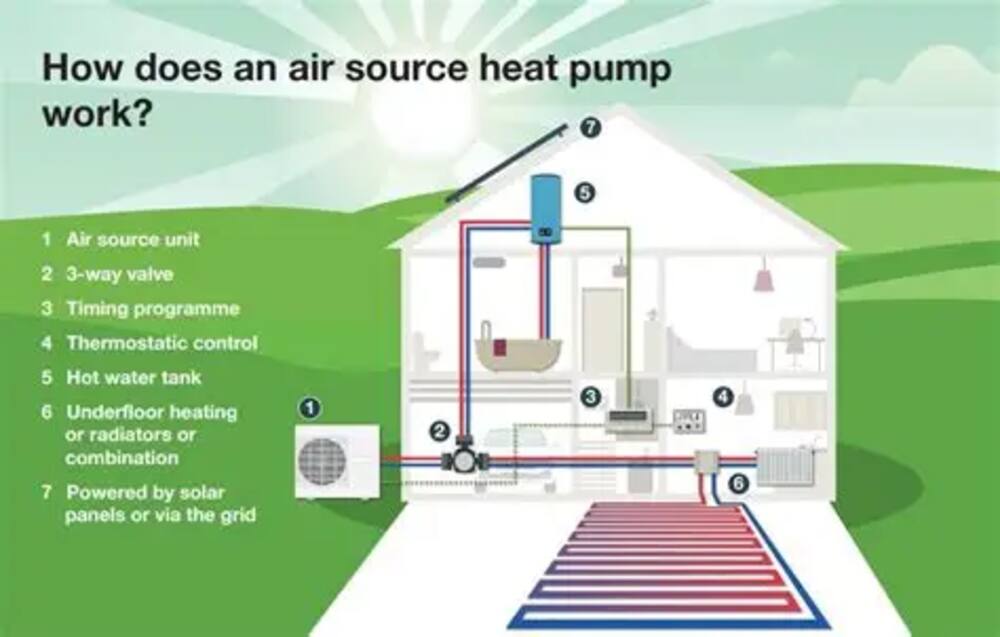
Air-source heat pump technology works by transferring heat rather than generating it. Instead of burning fuel, a heat pump extracts heat from the outside air and moves it indoors during colder months. In warmer months, the process reverses, removing heat from inside the home to provide cooling.
This approach is highly efficient because it uses electricity primarily to move heat, not to create it. For every unit of electricity consumed, a modern air-source heat pump can deliver multiple units of heating or cooling energy. This efficiency is what sets heat pumps apart from traditional boilers, furnaces, and electric heaters.
Why Heat Pumps Are Gaining Global Momentum
Several factors are driving the global adoption of heat pump technology.
First, energy efficiency has become a priority. Governments across Europe, North America, and parts of Asia are tightening building regulations and offering incentives for low-carbon heating solutions. Air-source heat pumps align well with these policies.
Second, the technology itself has improved. Earlier systems struggled in colder climates, but modern units are designed to operate reliably even in sub-zero temperatures. Improved compressors, refrigerants, and control systems have expanded their usability worldwide.
Finally, homeowners are looking for long-term cost stability. While electricity prices can fluctuate, heat pumps reduce overall energy consumption, helping to protect households from volatile fuel markets.
Comfort Without Compromise
One common misconception is that energy-efficient systems require sacrificing comfort. In practice, the opposite is often true.
Air-source heat pump systems provide steady, consistent heating rather than the on-off cycling associated with many traditional systems. This results in more even indoor temperatures and improved comfort throughout the home. When paired with underfloor heating or low-temperature radiators, the effect is especially noticeable.
Cooling performance is another advantage. Instead of installing separate heating and air conditioning systems, homeowners can rely on one integrated solution. This simplifies system design and reduces maintenance over time.
Designed for Modern Homes and Retrofits
A key strength of air-source heat pump technology is its flexibility. These systems can be designed for new-build homes, where insulation and layout can be optimized from the start. At the same time, they are increasingly used in renovation projects, replacing older boilers or supplementing existing systems.
Modern heat pump products are available in a range of capacities and configurations. Compact outdoor units, quiet operation, and modular designs make installation easier, even in space-constrained environments. Smart control options allow users to monitor and adjust performance remotely, improving both comfort and energy management.
Practical Considerations for Homeowners
While the benefits are clear, choosing the right heat pump system requires careful planning.
Home insulation is a critical factor. Well-insulated buildings allow heat pumps to operate at their highest efficiency. In some cases, upgrading insulation or windows before installation can significantly improve results.
System sizing also matters. An accurately sized heat pump ensures reliable comfort without unnecessary energy use. Professional assessment and design are essential to match the system to the home’s heating and cooling demands.
Maintenance requirements are generally low, but regular checks help ensure long-term performance. Quality products are designed for durability, with components engineered to withstand years of operation in varying weather conditions.
The Role of Trusted Heat Pump Products
Not all heat pump systems are created equal. Product quality, engineering standards, and after-sales support play a major role in real-world performance.
Leading heat pump solutions focus on high seasonal efficiency, quiet operation, and user-friendly controls. Advanced inverter technology allows systems to adapt output to actual demand, reducing energy waste. Integrated monitoring features help installers and homeowners optimize performance over time.
By choosing proven heat pump technology from experienced manufacturers, homeowners gain confidence that their investment will deliver comfort, savings, and reliability for years to come.
Looking Ahead: Heat Pumps and the Energy Transition
Air-source heat pump technology is more than a trend. It is a cornerstone of the global transition toward cleaner, more efficient energy use in buildings. As electricity grids incorporate more renewable energy, heat pumps become even more sustainable, further reducing carbon emissions.
For homeowners, developers, and industry professionals, the message is clear. Heat pump technology offers a practical, scalable solution for modern home comfort. With the right product selection and system design, air-source heat pumps are set to define the future of residential heating and cooling worldwide – https://acjakarta.com.