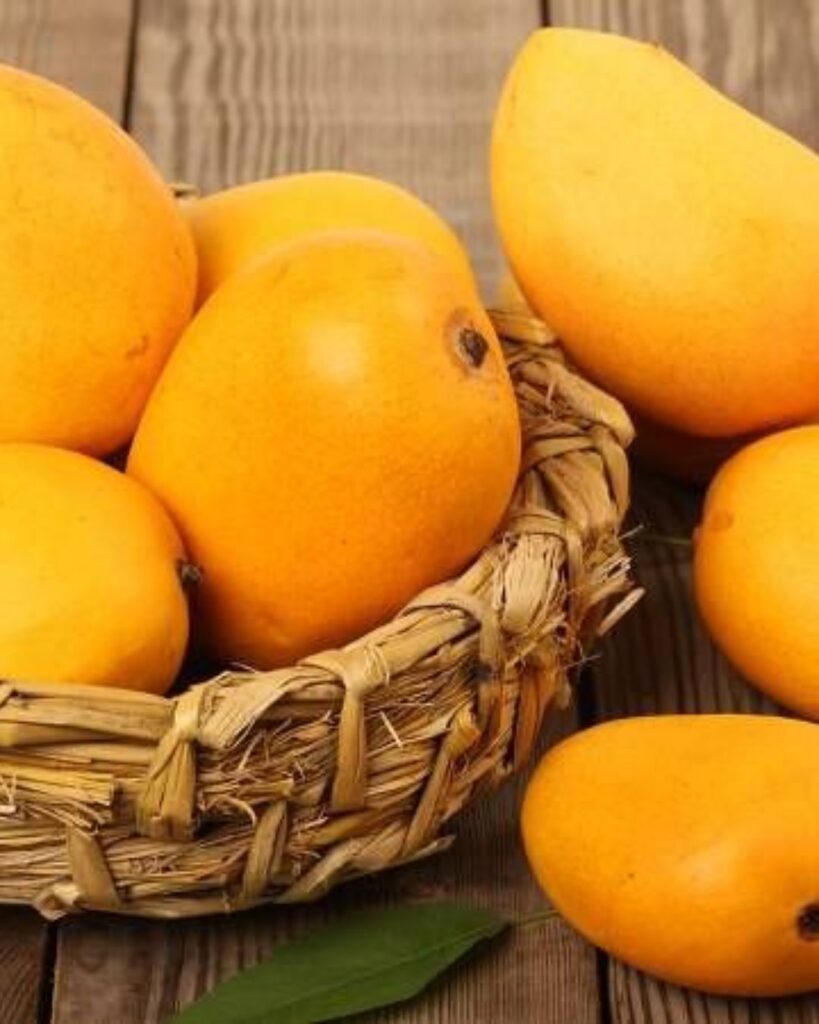

India is globally celebrated as the land of mangoes, often called the “King of Fruits.” With unmatched diversity, flavor, and aroma, mango exports from India play a vital role in the country’s agricultural export economy. From traditional varieties like Alphonso and Kesar to regional favorites such as Banganapalli and Dasheri, Indian mangoes enjoy strong demand across international markets.
Importance of Mango Exports from India
India is the world’s largest producer of mangoes, contributing nearly half of global mango production. The country’s diverse agro-climatic conditions allow mango cultivation across multiple states, ensuring a wide range of varieties and harvest seasons. Mango exports from India not only boost farmers’ income but also strengthen India’s position in the global fresh fruit trade.
Indian mangoes are valued internationally for their natural sweetness, fiber texture, rich pulp, and distinct taste. With rising global demand for exotic and premium fruits, Indian mango exporters are expanding their reach every year.
Popular Mango Varieties Exported from India
India exports several mango varieties, each catering to specific market preferences.
Alphonso Mango
Known as the premium export variety, Alphonso mangoes are famous for their rich flavor, saffron-colored pulp, and smooth texture. They are highly demanded in the UAE, USA, UK, and Europe.
Kesar Mango
Primarily grown in Gujarat, Kesar mangoes are known for their sweetness and bright color. They are widely exported to the Middle East and Asian markets.
Banganapalli Mango
Also called Benishan, this variety is popular for its large size and mild sweetness. It is commonly exported to Southeast Asia and Gulf countries.
Dasheri, Langra & Chausa
These North Indian varieties are exported mainly to niche markets and Indian diaspora communities abroad.
Major Mango Export Destinations
Mango exports from India reach more than 40 countries worldwide. Key importing regions include:
-
United Arab Emirates
-
Saudi Arabia
-
United Kingdom
-
United States
-
Qatar
-
Kuwait
-
Singapore
-
Malaysia
Middle Eastern countries remain the largest buyers due to proximity, cultural preference, and strong demand during the mango season.
Mango Export Season in India
The mango export season in India typically starts in March and continues until July, depending on the variety and region. Early-season mangoes come from South India, while late-season varieties are harvested in North India.
Careful harvesting at the correct maturity stage is critical to ensure fruit quality during long-distance transport.
Quality Standards and Certifications
Maintaining quality is essential for mango exports from India. Exporters follow strict grading, sorting, and quality control measures to meet international standards.
Key requirements include:
-
Compliance with phytosanitary norms
-
Residue-free cultivation
-
Hot Water Treatment (HWT) for certain countries
-
APEDA registration
-
Export-grade packaging
Countries like the USA, Japan, and Australia have very strict import regulations, making certification and treatment processes mandatory.
Packaging and Logistics for Mango Exports
Export-quality mangoes are packed in ventilated cartons designed to protect the fruit during transit. Temperature-controlled storage and cold-chain logistics help maintain freshness, firmness, and shelf life.
Air freight is commonly used for premium mango exports, while sea freight is preferred for bulk shipments with controlled atmosphere containers.
Challenges in Mango Exports from India
Despite strong demand, exporters face challenges such as:
-
Short shelf life
-
Strict import regulations
-
Climate variability affecting yield
-
Logistics and freight costs
However, improved post-harvest infrastructure and government support have helped reduce these challenges over time.
Growth Opportunities in Global Markets
With increasing consumer awareness about natural and exotic fruits, mango exports from India have strong growth potential. Organic mango exports, processed mango products, and value-added forms like pulp and slices are gaining popularity.
Government initiatives, farmer training programs, and improved cold storage facilities are further strengthening India’s mango export ecosystem.
Conclusion
Mango exports from India represent a perfect blend of agricultural heritage, global demand, and export expertise. With premium varieties, strict quality standards, and expanding international markets, India continues to strengthen its position as a leading mango exporter. As infrastructure and compliance systems improve, Indian mangoes are set to reach even more global consumers, carrying the authentic taste of India to the world.