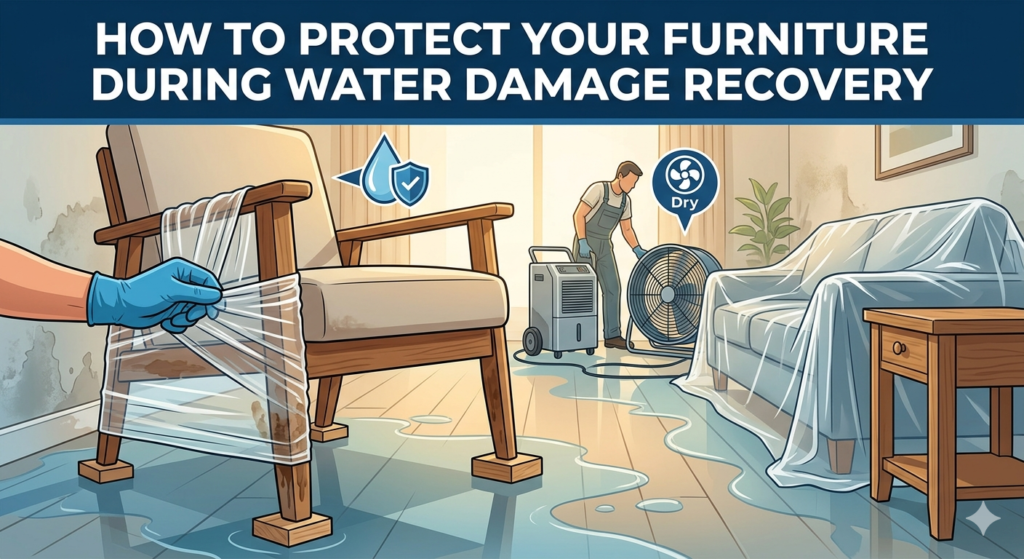

Water damage can strike suddenly, leaving your home vulnerable and your furniture at risk. Whether caused by a burst pipe, storm flooding, or a leaky roof, the immediate concern is stopping further damage while protecting your belongings. Many homeowners in Austin turn to professional help for guidance, like water mitigation restoration Austin TX, to ensure proper steps are taken and furniture is preserved. Acting quickly and carefully can prevent costly replacements and preserve the life of your furniture.
Assess and Move Furniture Carefully
Before touching any soaked furniture, assess the situation. Identify which items are in immediate danger from water and which are slightly affected. Start by moving smaller items to a dry area. For larger pieces, such as couches, tables, or cabinets, you may need extra hands or equipment to lift them safely without causing more damage. Always lift furniture rather than dragging it, as dragging can scratch floors and damage legs or frames.
When moving furniture, protect floors with blankets, towels, or plastic sheeting. This also helps reduce water transfer from one area to another. If possible, elevate items off the floor using blocks, furniture sliders, or pallets. Raising furniture allows air to circulate underneath, speeding drying and reducing the chance of mold growth.
Drying and Cleaning Furniture
Once furniture is moved, start the drying process. Wood, leather, and upholstered items each require different care. Wooden furniture should be dried slowly to avoid warping. Use fans and dehumidifiers to circulate air around the furniture. Avoid placing furniture in direct sunlight, as this can crack finishes or fade colors.
For upholstered pieces, remove cushions and pillows to separate wet areas. Use towels to absorb excess water, then allow air to circulate. Upholstery cleaners or professional extraction equipment can remove moisture deep within fabrics. Leather furniture should be wiped gently and treated with conditioners once dry to maintain flexibility and prevent cracking.
Avoid using heat sources like hair dryers or space heaters directly on wet surfaces. Rapid drying can lead to splits in wood, shrinkage in leather, and stress on glued joints.
Prevent Mold and Mildew
Mold can grow within 24 to 48 hours in damp conditions. Inspect furniture daily for any signs of mold. If spotted early, clean with mild detergent solutions, vinegar-water mixtures, or professional cleaners depending on the material. Hard surfaces can often be wiped, while porous materials may require more intensive care or professional treatment.
In addition to drying furniture, monitor the surrounding environment. Keep windows open if weather allows, use dehumidifiers, and maintain consistent airflow. Avoid stacking wet items or placing them in confined spaces, as trapped moisture accelerates mold growth.
Protecting Finishes and Metal Parts
Wood finishes, metal hardware, and decorative details can be sensitive to water. After drying, inspect surfaces for damage such as warping, staining, or rust. For wood, consider gentle sanding and refinishing if stains remain. Metal parts, including handles, hinges, or brackets, may need cleaning with mild oils or rust removers to restore appearance and function. Prompt attention reduces long-term deterioration and keeps furniture looking intact.
Professional Assistance and Monitoring
Even with careful effort, severe water exposure can hide damage in areas not easily visible. Professionals in water damage recovery can identify moisture trapped inside frames, cushions, or cabinetry. They can also provide treatments that prevent secondary damage, including mold remediation, drying services, and restoration techniques that preserve furniture value.
Final Steps and Preventive Measures
After furniture is dried and cleaned, continue monitoring it over the next few weeks. Small cracks, loose joints, or lingering odors may indicate incomplete drying. Regularly inspect for mold and ensure humidity levels in the home remain moderate to prevent recurrence. For long-term protection, consider furniture covers or storage in elevated areas during future floods or leaks.
If your home has experienced water damage and you want to protect your furniture while restoring your property safely, reach out to emergency water removal Austin TX. The team at Legacy Water Restoration can provide professional guidance, rapid response, and effective restoration techniques to minimize damage and safeguard your belongings.