
When it comes to wisdom tooth removal, most people carry a bag full of half-truths picked up from friends, family, or the internet. Some believe the procedure is unbearably painful, others think skipping it is perfectly fine, and many are convinced that recovery takes weeks. These myths not only create unnecessary anxiety but can also lead to poor decisions that affect both your oral health and your wallet. Understanding what is actually true – and what is not – helps you approach the process with confidence. This article busts the most common misconceptions, walks you through proper aftercare, and explains how your choices during recovery can influence the overall wisdom tooth extraction cost in the long run.
Common Myths About Wisdom Tooth Removal
Myth 1: The Procedure Is Always Extremely Painful
This is perhaps the most widespread myth of all. Modern dentistry has come a long way, and most extractions today are performed under local anaesthesia, meaning you feel pressure but not sharp pain during the procedure.
Painless Wisdom Tooth Extraction is now a realistic expectation rather than a marketing promise, thanks to improved anaesthetic techniques and sedation options available at well-equipped clinics. Post-operative discomfort is manageable with prescribed medication and usually subsides within three to five days.
Myth 2: You Should Only Remove a Wisdom Tooth If It Hurts
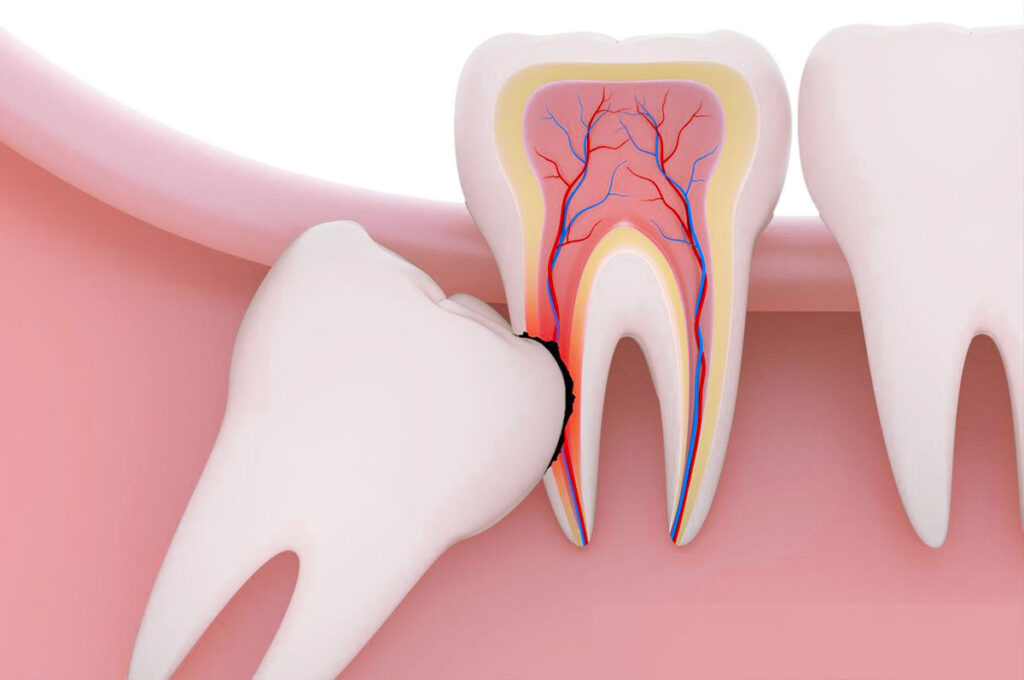
Pain is just one signal, and it often arrives late. Many impacted wisdom teeth cause damage silently – pushing against neighbouring molars, harbouring bacteria in hard-to-clean pockets, or triggering cysts that only show up on an X-ray. By the time discomfort appears, the situation may already be complicated. Waiting for pain before acting often means a more complex extraction later, which directly increases the cost of the procedure.
Myth 3: Wisdom Teeth Always Need to Be Removed
Not quite. If a wisdom tooth erupts fully, sits in proper alignment, and does not crowd other teeth, your dentist may simply monitor it rather than recommend extraction. The decision depends on individual anatomy, bite structure, and the health of surrounding tissue. A thorough clinical evaluation and an OPG X-ray give your dentist the full picture needed to make the right call for you specifically.
Myths Around Cost That Mislead Patients
Myth 4: All Clinics Charge the Same for Extraction
Extraction costs in India vary considerably depending on the type of impaction, the clinic’s infrastructure, the surgeon’s experience, and whether sedation is used. A simple erupted wisdom tooth removal may cost a few hundred rupees at a basic setup, while a deeply impacted surgical case at a specialist clinic can run into several thousands. Getting a quote without an X-ray is essentially a guess – any responsible provider will insist on imaging first.
Myth 5: Cheaper Is Always Better
This mindset can be genuinely costly. Choosing the least expensive option without checking the clinic’s sterilisation standards, surgeon’s qualifications, or post-operative support can result in complications like dry socket, infection, or nerve irritation – each of which adds to your total expenditure and, more importantly, to your discomfort. Value matters more than price alone.
Proper Aftercare Following Wisdom Tooth Extraction
Good aftercare is where patients have the most control over their recovery. The first 24 to 48 hours are critical. Bite firmly on the gauze pad your dentist provides to help the blood clot form, and avoid spitting forcefully or using a straw, as the suction can dislodge the clot and cause dry socket – one of the more painful post-extraction complications.
What to Eat and Avoid
Soft foods are your best friends during recovery. Idli, curd rice, mashed dal, bananas, and soft-boiled vegetables are all good choices. Avoid very hot food and beverages, spicy dishes, hard snacks, and anything that requires vigorous chewing for at least a week. Many patients in India also find that room-temperature coconut water is soothing and helps with hydration without irritating the socket.
Oral Hygiene Without Disturbing the Socket
You can resume gentle brushing the day after extraction but keep the bristles away from the extraction site for the first couple of days. Rinse with warm saline water starting 24 hours post-procedure – this reduces bacterial load and promotes healing. Avoid mouthwashes with alcohol, as they can irritate the tissue. Your dentist may also prescribe a chlorhexidine rinse, which is gentler and more effective during this phase.
Warning Signs to Watch For
Some swelling and mild bleeding in the first 24 hours is normal. However, watch out for severe or worsening pain after the third day, persistent bleeding that does not slow down, fever, difficulty opening your mouth, or an unpleasant taste or smell from the socket. These could indicate dry socket, infection, or another complication. Contact your dental clinic promptly rather than waiting and hoping it resolves on its own. For reliable guidance,
the team at a trusted Dental Hospital in Nagpur can assess your recovery and step in before a minor issue becomes a major one.
Long-Term Maintenance After Healing
Once the socket heals – typically within two to four weeks – most patients return to normal eating and oral hygiene habits. But long-term oral health still requires attention, especially in the months following extraction.
Monitor Neighbouring Teeth
If your wisdom tooth was pushing against the adjacent molar, that tooth may have shifted slightly or experienced enamel wear. Your dentist might recommend a follow-up X-ray six months post-extraction to check alignment and the condition of neighbouring roots. Catching any movement early keeps future orthodontic or restorative costs predictable.
Maintain Regular Dental Check-Ups
Extraction does not end your dental story – it simply removes a problem. Committing to six-monthly check-ups ensures that any new concerns are caught early. This habit also means you are never caught off guard by a procedure cost you did not budget for, because preventive care is almost always far cheaper than corrective treatment.
Choosing the Right Clinic Makes a Difference
From diagnosis through to recovery, the quality of care you receive shapes both your experience and your eventual costs. Clinics with experienced oral surgeons, proper imaging facilities, and strong post-operative support tend to have fewer complications – and fewer complications mean lower total expenditure over time.
If you are looking for Expert Wisdom Tooth Treatment in Nagpur, it pays to look beyond just the quoted price and consider the full spectrum of care on offer.
Conclusion
Wisdom tooth extraction does not have to be the ordeal that myths make it out to be. With accurate information, proper aftercare, and a reliable dental team by your side, recovery is usually smooth and recovery costs stay manageable. The real risk lies in ignoring symptoms, believing outdated advice, or cutting corners on care. Invest in good aftercare, stay consistent with follow-up appointments, and treat your oral health as an ongoing commitment rather than a one-time fix. If you have concerns about a wisdom tooth or simply want a professional evaluation, do not put it off – reaching out to a trusted clinic sooner almost always works out better for your health and your budget.
Frequently Asked Questions
How long does it take to fully recover from wisdom tooth extraction?
Most patients feel significantly better within three to five days. Complete healing of the gum tissue takes around two to four weeks, while the underlying bone fully heals over several months. Following your dentist’s aftercare instructions closely is the single biggest factor in how quickly you recover.
Is it normal to have swelling after wisdom tooth removal?
Yes, mild to moderate swelling around the jaw and cheek is completely normal within the first 48 to 72 hours. Applying an ice pack to the outside of your cheek in 20-minute intervals during the first day helps reduce it. If swelling increases after the third day rather than subsiding, consult your dentist as this may indicate infection.
Can I go to work the day after a wisdom tooth extraction?
For a simple extraction, many people feel well enough to return to desk work the next day. For surgical extractions involving impacted teeth, taking two to three days of rest is generally advisable. Physical labour or strenuous exercise should be avoided for at least a week, as it can dislodge the blood clot and prolong healing.
Does wisdom tooth removal affect the alignment of other teeth?
In some cases, if a wisdom tooth was exerting pressure on neighbouring molars, those teeth may shift slightly after removal. Your dentist will monitor this through follow-up appointments. However, removing an impacted wisdom tooth often prevents further misalignment rather than causing it.
Why does wisdom tooth extraction cost vary so much between clinics?
The cost depends on several factors including the complexity of the impaction, the type of anaesthesia used, the surgeon’s experience, imaging costs, and the clinic’s facilities. A simple case at a basic clinic will naturally cost less than a surgical extraction performed under sedation at a specialised dental centre. Always ensure the quote includes all components – consultation, X-ray, procedure, and follow-up visits.
Source: sites.google