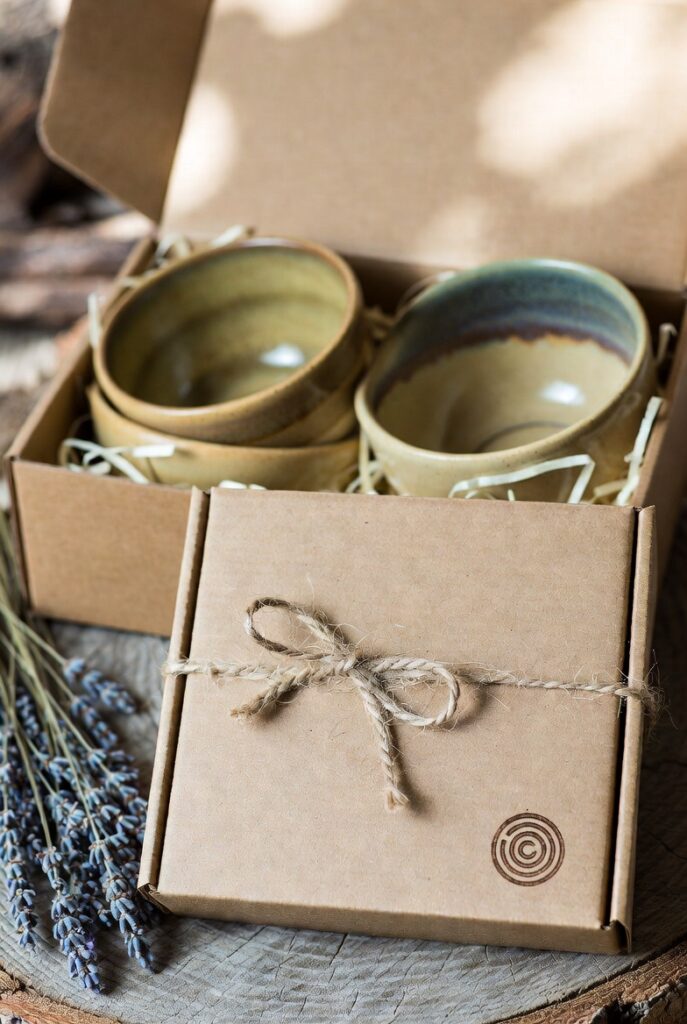

Ceramics can be misleading. They feel solid when picked up, almost sturdy enough not to worry about. But once they’re packed and handed over for delivery, things change quickly. A small shift inside the box, a bit of pressure from stacking, or even a rough turn during transit can be enough to leave a mark.
Most damage doesn’t come from one dramatic moment. It builds up quietly—movement, contact, pressure. That’s usually where things go wrong.
Why Do Ceramics Break So Easily During Delivery?
It comes down to how the material behaves. Ceramics don’t bend or absorb shock. They stay rigid, which means even a light knock can cause a chip.
In homeware packing environments, this shows up all the time. Items that are left in perfect condition arrive with worn edges or hairline cracks. Not because they were dropped, but because they were moving slightly inside the box the whole time.
That’s the part that’s easy to miss—movement is often the real problem.
What Makes Ceramic Items Different from Other Goods?
Not everything reacts the same way during shipping. Clothing compresses. Some items can handle a bit of pressure. Ceramics don’t.
A plate might look simple, but its edges are vulnerable. A mug has a handle that sticks out just enough to catch impact. Decorative pieces are often uneven, which makes them harder to stabilise.
This is why a standard packing approach doesn’t always hold up. Ceramics need a bit more attention, especially around their weaker points.
What Materials Actually Help Protect Them?
Thick Cushioning That Absorbs Pressure
One thing that consistently works well is large bubble wrap. The air pockets are bigger, so they handle impact better than thinner layers.
In practice, it’s not about wrapping once and being done with it. Edges usually need a bit more attention, sometimes an extra layer. It doesn’t take much, but it makes a difference when pressure builds up during transit.
A Box That Holds Its Shape
No matter how carefully something is wrapped, the outer box still does most of the work. If it bends or softens under weight, everything inside is at risk.
This is where good packaging materials matter. A strong box keeps its structure, even when stacked with other parcels. In busy warehouses, that strength is often the difference between safe delivery and damage.
Choosing The Right Size Box
It’s tempting to just grab whatever is available, especially when searching for cardboard boxes near me. But size matters more than expected.
Too much space inside the box allows movement. Too little space creates pressure. The aim is somewhere in between—a snug fit with just enough room for cushioning.
Consistency In Bulk Packing
In setups where items are packed regularly, consistency becomes important. Using carton boxes wholesale helps keep sizes and strength uniform.
It sounds simple, but it reduces guesswork. When the same box is used repeatedly, packing becomes quicker and more reliable.
How Should Ceramics Be Wrapped?
There’s no need to overcomplicate it, but it shouldn’t be rushed either.
A few things that tend to work well:
- Wrap each item on its own
- Pay extra attention to edges and handles
- Keep the layers neat rather than bulky
Wrapping too loosely doesn’t help, but overdoing it can create its own problems. It’s more about control than thickness.
How Should Items Be Placed Inside the Box?
This is where many small mistakes happen. Items shouldn’t sit directly against the sides. There needs to be some space around them, even if it’s just a thin layer of cushioning. Heavier pieces usually go at the bottom, lighter ones above.
A quick check helps—lift the box slightly. If something shifts, it’s not ready yet.
What Mistakes Usually Lead to Damage?
Most of the time, it’s not one big error. It’s a few small ones combined:
- Packing multiple items together without separating them
- Leaving empty gaps inside
- Using a box that’s already weakened
- Sealing it in a hurry
None of these seems serious on its own, but together they make damage more likely.
Does Sealing Really Matter That Much?
It does, more than it seems.
If the box isn’t sealed properly, it starts to lose its shape. Once that happens, the support inside weakens as well. Strong tape, applied properly along the seams, keeps everything in place.
In shipping environments, this step is usually treated as essential rather than optional.
What Should Be Checked Before Sending It Out?
Before the box leaves, a quick look can catch most issues:
- Does anything move inside?
- Are all edges sealed properly?
- Does the box feel balanced when lifted?
It only takes a moment, but it often prevents problems later.
Conclusion
Packing ceramics isn’t about doing something complicated—it’s about doing a few simple things properly. Using the right packaging materials, adding protection with large bubble wrap, and choosing well-fitting options like cardboard boxes near me or carton boxes wholesale help keep everything more controlled. When movement is reduced, and the box holds firm, ceramics usually arrive just as they were packed.