
Homes today are lived in, not tiptoed around. Hallways see constant foot traffic, kitchens stay busy from morning till night, and living rooms often double as work, play, and relaxation spaces. In such conditions, choosing the right flooring matters more than ever.
This is exactly why many homeowners now lean towards WPC flooring and engineered flooring when upgrading high-traffic areas. These options are chosen less for trend and more for how they perform once real life begins. They manage wear, movement, and time far better than many traditional alternatives, while still looking right at home in modern interiors.
What Is WPC Flooring?
WPC (Wood Plastic Composite) flooring is made using a blend of wood fibres and synthetic materials, pressed together to form a rigid, stable core. This construction gives it a practical edge in areas where floors are constantly in use. Unlike natural wood, it does not react sharply to changes in moisture or temperature, allowing the surface to remain steady even under less-than-ideal conditions.
In everyday terms, WPC flooring suits spaces where spills, damp shoes, or frequent cleaning are unavoidable. Its surface remains steady, even under less-than-ideal conditions. That reliability makes it a popular choice for kitchens, hallways, and open-plan living areas where durability matters more than delicate finishes.
Why WPC Flooring Performs Well in High-Traffic Rooms?
Built to Cope with Daily Pressure
High-use rooms put floors under constant strain. WPC flooring holds its shape well, even when furniture is moved or the same pathways are walked day after day. The rigid core helps prevent dents and surface fatigue.
Less Worry Around Moisture
Water splashes, humidity, and cleaning routines are part of daily life. WPC flooring is far less reactive to moisture than wood-based materials, which reduces the risk of swelling or distortion over time.
Comfortable for Everyday Use
Despite being tough, WPC flooring does not feel harsh underfoot. It offers a slightly cushioned feel that makes standing or walking for long periods more comfortable, especially in family homes.
What Is Engineered Wood Flooring?
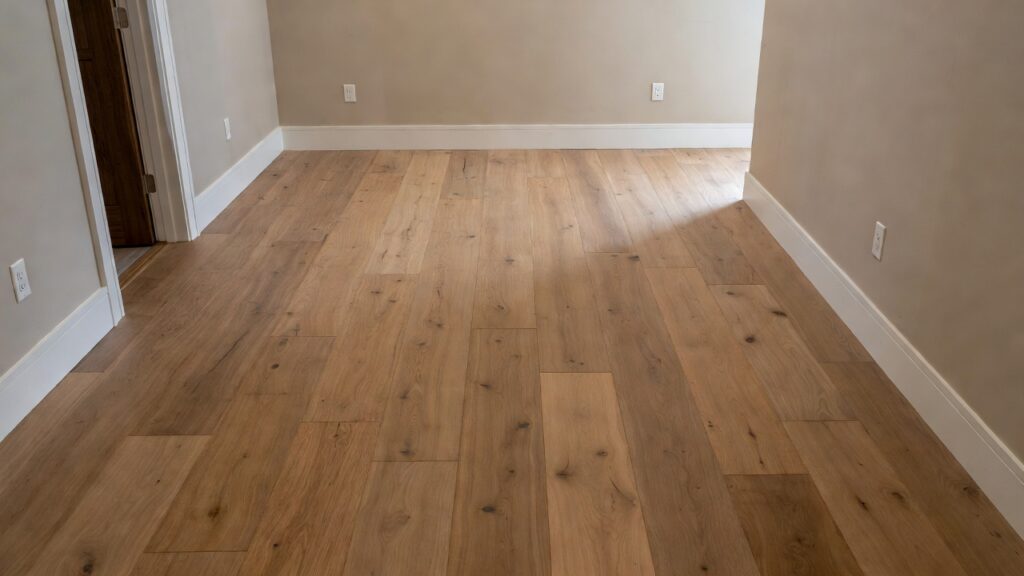
Engineered wood flooring looks like traditional timber because it uses a real wood surface, but it behaves very differently beneath the surface due to its layered construction. Multiple layers sit below the top veneer, providing strength and balance. This layered design reduces the movement that solid wood is known for.
Many homeowners prefer engineered flooring because it offers authenticity without the usual concerns around warping or shrinking. Designs such as herringbone engineered wood flooring bring character to busy rooms while remaining structurally dependable, even under frequent foot traffic.
Why Engineered Wood Performs Well in High-Traffic Rooms?
Designed for Stability
The layered build of engineered flooring allows it to remain steady even when temperatures change throughout the year. This stability is essential in rooms that stay active from morning to night.
A Surface That Ages Well
The real wood layer adds warmth and depth that improves with time. Floors like herringbone engineered wood flooring often develop character rather than looking worn, which suits homes where rooms are constantly in use.
Practical Long-Term Value
Depending on the thickness of the top layer, engineered flooring can sometimes be refreshed rather than replaced. This makes it a sensible option for homeowners thinking beyond short-term appearance.
How These Floors Fit Modern Lifestyles
Made For Real Living
Both WPC flooring and engineered flooring are chosen by people who want their homes to function without fuss. They handle noise, movement, and wear without demanding special treatment.
Simple to Maintain
Regular cleaning is enough to keep these floors looking presentable. This ease of upkeep appeals to busy households that do not want flooring to become another chore.
Flexible in Style
Engineered flooring works comfortably in classic and contemporary spaces alike, while WPC flooring complements cleaner, more modern layouts. Both adapt easily to changing interiors.
Where these Floors Work Best
High-traffic zones benefit most from these materials. WPC flooring performs exceptionally well in areas exposed to moisture and constant movement. Engineered flooring is well-suited to living rooms, dining spaces, and hallways where warmth and appearance are equally important.
In family homes, these areas often connect multiple rooms, meaning the flooring must look consistent while coping with different levels of use. Choosing materials that balance strength with visual continuity helps create spaces that feel calm rather than chaotic, even when the home is at its busiest.
Final Thoughts
Flooring choices matter most where life happens the fastest. High-traffic areas need surfaces that stay dependable without constant maintenance. Engineered flooring, including styles like herringbone engineered wood flooring, offers long-lasting appeal with structural confidence. WPC flooring provides resilience where durability is essential.
Together, these options support busy homes by balancing strength, comfort, and design. They are not chosen for immediate impact, but for how well they continue to perform over time.