
Dubai is known for its year-round sunshine, warm climate, and outdoor lifestyle. At first glance, it seems impossible that people living in such a sunny city could suffer from low vitamin D levels. Surprisingly, however, vitamin D deficiency is one of the most common health concerns among residents in Dubai. Many adults, teenagers, and even children are diagnosed with low vitamin D despite being surrounded by sunlight almost every day.
The condition is more common than most people realize because sunshine alone does not always guarantee that the body is producing enough vitamin D. Lifestyle habits, clothing, indoor routines, diet, and even skin tone can all affect how much vitamin D the body makes.
Understanding why Vitamin D Deficiency Dubai is so widespread can help people take the right steps to protect their health and avoid long-term complications.
What Is Vitamin D and Why Is It Important?
Vitamin D is an essential nutrient that helps the body absorb calcium and maintain healthy bones, muscles, and teeth. It also supports the immune system, mood, hormone balance, and overall energy levels.
When vitamin D levels are too low, the body may struggle to function properly. Some people experience symptoms immediately, while others may not notice any signs for months.
Low vitamin D levels can contribute to:
- Fatigue and low energy
- Muscle weakness
- Bone pain or back pain
- Frequent illness
- Low mood or depression
- Hair thinning
- Difficulty concentrating
- Weak immune function
In more severe cases, long-term deficiency may increase the risk of osteoporosis, chronic pain, weakened immunity, and other health concerns.
Why Sunshine Alone Is Not Enough
The human body naturally produces vitamin D when the skin is exposed to sunlight, especially ultraviolet B (UVB) rays. Since Dubai receives abundant sunshine, many people assume that vitamin D deficiency should not exist.
However, the reality is very different. Most people living in Dubai spend very little time in direct sunlight. Even when they go outside, they may not receive enough UVB exposure for the body to make adequate vitamin D.
This is one of the main reasons why Vitamin D Deficiency Dubai continues to affect such a large number of residents.
Spending Too Much Time Indoors
One of the biggest reasons for vitamin D deficiency in Dubai is the indoor lifestyle. Because of the intense heat, especially during the summer months, many people avoid going outside during the day.
Instead, they spend most of their time:
- At home
- In offices
- In shopping malls
- Inside cars
- In air-conditioned environments
Even people who travel between locations during the day are often inside buildings or vehicles. Since UVB rays do not pass effectively through glass, sitting near a sunny window or driving in a car does not help the body make vitamin D.
As a result, people may live in a sunny environment but still have limited actual sun exposure.
The Heat Makes Outdoor Activity Difficult
Dubai’s climate can be extremely hot for much of the year. During summer, temperatures often rise above 40°C, making it uncomfortable and even unsafe to stay outside for long periods.
Most people choose to go outdoors early in the morning or after sunset. Unfortunately, these times are not ideal for vitamin D production because the sun’s UVB rays are weaker.
For the body to make vitamin D, sunlight exposure usually needs to happen during the late morning or early afternoon. However, this is exactly the time when people in Dubai try to stay indoors because of the extreme heat.
This creates a unique situation where there is plenty of sunshine available, but very little effective exposure.
Clothing Can Reduce Sun Exposure
Another major reason behind Vitamin D Deficiency Dubai is clothing. Many people in Dubai wear clothing that covers most of the body for cultural, religious, or personal reasons.
Long sleeves, long dresses, abayas, scarves, and other covering garments can protect the skin from direct sunlight. While this is important for comfort and cultural preferences, it also reduces the amount of skin exposed to UVB rays.
The body needs a reasonable amount of uncovered skin, such as the arms, legs, or face, in order to produce enough vitamin D. When only a small portion of the skin is exposed, vitamin D production becomes limited.
Sunscreen Blocks Vitamin D Production
People living in Dubai are often encouraged to use sunscreen because of the strong sun and the risk of sun damage. Sunscreen is important for protecting the skin from sunburn, premature aging, and skin cancer.
However, sunscreen with a high SPF can also reduce the skin’s ability to produce vitamin D. When sunscreen blocks UVB rays, the body cannot make enough vitamin D from sunlight.
This does not mean people should stop using sunscreen. Instead, it means there needs to be a balance between safe sun exposure and skin protection.
Short periods of sun exposure before applying sunscreen may help improve vitamin D levels while still protecting the skin afterward.
Darker Skin Needs More Sunlight
Many residents in Dubai have medium to dark skin tones. Melanin, which gives skin its color, naturally protects the skin from UV rays. However, it also slows down the body’s ability to make vitamin D.
People with darker skin usually need more time in the sun to produce the same amount of vitamin D as someone with lighter skin.
For example, a person with fair skin may need only 10 to 15 minutes of sunlight, while a person with darker skin may need 30 minutes or more.
Because many people in Dubai already spend limited time outdoors, darker skin can make vitamin D deficiency even more common.
Poor Diet and Lack of Vitamin D-Rich Foods
Sunlight is the main source of vitamin D, but food also plays an important role. Unfortunately, many people do not eat enough foods that naturally contain vitamin D.
Common vitamin D-rich foods include:
- Fatty fish such as salmon and tuna
- Egg yolks
- Fortified milk
- Yogurt
- Cheese
- Mushrooms
- Fortified cereals
Many modern diets are low in these foods. Fast food, processed meals, and sugary snacks are more common, especially among teenagers and busy professionals.
When the body does not receive enough vitamin D from sunlight or food, deficiency becomes more likely.
This is why some healthcare professionals in Functional Medicine Dubai focus on nutrition and lifestyle changes instead of relying only on supplements.
Certain Health Conditions Can Increase the Risk
Some people are more likely to develop vitamin D deficiency because of underlying medical conditions. These may include:
- Digestive disorders such as celiac disease or Crohn’s disease
- Obesity
- Liver disease
- Kidney problems
- Hormonal imbalances
- Thyroid disorders
These conditions can affect the body’s ability to absorb or use vitamin D properly.
Women are also more likely to experience low vitamin D during pregnancy, after childbirth, or during hormonal changes.
A qualified Functional Medicine doctor Dubai may look beyond the symptoms and identify whether another health condition is contributing to the deficiency.
Common Symptoms of Vitamin D Deficiency
Vitamin D deficiency can be difficult to recognize because the symptoms often develop slowly. Many people think they are simply tired, stressed, or not sleeping well.
Some of the most common symptoms include:
- Constant tiredness
- Low mood
- Body aches
- Muscle cramps
- Weak bones
- Difficulty waking up in the morning
- Frequent colds or infections
- Brain fog
- Joint pain
Children may experience delayed growth, weaker bones, or poor concentration.
If these symptoms continue for weeks or months, it may be worth checking vitamin D levels through a blood test.
How Vitamin D Deficiency Is Diagnosed
The only way to know for sure whether someone has low vitamin D is through a blood test. Doctors usually measure a form of vitamin D called 25-hydroxy vitamin D.
Based on the results, the deficiency may be mild, moderate, or severe.
A healthcare provider can then recommend the right treatment plan, which may include:
- More sun exposure
- Dietary changes
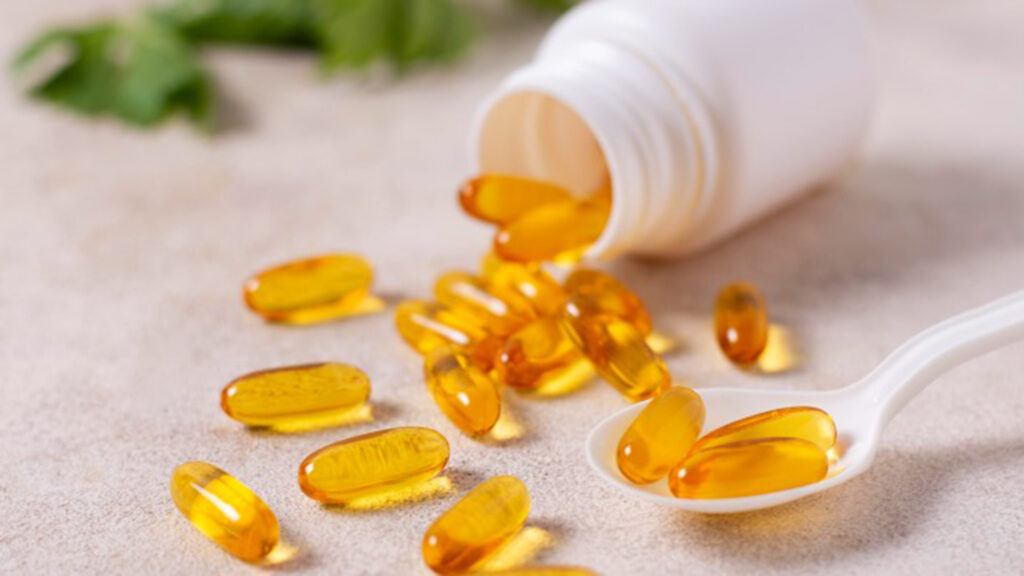
- Vitamin D supplements
- Additional testing if another condition is suspected
Many people in Dubai do not realize they have low vitamin D until they visit a doctor because of fatigue, weakness, or unexplained pain.
How Functional Medicine Can Help
Traditional treatment often focuses on prescribing vitamin D supplements. While supplements can be helpful, they may not solve the real reason behind the deficiency.
This is where Functional Medicine Dubai can provide a more complete approach.
Functional medicine looks at the root cause of the problem instead of only treating the symptoms. A practitioner may examine:
- Lifestyle habits
- Diet
- Stress levels
- Sleep patterns
- Hormone balance
- Gut health
- Existing medical conditions
A personalized plan may include nutrition guidance, safe sun exposure, exercise, supplements, and strategies to improve overall health.
A trusted Functional Medicine doctor Dubai can help patients understand why their vitamin D levels are low and what steps they can take to improve them naturally.
Tips to Prevent Vitamin D Deficiency in Dubai
Although vitamin D deficiency is common, there are several ways to reduce the risk.
Get Safe Sun Exposure
Spend 10 to 30 minutes in direct sunlight several times a week. The best time is usually late morning or early afternoon when UVB rays are strongest.
Expose the arms, legs, or face when possible, while avoiding sunburn.
Eat More Vitamin D-Rich Foods
Include foods such as salmon, eggs, fortified milk, yogurt, and mushrooms in your regular diet.
Stay Active Outdoors
Try walking, exercising, or spending time outside during cooler months. Outdoor activities can improve both vitamin D levels and overall health.
Consider Supplements
If blood tests show a deficiency, supplements may be recommended. Always speak to a healthcare professional before taking high doses.
Schedule Regular Checkups
Routine health checkups can help detect low vitamin D before it causes serious problems.
Conclusion
Even though Dubai is one of the sunniest places in the world, vitamin D deficiency remains extremely common. Long hours indoors, hot weather, clothing, sunscreen, poor diet, and underlying health issues all contribute to the problem.