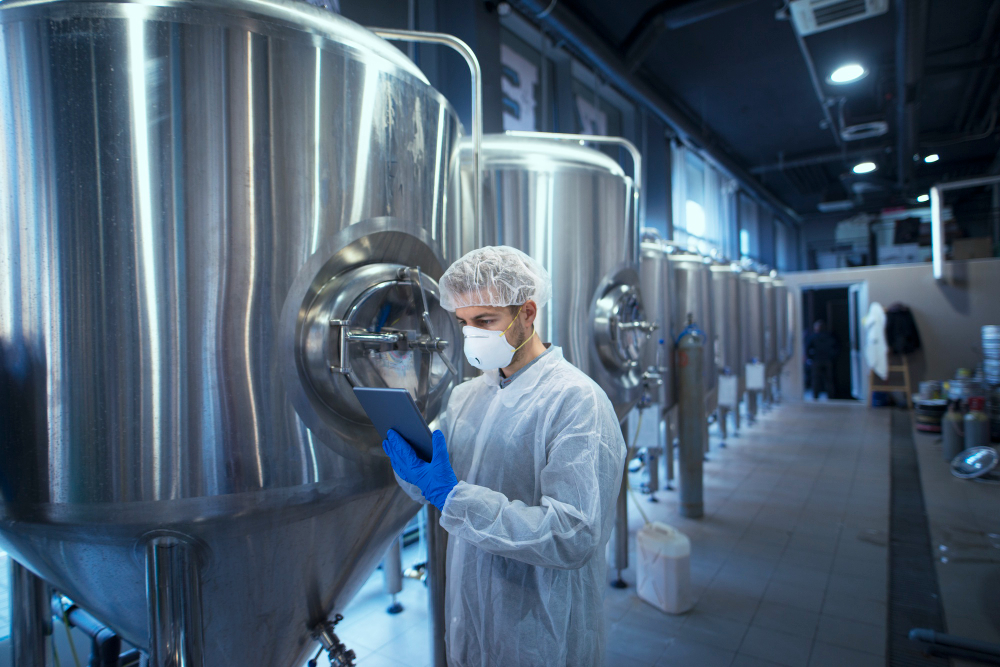

The dairy industry operates in one of the most complex and sensitive manufacturing ecosystems. From milk procurement and quality testing to production, cold-chain logistics, compliance, and distribution, dairy businesses manage multiple interconnected processes every day. Rising operational costs, strict food safety regulations, fluctuating demand, and sustainability pressures make manual systems and disconnected software increasingly unviable.
To achieve long-term, sustainable growth, dairy enterprises must embrace ERP (Enterprise Resource Planning) software. A modern ERP system acts as a single digital backbone that integrates people, processes, and data across the dairy value chain—enabling efficiency, transparency, and scalability.
Challenges Facing the Dairy Industry Today
Before understanding why ERP is essential, it’s important to recognize the key challenges dairy businesses face:
- Fragmented operations across procurement, production, and sales
- Manual data entry leading to errors and delays
- Difficulty in tracking milk quality, yields, and wastage
- Regulatory compliance and traceability requirements
- Rising energy, logistics, and raw material costs
- Demand for sustainable and eco-friendly operations
Without a centralized system, these challenges limit growth, increase costs, and reduce profitability.
What Is ERP Software for the Dairy Industry?
ERP software for the dairy industry is an integrated platform designed to manage and automate core business processes such as:
- Milk collection and procurement
- Quality testing and grading
- Production and batch processing
- Inventory and cold storage management
- Sales, distribution, and invoicing
- Financial accounting and reporting
- Compliance and traceability
Solutions like Odoo ERP for dairy industry are modular, scalable, and customizable to support both small dairy cooperatives and large milk processing plants.
How ERP Enables Sustainable Growth in the Dairy Industry
1. End-to-End Process Integration
ERP connects every stage of the dairy value chain—from farmer procurement to final product delivery—within a single system. This eliminates data silos and ensures real-time visibility across departments.
Impact on sustainability:
- Reduced duplication of work
- Faster decision-making
- Improved coordination between teams
2. Improved Milk Procurement & Farmer Management
ERP systems streamline milk procurement by recording quantity, fat/SNF levels, pricing, and payments digitally. Automated farmer/vendor management builds trust and transparency in the supply chain.
Key benefits:
- Accurate milk quality assessment
- Faster farmer payments
- Better supplier relationships
This leads to a more sustainable and reliable raw milk supply.
3. Enhanced Quality Control & Traceability
Quality and food safety are non-negotiable in the dairy industry. ERP enables batch-wise tracking of raw milk, ingredients, and finished products—ensuring complete traceability.
ERP supports:
- Batch and lot tracking
- Quality checks at every stage
- Compliance with FSSAI, ISO, HACCP, and global standards
In case of recalls, ERP allows faster identification and isolation of affected batches, minimizing financial and reputational risk.
4. Reduction in Wastage & Better Yield Management
Milk and dairy products are highly perishable. ERP helps monitor spoilage, leakage, overproduction, and inventory aging in real time.
Sustainability gains include:
- Reduced raw material wastage
- Optimized production planning
- Improved yield per batch
Lower wastage directly translates into cost savings and reduced environmental impact.
5. Efficient Inventory & Cold Chain Management
ERP systems provide real-time inventory visibility across warehouses and cold storage facilities. Automated stock alerts help prevent overstocking or stockouts.
ERP-driven inventory control ensures:
- Optimal storage conditions
- Better shelf-life management
- Reduced energy consumption
This plays a crucial role in sustainable dairy operations.
6. Cost Control & Financial Transparency
One of the biggest barriers to sustainable growth is uncontrolled operational spending. ERP integrates accounting, procurement, and production costs into a unified financial system.
With ERP, dairy businesses gain:
- Real-time cost tracking
- Accurate profit margin analysis
- Better budgeting and forecasting
This financial clarity enables long-term strategic planning and investment.
7. Data-Driven Decision Making
Modern ERP platforms provide dashboards and analytics that help management monitor KPIs such as:
- Milk procurement cost per liter
- Production efficiency
- Energy consumption
- Sales performance
By using data instead of assumptions, dairy businesses can make informed decisions that support sustainable growth.
8. Scalability for Business Expansion
As dairy businesses expand into new product lines, regions, or export markets, ERP systems scale seamlessly. Modular ERP platforms like Odoo allow companies to add features as they grow.
ERP supports expansion by:
- Standardizing processes
- Supporting multi-location operations
- Enabling multi-currency and multi-company management
This flexibility is critical for long-term growth.
9. Supporting Environmental Sustainability Goals
ERP contributes directly to environmental sustainability by:
- Reducing paper-based processes
- Optimizing resource utilization
- Minimizing wastage and energy use
- Supporting compliance with ESG initiatives
Digital transformation through ERP aligns dairy businesses with global sustainability standards.
Why Odoo ERP Is a Preferred Choice for the Dairy Industry
Odoo ERP is widely adopted in the dairy sector due to its flexibility and cost-effectiveness. Key advantages include:
- Modular architecture tailored to dairy operations
- Integration with production, inventory, quality, and finance
- Real-time reporting and dashboards
- Cloud and on-premise deployment options
- Easy customization for dairy-specific workflows
Odoo enables dairy businesses to modernize operations without excessive IT complexity.
Conclusion
The dairy industry is at a critical turning point where operational efficiency, compliance, and sustainability are no longer optional—they are essential for survival and growth. ERP software provides the digital foundation required to manage complexity, reduce costs, improve quality, and scale responsibly.
By implementing a modern ERP system, dairy businesses can achieve sustainable growth, enhance profitability, and remain competitive in an evolving global market.
Investing in ERP today is not just about technology; it’s about building a future-ready dairy enterprise.