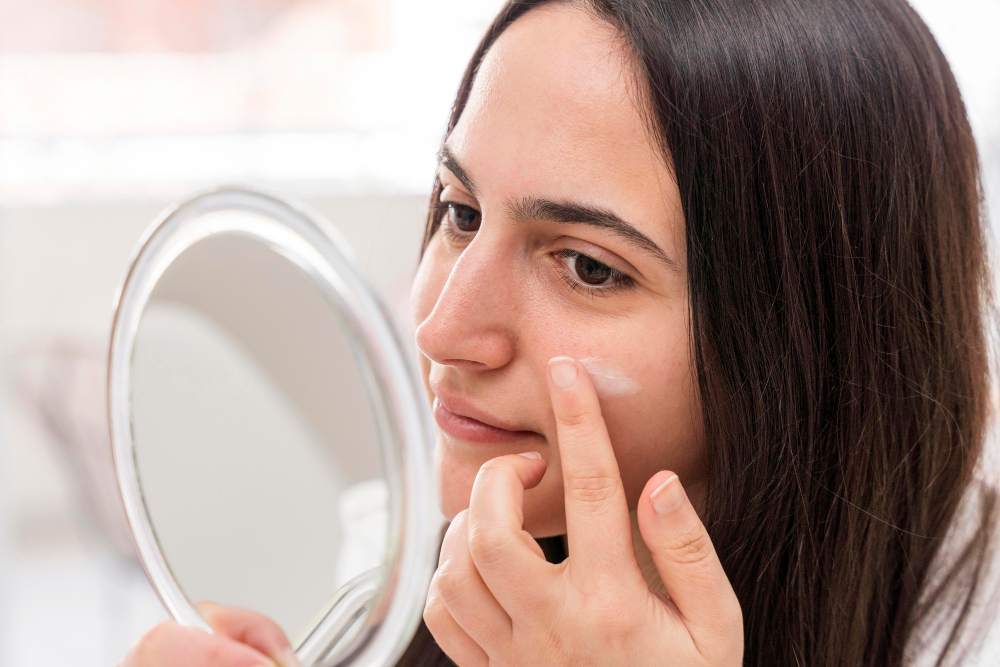

Skincare trends change every year. One year focuses on glass skin. Another highlights active ingredients like retinol or vitamin C. But recently, one concept has taken center stage across dermatology clinics, beauty blogs, and social media conversations — skin barrier health.
Skin barrier care is not just another trend. It reflects a deeper shift toward science-backed, long-term skin wellness. Consumers now understand that healthy skin starts with a strong barrier. Without it, even the most powerful serums and creams cannot deliver consistent results.
Let’s explore why skin barrier health has become the biggest skincare focus right now.
What Is the Skin Barrier?
Your skin barrier is the outermost layer of your skin. Experts call it the stratum corneum. This layer acts like a shield. It protects your skin from environmental damage, pollution, bacteria, and moisture loss.
You can imagine the skin barrier as a brick wall. Skin cells act as bricks. Lipids such as ceramides, cholesterol, and fatty acids act as the mortar that holds everything together. When this structure stays strong, your skin looks smooth, hydrated, and resilient.
When the barrier weakens, problems begin.
Why Is Skin Barrier Damage So Common Today?
Modern lifestyles place constant stress on the skin. Many people unknowingly damage their barrier through overuse of strong actives, harsh cleansers, and excessive exfoliation.
Here are common causes of barrier damage:
- Over-exfoliating with acids or scrubs
- Mixing too many active ingredients
- Using high-strength retinoids without support products
- Skipping moisturizer
- Environmental pollution
- UV exposure
- Stress and poor sleep
The rise of social media skincare routines has also contributed to the issue. Many users layer multiple potent products without understanding proper skincare routine order. This practice often leads to irritation, redness, and dehydration.
As a result, more people now search for solutions to repair and strengthen their skin barrier.
Signs Your Skin Barrier Is Damaged
You do not need a dermatologist to notice early warning signs. Your skin usually communicates clearly.
Common symptoms include:
-
Tightness after cleansing
-
Increased sensitivity
-
Redness or inflammation
-
Flaky or rough texture
-
Burning sensation after applying products
-
Breakouts caused by irritation
If your skin reacts to products that once worked well, your barrier may need attention.
Why Barrier Health Became a Major Skincare Focus
1. Shift Toward Long-Term Skin Health
Consumers now prioritize sustainable skincare results. Instead of chasing quick fixes, they focus on maintaining balanced, healthy skin. A strong barrier supports long-term clarity, hydration, and resilience.
2. Increased Awareness of Active Ingredient Risks
Retinol, AHAs, BHAs, and vitamin C remain popular. However, users now understand that overusing these ingredients can compromise the barrier. People now seek ways to combine treatment products with protective creams to avoid damage.
3. Growth of Dermocosmetic Skincare
Science-backed skincare has gained credibility. Dermocosmetic brands emphasize barrier-supporting ingredients such as ceramides, niacinamide, panthenol, and peptides. These formulations balance treatment and protection.
4. Rise of Minimalist Routines
The “skinimalism” movement encourages fewer but more effective products. Many dermatologists now recommend simplified routines that focus on cleansing, targeted treatment, moisturizing, and sun protection. Barrier repair fits perfectly within this approach.
How to Strengthen Your Skin Barrier
If you want to improve barrier health, you should follow a consistent and strategic routine.
1. Use a Gentle Cleanser
Choose a non-stripping cleanser that removes dirt without disrupting natural lipids. Avoid harsh sulfates and strong fragrances.
2. Apply a Targeted Serum Carefully
Use treatment serums in moderation. If you use actives like retinol or exfoliating acids, introduce them gradually. Always monitor how your skin responds.
3. Lock in Moisture With a Cream
A well-formulated cream supports barrier repair. Look for ingredients such as:
-
Ceramides
-
Cholesterol
-
Fatty acids
-
Hyaluronic acid
-
Niacinamide
A cream does more than hydrate. It reinforces the protective layer and prevents water loss.
4. Never Skip SPF
Sun exposure weakens the skin barrier. Daily sunscreen protects against UV damage and reduces inflammation.
5. Avoid Over-Exfoliation
Limit chemical exfoliation to two or three times per week unless directed otherwise by a professional. Overuse often leads to micro-damage.
Barrier Health and Modern Skincare Routines
Understanding barrier health also helps clarify product roles. Many people debate serum vs cream without realizing both serve different functions.
A serum delivers active ingredients that target concerns like acne or pigmentation. A cream supports barrier strength and locks in hydration. When you combine them correctly, you protect your skin while still addressing specific issues.
Barrier health reminds us that treatment and protection must work together. You should never prioritize correction at the expense of skin stability.
Why This Trend Is Here to Stay
Skin barrier care represents a fundamental change in how people view skincare. Instead of focusing only on surface appearance, consumers now value biological skin function.
This shift aligns with:
-
Increased dermatological research
-
Demand for ingredient transparency
-
Growth of science-backed skincare brands
-
Greater awareness of skin sensitivity
Barrier health is not a passing trend. It supports every other skincare goal. Hydration improves. Anti-aging products perform better. Acne treatments cause less irritation. Pigmentation solutions work more effectively.
Healthy skin always begins with a strong foundation.
Final Thoughts
Skin barrier health has become the biggest skincare trend because it addresses the root cause of many skin concerns. A damaged barrier leads to dryness, irritation, breakouts, and premature aging. A strong barrier creates balance, resilience, and long-lasting glow.
If you want visible results from your skincare products, start by protecting and strengthening your barrier. Choose gentle cleansers, apply targeted serums responsibly, use nourishing creams, and protect your skin daily with sunscreen.
When you build your routine around barrier health, you invest in sustainable skin wellness rather than short-term fixes.
Read Also:
Why Your Night Skincare Routine Matters More Than Your Morning Routine
Ingredients to Avoid in Cleansers If You Have Sensitive Skin