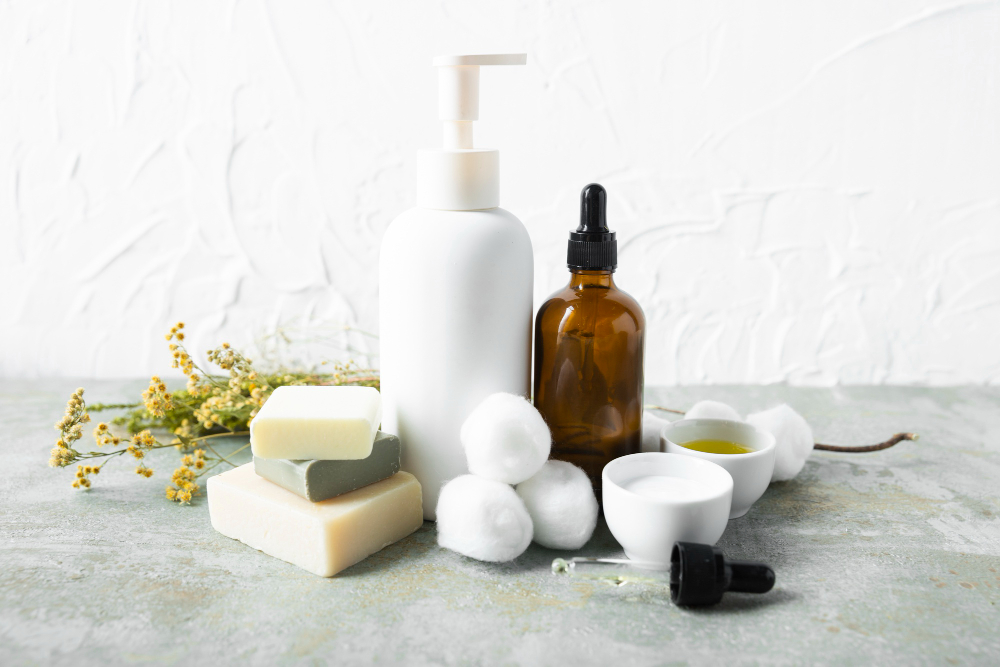

Consumers expect personal care products to be safe, effective, and consistent every time they make a purchase. Whether it is skincare, haircare, or body care, product quality directly influences customer trust and brand reputation. A single issue can affect consumer confidence and lead to costly setbacks. This is why quality control remains a critical part of the manufacturing process for modern personal care manufacturers.
The Foundation of Reliable Personal Care Products
Quality control serves as the backbone of successful product manufacturing. It helps ensure that every formulation meets safety, performance, and regulatory requirements before reaching consumers. Strong quality practices reduce risks, improve consistency, and support long-term brand growth in a highly competitive market today.
As consumer expectations continue to evolve, manufacturers must maintain dependable production standards. A structured quality control system strengthens accountability, supports operational efficiency, and helps brands consistently meet customer expectations across different product categories and market segments.
Consistent Product Performance
Products should deliver the same experience with every use. Quality control procedures help maintain formulation accuracy, texture, fragrance, and appearance, ensuring customers receive reliable results across every batch produced.
Enhanced Consumer Safety
Safety testing identifies potential concerns before products reach the market. Thorough inspections and evaluations help reduce contamination risks and ensure compliance with established safety standards.
Stronger Brand Reputation
Consumers quickly notice inconsistencies in personal care products. Maintaining strict quality standards helps brands build credibility, strengthen customer loyalty, and encourage positive word-of-mouth recommendations over time.
Regulatory Compliance Support
Manufacturers must follow industry regulations and documentation requirements. Effective quality control processes help verify compliance, reducing the likelihood of recalls, penalties, or distribution challenges.
Reduced Manufacturing Waste
Detecting issues early prevents defective products from progressing through production. This approach minimizes material waste, lowers operational costs, and improves overall manufacturing efficiency.
Key Areas Where Quality Control Makes a Difference
Raw Material Verification
Every finished product begins with carefully selected ingredients. Evaluating raw materials before production helps confirm they meet required specifications and quality benchmarks consistently.
Ingredient verification also reduces the risk of contamination and variability. Reliable sourcing practices contribute to safer formulations and support dependable manufacturing outcomes for brands.
Formula Consistency
Maintaining formulation consistency is essential for customer satisfaction. Quality control teams monitor ingredient measurements and production processes to ensure uniformity throughout manufacturing operations.
When formulations remain consistent, consumers experience predictable results. This reliability strengthens trust and helps brands maintain positive market recognition over extended periods.
Small variations in ingredient concentrations can influence product texture, scent, color, and performance. Careful monitoring helps ensure that every batch meets established quality expectations and specifications.
Manufacturing Process Monitoring
Production environments require continuous oversight to prevent errors. Monitoring equipment, procedures, and operational conditions helps maintain product integrity during every manufacturing stage.
Effective process monitoring allows manufacturers to identify deviations quickly. Early corrective actions reduce disruptions and improve overall production efficiency and product quality.
Standardized procedures and scheduled quality checkpoints help maintain consistency throughout production. These measures support process accuracy while encouraging continuous improvement across manufacturing operations.
Microbiological Testing
Personal care products can be vulnerable to microbial contamination. Comprehensive microbiological testing helps detect unwanted organisms that may compromise product safety and stability.
Routine testing protects consumers while supporting regulatory compliance. These evaluations help ensure products remain safe throughout their intended shelf life and usage period.
Testing is particularly important for products containing water-based ingredients. Preventive quality measures help maintain formulation stability and reduce contamination risks during storage and distribution.
Packaging Quality Assessment
Packaging plays an important role in protecting personal care products. Quality assessments help confirm containers, closures, and labeling meet performance and durability requirements.
Reliable packaging helps preserve product integrity during transportation and storage. It also contributes to a positive consumer experience and strengthens brand presentation.
Packaging quality can directly affect customer satisfaction. Leaks, damaged containers, or labeling issues may create negative impressions even when the product itself performs effectively.
Stability and Shelf-Life Testing
Products must remain effective throughout their expected lifespan. Stability testing evaluates how formulations perform under various environmental conditions over time.
These assessments help determine expiration dates and storage recommendations. Accurate shelf-life information supports consumer confidence and reduces the likelihood of product performance issues.
Manufacturers use testing data to understand how products respond to heat, humidity, and light exposure. This information helps support long-term product reliability and effectiveness.
Final Product Inspection
Before distribution, finished products undergo detailed inspections. These evaluations verify appearance, labeling accuracy, packaging condition, and overall product compliance with established standards.
Comprehensive final inspections provide an additional layer of protection. This step helps ensure only high-quality products reach retailers, distributors, and end consumers. Many personal care manufacturers rely on these inspections to maintain consistent standards.
Final reviews also help identify issues that may have been overlooked during production. Addressing concerns before shipment helps protect brand reputation and customer satisfaction.
Conclusion
Quality control plays a vital role in ensuring personal care products remain safe, effective, and consistent. From ingredient sourcing to final inspections, every stage contributes to product reliability and customer confidence. Strong quality standards also support regulatory compliance, operational efficiency, and long-term brand growth. ViSona LLC understands the importance of maintaining rigorous manufacturing practices that help businesses deliver dependable products while meeting evolving market expectations successfully.