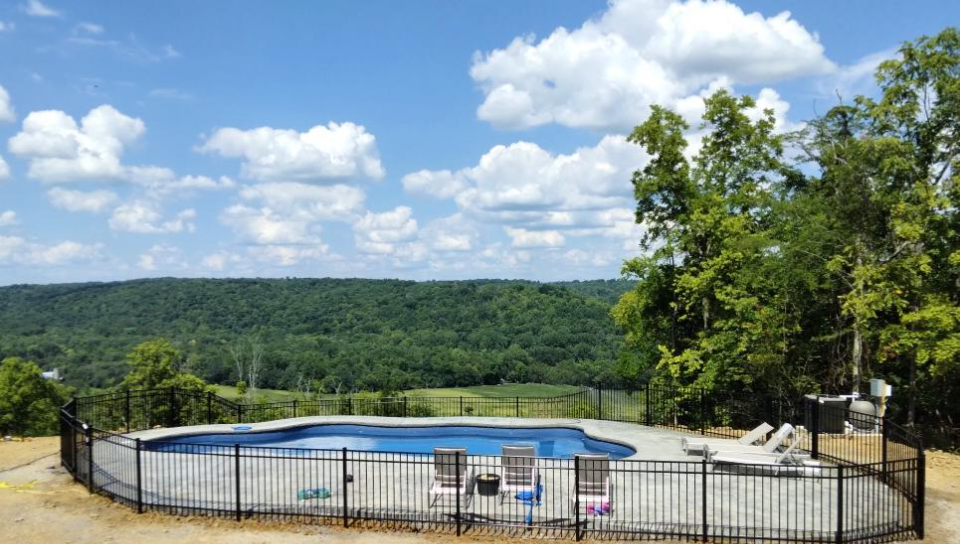

Pool ownership comes with responsibility, and one of the most critical aspects is ensuring safety. Pool fence installation is not just an optional upgrade; it’s a necessity. Whether you own a residential or commercial pool, installing a proper fence helps prevent accidents, enhances privacy, and ensures compliance with local regulations.
Drowning remains one of the leading causes of accidental injury, especially among children. A properly installed pool fence serves as the primary barrier, limiting unsupervised access and providing homeowners with peace of mind. Beyond safety, it also adds a layer of sophistication and can even boost property value.
In this comprehensive guide, we’ll explore everything you need to know about pool fence installation, from types and materials to legal requirements and maintenance tips.
Understanding Pool Fence Installation Requirements
Before starting your pool fence installation, it’s important to understand the legal requirements in your area. Regulations may vary, but most jurisdictions require:
- A minimum fence height (typically 4–5 feet)
- Self-closing and self-latching gates
- Gaps small enough to prevent children from slipping through
- Non-climbable design features
Failing to comply with these regulations can result in fines or legal issues. More importantly, it can put lives at risk. Always consult local codes or work with professional installers who understand compliance standards.
Types of Pool Fences to Consider
Choosing the right type of fence is a crucial step in pool fence installation. Each option offers unique benefits depending on your needs, budget, and aesthetic preferences.
1. Aluminum Pool Fences
Aluminum fences are a popular choice due to their durability and sleek design. They are rust-resistant and require minimal maintenance, making them ideal for long-term use.
2. Glass Pool Fences
If you want an unobstructed view of your pool area, glass fencing is an excellent option. It offers a modern look while maintaining safety. However, it may require more frequent cleaning.
3. Mesh Pool Fences
Mesh fences are lightweight, removable, and cost-effective. They are especially popular for families with young children because they provide flexibility without compromising safety.
4. Wood Pool Fences
Wood fences offer privacy and a natural aesthetic. While they are visually appealing, they may require regular maintenance to prevent wear and tear from moisture.
Each of these options can be customized to suit your property, making pool fence installation both functional and visually appealing.
Key Benefits of Pool Fence Installation
Investing in pool fence installation offers numerous advantages beyond just safety.
Enhanced Safety
The primary benefit is preventing unauthorized or accidental access to the pool area, particularly by children and pets.
Increased Property Value
A well-designed fence can enhance curb appeal and increase the overall value of your property.
Privacy and Security
Fences create a private space where you can relax without worrying about prying eyes.
Legal Compliance
Meeting safety regulations protects you from potential liabilities and fines.
Steps Involved in Pool Fence Installation
Understanding the process of pool fence installation can help you plan effectively and ensure a smooth experience.
1. Planning and Design
Start by assessing your pool area and deciding on the type of fence that suits your needs. Consider factors like terrain, layout, and aesthetics.
2. Measuring the Area
Accurate measurements are crucial for a proper fit. This step ensures that materials are used efficiently and the fence provides complete coverage.
3. Choosing Materials
Select materials based on durability, maintenance requirements, and budget. Each material offers different levels of strength and visual appeal.
4. Installation
This involves setting posts, attaching panels, and installing gates. Professional installers ensure that everything is aligned and secure.
5. Final Inspection
After installation, inspect the fence to ensure it meets safety standards and functions properly.
Working with experienced professionals can make pool fence installation faster and more reliable.
DIY vs. Professional Pool Fence Installation
Many homeowners wonder whether to tackle pool fence installation themselves or hire professionals.
DIY Installation
- Cost-effective
- Suitable for simple designs
- Requires tools and technical knowledge
Professional Installation
- Ensures compliance with regulations
- Saves time and effort
- Offers higher quality and durability
While DIY may seem appealing, professional pool fence installation is often the safer and more efficient choice, especially for complex layouts.
Maintenance Tips for Your Pool Fence
Once your pool fence installation is complete, regular maintenance is essential to keep it in top condition.
- Inspect regularly for loose panels or damaged parts
- Clean surfaces to prevent buildup of dirt or algae
- Check gate mechanisms to ensure they close and latch properly
- Repaint or reseal materials like wood to protect against weather damage
Proper maintenance not only extends the lifespan of your fence but also ensures ongoing safety.
Cost of Pool Fence Installation
The cost of pool fence installation can vary depending on several factors:
- Type of material (glass tends to be more expensive than mesh or aluminum)
- Size of the pool area
- Labor costs
- Custom design features
On average, homeowners can expect to spend anywhere from a few hundred to several thousand dollars. While it may seem like a significant investment, the safety and value it provides make it worthwhile.
Choosing the Right Pool Fence Installer
Selecting the right contractor is just as important as choosing the fence itself. Look for:
- Experience in pool fence installation
- Positive customer reviews
- Knowledge of local regulations
- Transparent pricing and warranties
A reputable installer will guide you through the entire process, ensuring your fence meets both safety and aesthetic expectations.
Common Mistakes to Avoid
To get the most out of your pool fence installation, avoid these common pitfalls:
- Ignoring local safety codes
- Choosing style over safety
- Improper gate installation
- Skipping regular maintenance
Avoiding these mistakes will help you maximize the effectiveness and longevity of your fence.
Conclusion
Pool fence installation is a vital investment for any pool owner. It goes beyond aesthetics, playing a crucial role in safety, compliance, and property value. By choosing the right materials, understanding regulations, and working with experienced professionals like R&M Fence, you can create a secure and stylish pool environment.
Whether you’re installing a new fence or upgrading an existing one, taking the time to plan and execute properly will ensure long-term benefits. A well-installed pool fence not only protects your loved ones but also enhances your outdoor living space for years to come, with the trusted expertise of R&M Fence.